
BEFORE YOU MOVE
Visiting Hawaii
Everyone visits Hawaii as a tourist first. The smart ones come back as scouts. A real scouting trip - focused on daily life, not sunsets - is the difference between a dream move and a $30,000 mistake.
Your vacation lied to you
Nearly 10 million visitors came to Hawaii in 2025, spending $21.75 billion. Most left thinking they knew the islands. They don't. Resort pools, guided tours, and beachside mai tais have nothing to do with actual daily life here.
A scouting trip is different. You stay in a residential neighborhood, not Waikiki. You grocery shop at Safeway and compare prices. You drive the commute at 7 AM. You eat at a plate lunch spot, not a resort restaurant. You check school ratings and open houses. You talk to someone who lives here about what keeps them up at night.
This page covers both sides: the practical information every visitor needs (flights, costs, timing) and the scouting trip framework that separates people who move successfully from those who return to the mainland within 18 months.
Visiting Hawaii at a glance
The numbers that shape your trip planning. Updated for 2026.
Scouting trip now, move later? Get the Living in Hawaii newsletter and keep the research going after you fly home.
Get the newsletterHow to run a scouting trip
The relocation scouting trip is the most important thing you'll do before committing to a move. Here's how to do it right.
The daily life audit
Forget the tourist itinerary. Your scouting trip is a simulation of what living here actually feels like.
- Stay in a residential neighborhood - rent an Airbnb or VRBO in the areas you're considering, not the resort zone
- Grocery shop at Safeway, Foodland, and Costco - compare prices to what you pay at home. Write down the numbers
- Drive the commute - at 7 AM, not 10 AM. Experience real traffic on the H-1, not empty Sunday roads
- Visit open houses - get a feel for what your budget actually buys in different neighborhoods
- Check cell reception and internet speed - test from the specific neighborhood you're considering, not the hotel
- Eat where locals eat - plate lunch spots, farmers' markets, local diners. Skip the resort restaurants
The scouting checklist
Cross these off before you fly home. Missing any of them means you're guessing.
- Drove the commute during rush hour (both directions)
- Compared grocery prices at 2-3 stores
- Visited at least 3 open houses or rental listings
- Checked school ratings and visited campuses (if you have kids)
- Spoke to at least 2 residents about daily life challenges
- Tested internet speed from the neighborhood you'd live in
- Visited the nearest hospital/urgent care and pharmacy
- Explored the closest beach, park, and hiking trail
- Experienced a rainy day (windward side) and a dry day (leeward side)
- Used the Hawaii Quiz to gut-check your fit
When to go (and when to avoid)
Timing affects everything: prices, crowds, weather, and how representative your experience is.
- Best for scouting: Late April-May or September-October. Shoulder season pricing, fewer tourists, weather is representative
- Avoid: Christmas-New Year and June-August. Prices peak, everything is crowded, and it doesn't reflect normal daily life
- Wet season (Nov-Apr): Brings more rain to windward sides. Good for testing whether you can handle it
- Dry season (May-Oct): Warmer, less rain. Most people visit during this period, so it's the busiest
- Trip length: 10-14 days minimum per island you're seriously considering. 7 days is a vacation, not a scouting trip
Visiting each island
Each island offers a fundamentally different experience. Scout the one that matches how you actually want to live.
Oahu
The most accessible island and where ~70% of Hawaii's population lives. If career and infrastructure matter, this is your starting point.
- Scout these neighborhoods: Kailua, Kapolei/Ewa Beach, Mililani, Kaimuki, Manoa, Kakaako
- Don't miss: The H-1 commute at rush hour (brutal), Chinatown farmers' market prices, Ala Moana vs. Costco pricing
- Fly into: Daniel K. Inouye International (HNL) - direct flights from most mainland hubs
- Getting around: Rental car essential for scouting. TheBus is useful in town but slow for commuting
Maui
Natural beauty, post-fire rebuilding energy, and a smaller-town feel with decent infrastructure.
- Scout these areas: Kihei (South Maui), Upcountry (Makawao, Pukalani, Kula), Kahului/Wailuku
- Don't miss: Upcountry elevation and temperature drop, Lahaina recovery status, South Maui wind and dust
- Fly into: Kahului Airport (OGG) - direct from West Coast cities
- Note: Maui's rebuild is ongoing. The community is resilient but housing inventory is tight
Big Island (Hawaii Island)
The most affordable, most spacious, and most self-sufficient island. Also the least developed.
- Scout these areas: Kailua-Kona, Waimea (Kamuela), Hilo, Hawaiian Ocean View (budget)
- Don't miss: Lava zone maps, water catchment reality in Puna, the 45-minute drive between Kona and Waimea
- Fly into: Kona International (KOA) or Hilo International (ITO) - these are different sides of the island
- Note: The Big Island has the most land and lowest prices but infrastructure gaps are real
Kauai
The quietest, most nature-focused island. Beautiful and remote - with the smallest job market and fewest services.
- Scout these areas: Kapaa (east side), Lihue (services hub), Poipu (south shore), Princeville (north shore - expensive)
- Don't miss: The one-lane bridges and traffic bottlenecks, limited shopping options, the quiet after 8 PM
- Fly into: Lihue Airport (LIH) - fewer direct mainland flights than Oahu or Maui
- Note: Kauai is special but demands serious self-sufficiency. Not ideal for first-time Hawaii movers
What a trip to Hawaii actually costs
A realistic budget for both a standard vacation and a relocation scouting trip.
Vacation budget (7-day, couple)
What most mainland visitors spend on a standard Hawaii vacation.
- Flights: $600-$1,800 roundtrip for two (varies by origin)
- Hotel: $250-$500/night (mid-range). $700+/night (resort). Budget for $2,100-$3,500 for 7 nights
- Rental car: $280-$700/week depending on season and island
- Food: $100-$200/day for two (mix of restaurants and grocery runs)
- Activities: $200-$600 total (snorkeling, boat tour, zip line, luau)
- Total range: $4,000-$8,000+ for a couple for one week
Scouting trip budget (10-14 days, solo/couple)
A scouting trip is cheaper than a vacation because you're living like a resident, not a tourist.
- Flights: Same as above. Book shoulder season for best rates
- Accommodation: $100-$200/night for a residential Airbnb/VRBO. Budget $1,400-$2,800 for 14 nights
- Rental car: Essential. $400-$900 for two weeks
- Food: $50-$100/day (heavy on grocery runs and local spots)
- Activities: Minimal - your "activity" is neighborhood research, open houses, and commute testing. Budget $100-$200
- Total range: $2,500-$5,500 for 10-14 days. Money extremely well spent compared to the cost of a failed move
Money-saving tips
How locals and seasoned visitors keep costs down.
- Fly midweek (Tues-Thurs) for the lowest fares
- Use credit card points - Hawaii routes are popular award redemptions
- Book rental cars directly through Costco Travel or AutoSlash for better rates
- Stay in Airbnbs with kitchens and cook most meals at home
- Hit the farmers' markets for cheap, fresh local produce
- Skip the luau and resort restaurants - plate lunches are $12-$15 and better
- Inter-island flights are cheapest booked 3-4 weeks out
From visitor to resident
If your scouting trip confirms the move, these are the next steps.
Before you leave the island
- Lock in your target neighborhood and price range
- Connect with a local real estate agent for rental or purchase guidance
- Start the job search or confirm your remote work arrangement
- Research shipping options (car, household goods) and get quotes
- If you have pets, begin the Hawaii pet quarantine process immediately - it takes months
Use our tools
- Hawaii Quiz - a lifestyle fit assessment that gut-checks whether island life matches your personality
- Moving Cost Estimator - builds a personalized relocation budget based on your situation
- Moving to Hawaii pillar - the complete logistics guide for the actual move
- Cost of Living pillar - detailed expense breakdowns for every budget category
- Find Me a Home - connect with our Hawaii real estate team for personalized guidance
Essential visitor and scouting guides
Deep-dive articles for planning your trip and making the transition.
Start browsing Hawaii homes
Get a feel for prices and inventory before your scouting trip. Knowledge is leverage.
Frequently asked questions about visiting Hawaii
Planning questions answered with relocation context baked in.
When is the best time to visit Hawaii?
For a vacation: anytime - Hawaii's weather is warm year-round (78-85°F at sea level). For a scouting trip: shoulder seasons (late April-May or September-October) offer the best combination of realistic conditions, lower prices, and fewer crowds. Avoid Christmas through New Year and June-August if you want to see what daily life is actually like without peak-season distortion.
How much does a trip to Hawaii cost?
A 7-day vacation for a couple typically runs $4,000-$8,000+ including flights, hotel, rental car, food, and activities. A 10-14 day scouting trip focused on residential neighborhoods (Airbnb, grocery runs, minimal tourist activities) can cost $2,500-$5,500. The scouting trip is one of the best investments you'll make before committing to a relocation that costs $15,000-$30,000+.
Do I need a rental car in Hawaii?
For a scouting trip: absolutely yes. You need to drive the commutes, explore neighborhoods, and test real distances. For a vacation: it depends on the island. On Oahu, you can get by with TheBus, rideshares, and Biki bikes if you're staying in Waikiki/Honolulu. On Maui, Big Island, and Kauai, a rental car is essentially mandatory - public transit is minimal and rideshare coverage is spotty.
Which Hawaiian island should I visit first?
For a first-time scouting trip: Oahu. It has the most jobs, best infrastructure, most neighborhoods to compare, and is the easiest island to get a realistic sense of daily life. Most first-time relocators start on Oahu and then island-hop later once they understand how Hawaii works. If you're specifically interested in rural/self-sufficient living, the Big Island is worth scouting early.
How long should a scouting trip be?
Minimum 10 days for one island, 14+ days if you're comparing two islands. Seven days feels like enough but it's not - you need time for the novelty to wear off so you can evaluate the place with clear eyes. The first 3-4 days are still vacation mode. Real assessment starts around day 5-7. Budget enough time to experience a weekday routine, a rainy day, a grocery run, and at least one boring evening at "home."
What should I do differently on a scouting trip vs. a vacation?
Everything. Stay in a residential neighborhood instead of a resort. Cook meals instead of dining out. Drive during rush hour instead of midday. Visit a grocery store instead of a surf lesson. Attend an open house instead of a luau. Check school ratings instead of TripAdvisor reviews. The goal is to simulate daily life accurately, not to have fun - though you'll probably still have fun. Use our Hawaii Quiz and Moving Cost Estimator before you go to frame your priorities.
Is island hopping worth it?
For a vacation: yes, it's a great way to see the diversity of Hawaii. Inter-island flights are $80-$150 roundtrip and take 30-45 minutes. For a scouting trip: only if you have 14+ days. Splitting a short trip across multiple islands means you don't spend enough time anywhere to get a real sense of daily life. Better to go deep on one island than shallow on three.
What surprises first-time visitors most about Hawaii?
The prices. Everything costs more than you expect - gas, groceries, parking, restaurants. A gallon of milk can be $7+. Gas is $5.65/gallon. A basic plate lunch is $12-$18. Beyond cost, visitors are often surprised by how different each island feels, how early everything closes (most restaurants by 9-10 PM), and how genuinely multicultural the population is - Hawaii has no racial majority and the cultural norms are Pacific Islander and Asian, not Western European.
Latest on visiting Hawaii
Travel tips, scouting trip reports, and island-by-island guides from people who know the ground.
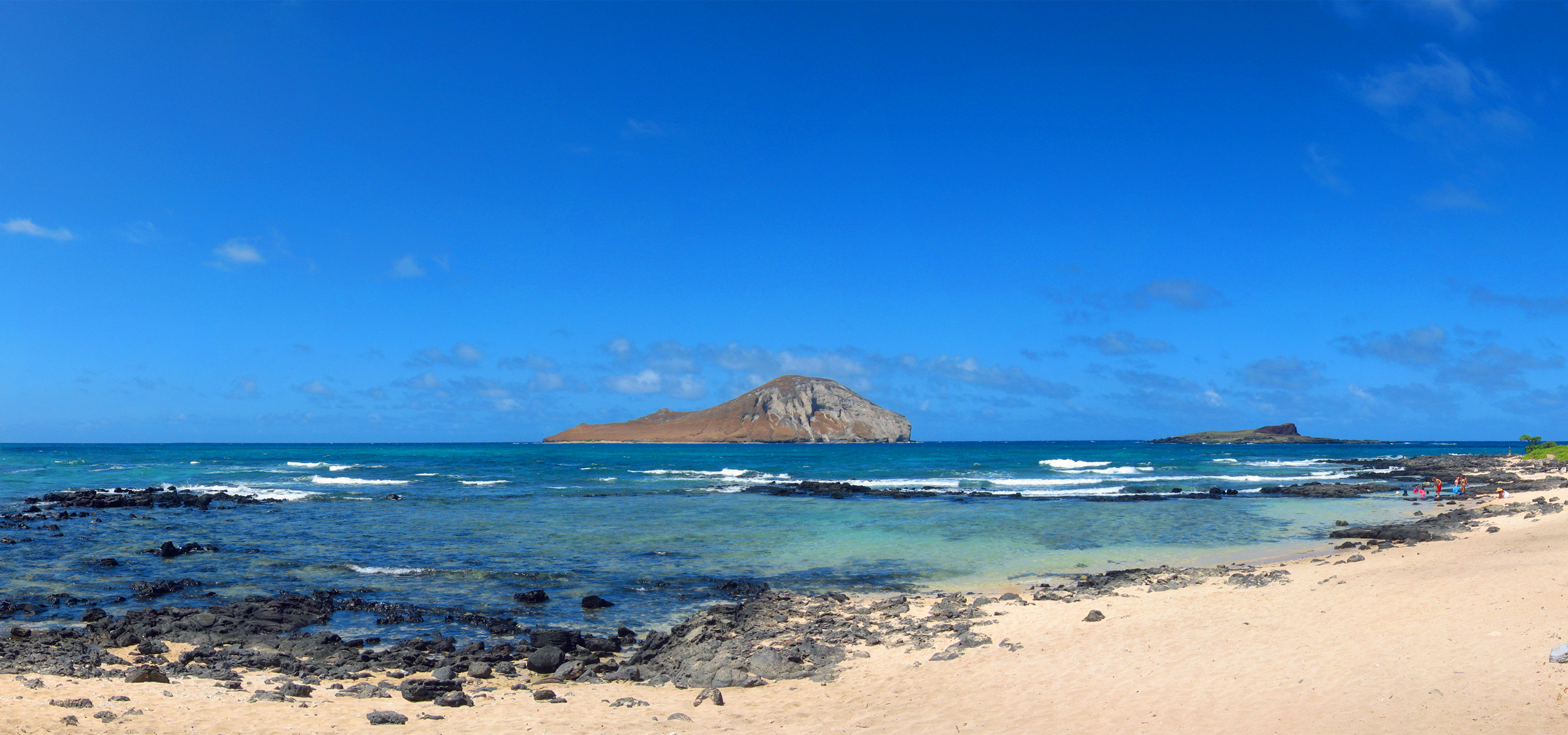
Best place to live on Oahu by the beach
Everyone dreams of living near a beach, right? Find out [...]

Korean family wants to live in Hawaii for 9-12 months
I love the interesting emails I get from website visitors. [...]

Mini-Crouching Lion and Lanikai Pillbox hikes online
Our native-born hiker/writer Aina Kay just posted 2 new hikes [...]
Olomana and Hanauma Bay Hikes now online
Our Awesome hiker Aina (yes, that's her real first name, [...]
Great Oahu Hikes Posted
We're happy to announce that we've added a few new [...]

Active lava flow in Hawaii: 4 reasons to see it
Right now (July 2016) there's a precious moment going on [...]
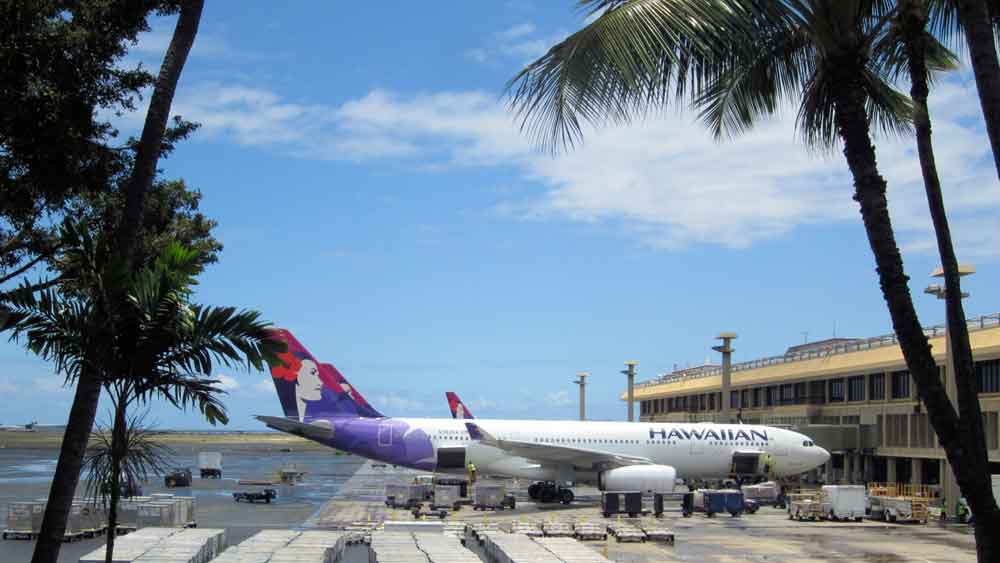
How to fly from Hawaii to Japan on Hawaiian Airlines and land in the morning
Old way: fly from Hawaii to Japan and land at [...]

Makaha snorkeler in extremely critical condition
Be careful when in Hawaiian waters! Hawaii is a deceptively [...]
Makapuu Beach Park, Oahu Island, Honolulu, Hawaii
Looking left from Makapu'u Beach toward Rabbit Island on [...]