
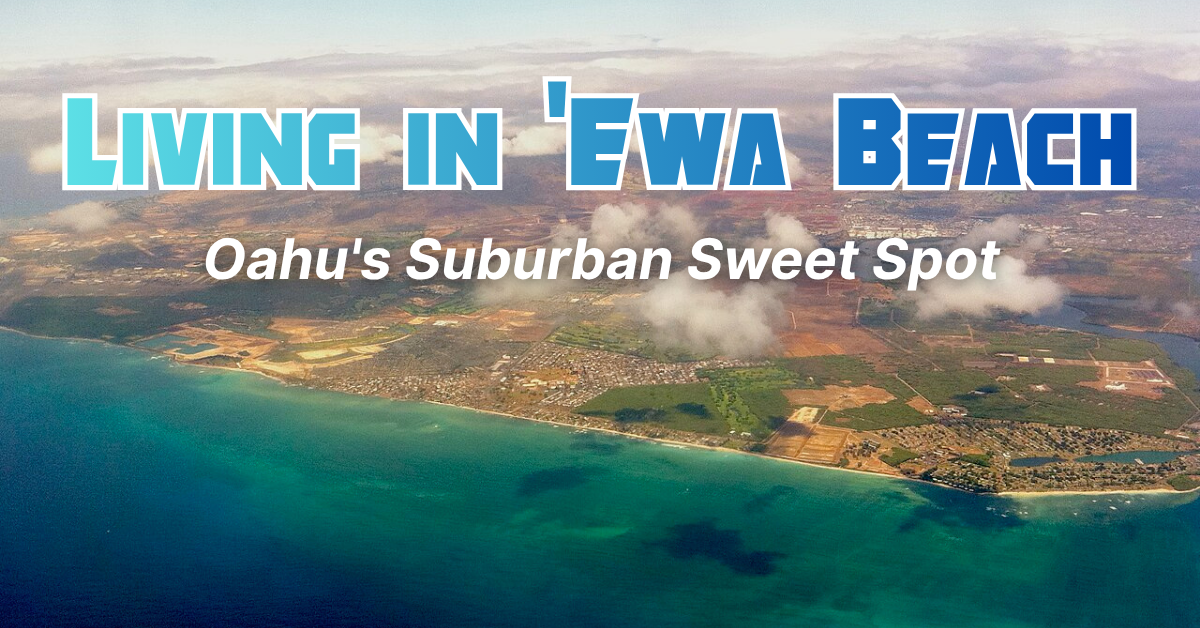
Living in ‘Ewa Beach: Oahu’s Suburban Sweet Spot
There’s this moment that happens when you’re house hunting on Oahu. You’ve looked at places in town, maybe ventured out to Kailua or Hawaii Kai, and then someone casually mentions ʻEwa Beach. Your first thought might be, “Where the hell is that?” followed quickly by a peek at Google Maps that makes you realize just how far west you’d be going.
But here’s the thing about ʻEwa Beach that a lot of people don’t get until they actually spend time there: it’s not just some distant suburb where dreams of island living go to die in traffic. It’s become something of a second city on Oahu, with its own identity, rhythm, and honestly, some pretty compelling reasons to call it home.
Let me break down what living in ʻEwa Beach actually looks like, because the decision to move here isn’t just about finding affordable housing. It’s about deciding what kind of Hawaii life you want to live.
The Master-Planned Community Reality
ʻEwa Beach isn’t your typical Hawaii neighborhood that grew organically over generations. This is intentional development at work, which comes with both serious advantages and a few trade-offs you should know about.
Walk through communities like Ocean Pointe, Ewa by Gentry, or the newer Ho’opili development, and you’ll notice something immediately: everything feels planned. Parks are strategically placed. Shopping centers are conveniently located. Schools are built into the fabric of the community. There’s a logic to it all that you don’t always find in older Hawaii neighborhoods where things just kind of happened over time.
For families, this master-planned approach is actually pretty great. You’ve got playgrounds within walking distance, elementary schools that don’t require a death-defying drive down a narrow mountain road, and neighbors who are often in the same boat as you—trying to make island life work on a mainland-ish budget.
The newer homes here come with actual yards, central AC (trust me, you’ll want this on the west side), and modern floor plans that don’t feel like you’re living in your grandparents’ plantation house. There’s something refreshing about having a garage that can actually fit your car, closets that can hold more than three shirts, and kitchens where you can open the refrigerator door without blocking the entire walkway.
If you’re curious about what’s actually available in these different ʻEwa Beach communities right now, browsing current listings gives you a real sense of what your money can buy in each neighborhood. The variation between communities can be surprising—some are definitely more established while others are still finding their footing.
But that master-planned vibe also means things can feel a bit… uniform. The houses sometimes look similar. The landscaping follows patterns. You won’t find the quirky, organic character of older neighborhoods where every house tells its own story. Some people love the consistency; others find it sterile. It really depends on what you’re looking for in a community.
The Beach Situation (Yes, There Actually Are Beaches)
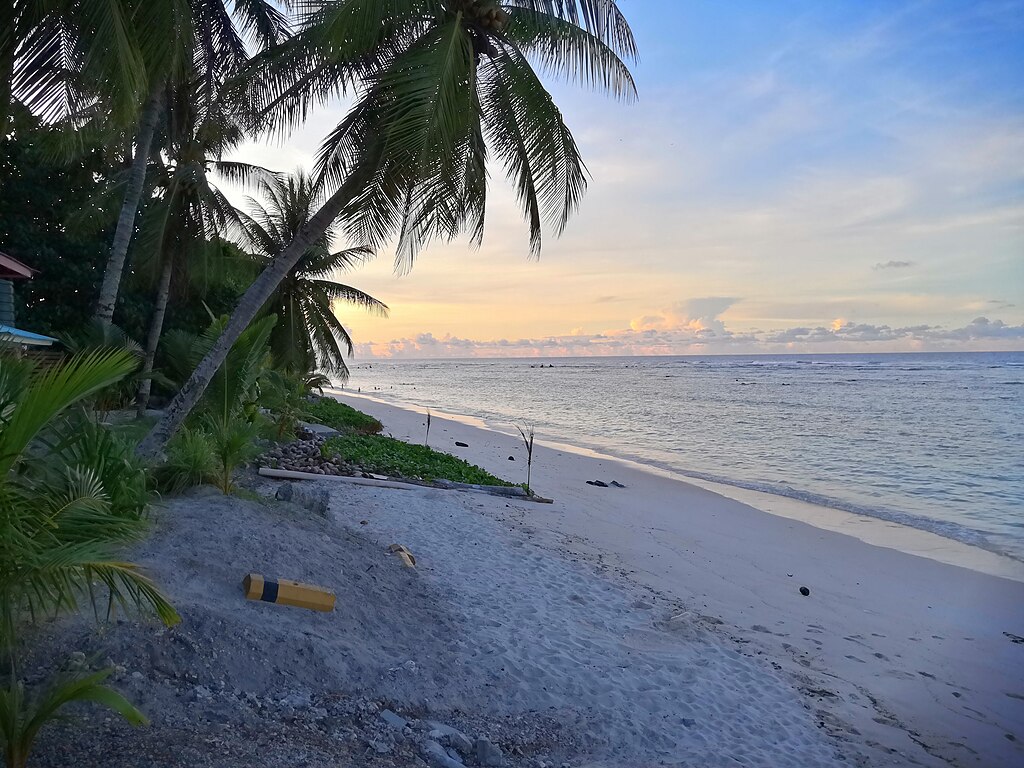
Despite the name, a lot of people assume ʻEwa Beach doesn’t have great beach access. Plot twist: there are actually some solid beach options here, though they fly under the radar compared to the famous North Shore spots or Waikiki.
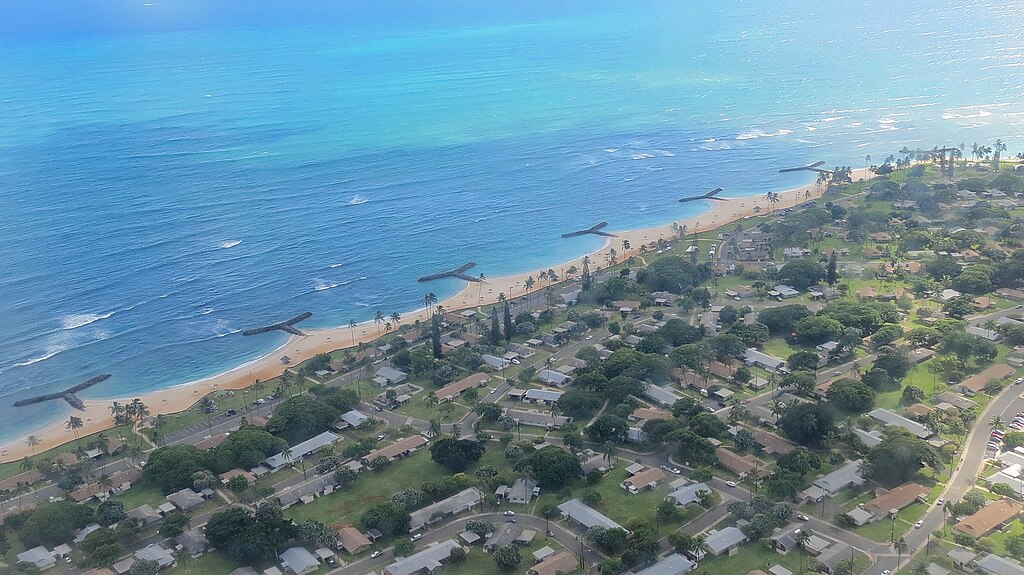
Bob Linsdell, CC BY 3.0
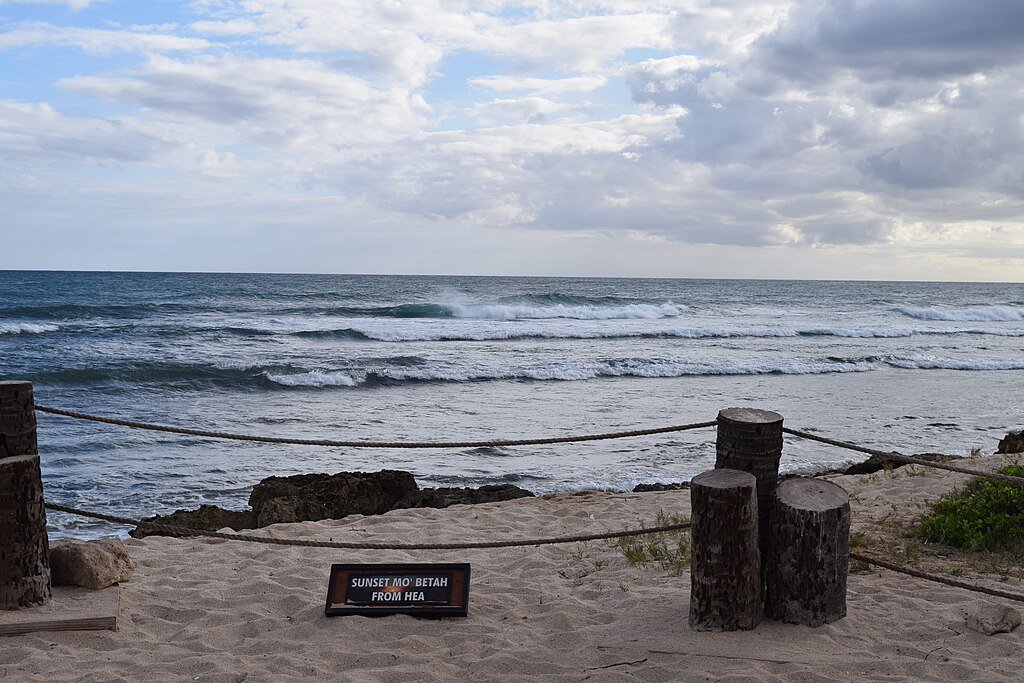
One’ula Beach Park is probably the most well-known, and it’s got that local feel you’re looking for if you want to escape the tourist crowds. The water can be a bit murky compared to the clearer shores on the east side, but for a casual swim, some fishing, or just letting the kids play in the sand, it does the job. The sunsets here are absolutely ridiculous—watching the sun drop into the Pacific from this vantage point never gets old.
White Plains Beach (Kalaeloa Beach) is another spot worth knowing about. It’s actually on the nearby base, but it’s open to the public. The sand is nice, there’s decent surf when conditions are right, and it tends to be less crowded than the famous town beaches. On a good day, it feels like you’ve found your own little slice of Hawaii that hasn’t been Instagrammed to death.
The reality is that ʻEwa Beach won’t compete with Lanikai or Kailua when it comes to those postcard-perfect, crystal-clear waters. But if you’re living here, you’re also just a reasonable drive from pretty much any beach on the island. Want North Shore surf? It’s doable on a weekend morning. Hanauma Bay calling your name? You can get there. Living in ʻEwa Beach doesn’t mean you’re stuck with only these beaches—it means these are your convenient, everyday options, with the rest of the island still accessible.
The Commute: Let’s Talk About the Elephant in the Room
Okay, we need to have a real conversation about the commute, because this is the biggest thing people worry about when considering ʻEwa Beach.
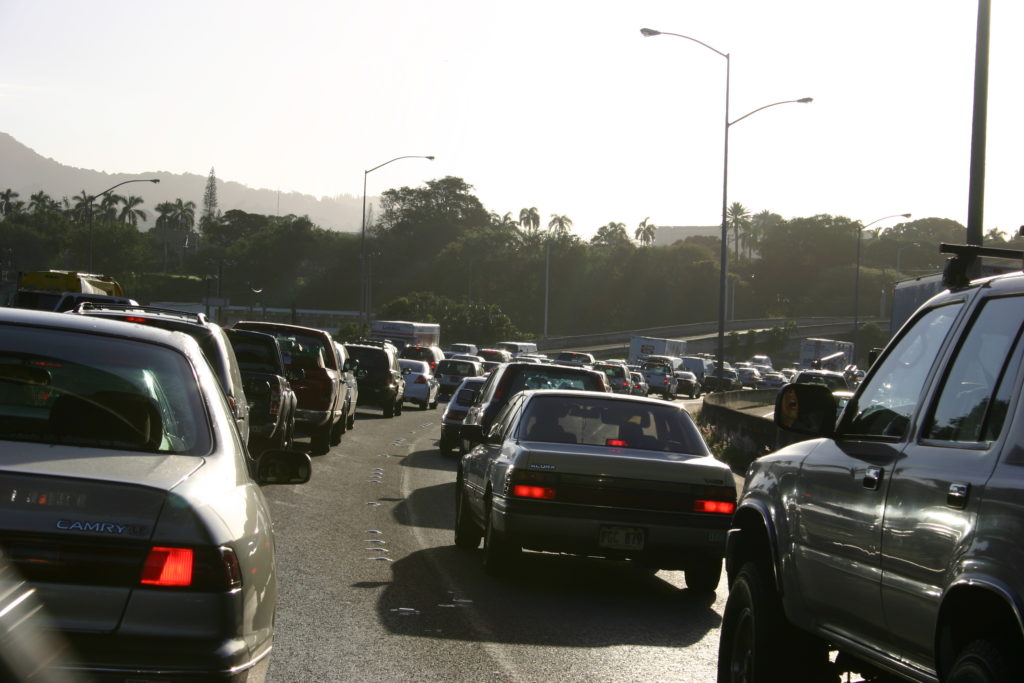
IMG 0019 by Sun Brockie is licensed under CC BY-NC-ND 2.0. Image may have been resized or cropped from original.
If you work in town—Honolulu, downtown, Waikiki area—your commute is going to be significant. We’re talking 45 minutes to an hour on a good day, and closer to 90 minutes when traffic is being particularly cruel. The H-1 freeway heading east in the morning is no joke, and coming back west in the evening is its own special kind of punishment.
The rail transit project promises to eventually connect ʻEwa Beach to town, which could be a total game-changer for commuters. But let’s be honest about where that project stands—it’s been plagued with delays and budget issues. Banking your decision entirely on the rail being operational soon might leave you disappointed. When (if?) it does open, it should help considerably, but you can’t live your life on “eventually.”
Here’s what I’ve learned from people who make this commute work: flexibility is everything. If your job allows you to start early or late to avoid peak traffic, that makes a massive difference. Remote work options, even a few days a week, can turn a brutal daily grind into something manageable. Some people carpool, which helps with the cost and lets you use the HOV lane. Others have found jobs on the west side or in Kapolei, which completely eliminates the problem.
The commute is real, and I won’t sugarcoat it—it can be exhausting. But plenty of people do it and find that the trade-offs (more house for your money, better community for families, newer infrastructure) make it worthwhile. You just need to be honest with yourself about whether you’re up for it.
The Family Factor: Why ʻEwa Beach Works for Kids
If you’re moving to Hawaii with kids, ʻEwa Beach deserves a serious look. The schools in the area have been getting better as the community has grown, and you’ve got options like ʻEwa Elementary, ʻEwa Makai Middle School, and Campbell High School. There are also some newer charter schools popping up that give families more choices.
The neighborhood parks are actually maintained and safe, which matters when you’re trying to find places for your kids to burn off energy. Soccer fields, basketball courts, skateparks—there’s infrastructure here that’s designed with families in mind. You won’t feel like you’re raising kids in isolation out in the middle of nowhere.
Shopping and services have improved dramatically as the area has developed. There’s a Target, Costco, grocery stores, restaurants, and even a movie theater within reasonable distance. You’re not driving to town every time you need to pick up basics or want to grab dinner. That convenience factor makes daily life with kids so much easier.
The community itself tends to skew younger, with a lot of families in similar situations—working parents, school-age kids, trying to make the Hawaii dream work on a realistic budget. There’s a sense of being in it together that can be really valuable when you’re navigating island life.
The Cost Factor: What Your Money Gets You
Let’s talk dollars, because that’s often what brings people to ʻEwa Beach in the first place. The cost of housing here is significantly lower than what you’d pay for comparable space in town or on the windward side. We’re talking hundreds of thousands of dollars in difference for a single-family home.
That financial breathing room matters. It might mean you can actually afford a yard for your dog, an extra bedroom for when family visits, or a garage to protect your car from the brutal sun. It might mean you’re not completely house-poor and can actually enjoy living in Hawaii instead of just surviving here.
When you’re comparing properties across the island, the difference becomes crystal clear. A three-bedroom, two-bath house with a yard in ʻEwa Beach might cost you what a two-bedroom condo in town would run—and that’s before you factor in HOA fees.
The trade-off is that commute time and distance from town activities. But if you run the numbers—factoring in mortgage differences, property taxes, and the general cost of living—a lot of families find that ʻEwa Beach makes the math work in a way that other areas simply don’t.
The Bottom Line: Is ʻEwa Beach Right for You?
ʻEwa Beach isn’t for everyone, and that’s totally fine. If you need to be in the middle of the action, close to nightlife, walking distance to restaurants, or you have a job that requires you to be in downtown Honolulu daily, this might not be your spot.
But if you’re looking for a family-friendly community with newer homes, actual space, and a more affordable entry point into Hawaii living, ʻEwa Beach delivers. It’s especially worth considering if you have flexibility in your work schedule, work remotely part-time, or have found employment on the west side.
The area is still growing and evolving. More amenities keep coming online. The community continues to mature. And yes, traffic remains a challenge, but it’s one that many people have decided is worth managing for the lifestyle trade-offs they get in return.
Think of ʻEwa Beach as a bet on what Oahu’s future looks like—less crowded than town, more affordable than the east side, with room to actually live rather than just squeeze into whatever space you can afford. It’s not the Hawaii of postcards and movies, but for a lot of families, it’s the Hawaii that actually works in real life.
And honestly? Once you’ve watched a few sunsets from White Plains Beach, with the kids playing in the sand and no traffic between you and home, you might just find that this “second city” feels exactly right.
If you’re seriously considering making the move to ʻEwa Beach, it’s worth talking to someone who knows the area inside and out—the different communities, which developments are actually delivering on their promises, and how to navigate the west side real estate market. The Agency Team Hawaii has deep experience in the ʻEwa Beach area and can help you figure out if this is the right fit for your family and budget. Because at the end of the day, choosing where to live in Hawaii is about more than just finding a house—it’s about finding your place in the islands.


Leave A Comment