
Living in Kaimukī: Old-School Charm Near Town
If you’re house hunting on Oahu and want that sweet spot between suburban quiet and urban convenience, Kaimukī deserves a serious look. This neighborhood doesn’t scream for attention like Waikiki or Kailua, but locals know it’s one of the best places to actually live on the island.
Kaimukī has this old-school Honolulu vibe that’s getting harder to find. The kind of place where you know your neighbors, where the same family has run the corner store for decades, and where you can walk to get damn good food without getting in your car. It’s not fancy, it’s not beachy, but it’s real—and for a lot of people, that’s exactly the appeal.
The Neighborhood Layout and Character
Kaimukī sits on the eastern side of Honolulu, tucked between Waikiki and Kahala. The neighborhood stretches roughly from Kapahulu Avenue on the west to Wilhelmina Rise on the east, and from the H-1 freeway up into the hillside. The heart of it all is Waialae Avenue, the main commercial strip that runs through the center.

Photo by Holly Cheng, CC BY-SA 3.0
The area developed mostly in the 1920s through 1940s, and you can see it in the architecture. Lots of single-wall construction homes, craftsman-style houses, and those classic Hawaii plantation-era buildings. The homes have character—high ceilings, hardwood floors, jalousie windows—but they also show their age. More on that in a minute.
What makes Kaimukī different from newer neighborhoods is the density and walkability. Houses sit on smaller lots, streets are narrower, and everything is closer together. Some people find it cramped compared to sprawling subdivisions in Ewa or Kapolei. Others love that they can walk to a dozen restaurants in ten minutes.
The neighborhood has a genuine mix of people. Longtime local families who’ve been here for generations, young professionals who want to be close to town, retirees who’ve downsized, and increasingly, mainland transplants who discovered Kaimukī and fell hard for it. It’s not as homogeneous as some Honolulu neighborhoods, and that diversity shows up in the culture and the food scene.
Walkability: One of Oahu’s Best
Let’s be honest—most of Oahu isn’t particularly walkable. You need a car for just about everything. Kaimukī is a notable exception.
The neighborhood gets a Walk Score in the mid-to-high 80s (out of 100), which puts it among the most walkable areas on the island. Walk Score can give you specifics for different addresses, but generally, if you live within a few blocks of Waialae Avenue, you can handle a lot of daily errands on foot.
There are three grocery stores within walking distance for most residents: Whole Foods on Kapahulu (technically Kapahulu neighborhood but right on the border), Safeway on Waialae, and a Times Supermarket just past Kaimukī on Waialae Avenue. The Times Supermarket has been there forever and carries a good mix of local products and Asian groceries.
You’ve also got a post office, banks, pharmacies, a library, dry cleaners, and various services all accessible without driving. The Kaimukī Library on Koko Head Avenue is actually a gem—quiet, good selection, and the staff knows the neighborhood.
For fitness, there’s a small park system including Kaimukī Community Park and the more substantial Crane Park up the hill. Serious hikers can hit the Wilhelmina Rise trails without driving anywhere. And if you want beach access, Waikiki is a 10-15 minute drive, and Kahala Beach is even closer.
The walkability isn’t perfect. Sidewalks can be narrow or nonexistent on some residential streets. Hills are real—if you live up toward Wilhelmina Rise, you’re earning your cardio every time you walk home with groceries. And Honolulu heat is no joke, so that pleasant walk in the morning becomes a sweaty trudge by afternoon.
But compared to most of Oahu? Kaimukī is a walker’s paradise.
The Food Scene: Why People Really Love Kaimukī
Okay, here’s where Kaimukī really shines. The concentration of quality restaurants in this neighborhood is honestly absurd for an area this size.
Waialae Avenue is basically a food crawl waiting to happen. You’ve got Town for breakfast and brunch (get there early or prepare to wait), Mud Hen Water for upscale local cuisine, Koko Head Cafe for solid American bistro fare, and Hale Vietnam for some of the best Vietnamese food on the island.
Via Gelato is a neighborhood institution—authentic Italian gelato that locals and tourists alike line up for.
You want Japanese? Brug Bakery for Japanese-Hawaiian fusion and pastries, craving Mexican? Los Chaparros serves up legit tacos. Pizza? J. Dolan’s has New York-style pies and a full bar.
The list keeps going, Diamond Head Market & Grill on Monsarrat (right on the edge of Kaimukī) for breakfast plates and local favorites. Koko Head Cafe for inventive brunch dishes with island ingredients.
The point is, you could eat out three times a week for months and not run out of new places to try. And these aren’t chains or tourist traps—they’re independently owned spots run by people who give a damn about the food.
The Hawaii Restaurant Association has a searchable directory if you want to explore more options, and Frolic Hawaii does great neighborhood food guides with current information.
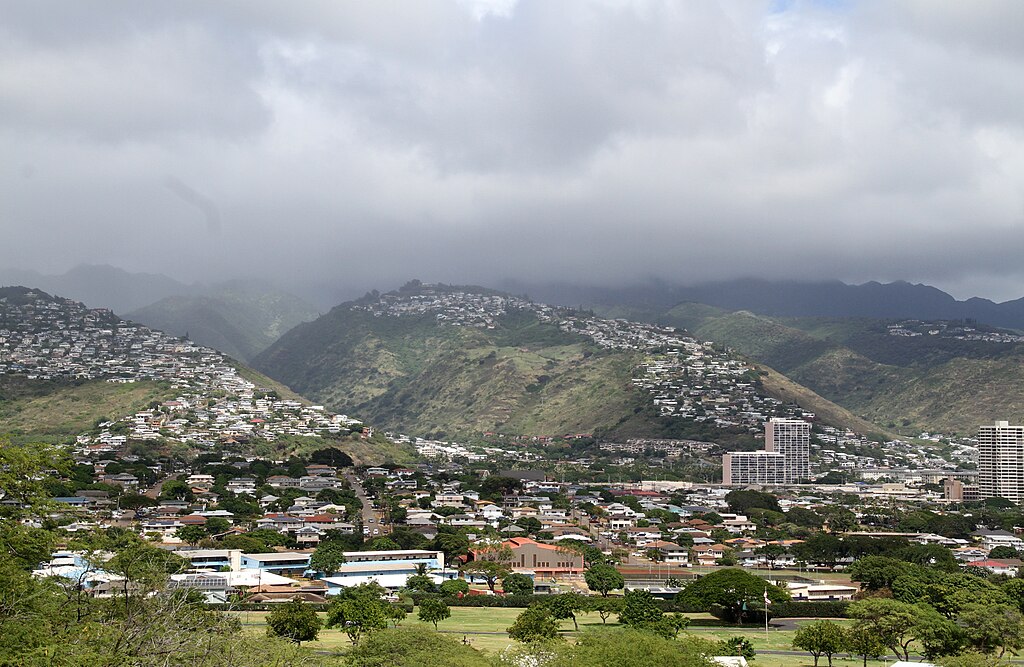
Photo by Tony Hisgett, CC BY 2.0
Housing: Character Over Cookie-Cutter
Now let’s talk about what it costs to live here and what you actually get for your money.
Housing in Kaimukī is predominantly single-family homes, with a mix of duplexes and a few low-rise apartment buildings. The condos that exist are mostly older walk-ups, not the high-rise towers you see in Waikiki or Kakaako.
Single-Family Homes: This is where most buyers focus. You’re typically looking at houses built between 1920 and 1960, sitting on lots of 3,000-6,000 square feet. The homes themselves usually range from 1,000 to 2,500 square feet, with 2-4 bedrooms.
Prices vary wildly based on condition, location, and lot size. As of late 2025, you’re generally looking at:
- Fixer-uppers or homes needing significant work: $800,000-1,000,000
- Move-in ready but dated: $1,000,000-1,300,000
- Renovated or premium location: $1,300,000-1,800,000+
Yes, those prices are nuts by mainland standards. Welcome to Honolulu real estate. But compared to Kahala, Manoa, or Hawaii Kai, Kaimukī is actually relatively affordable for the location.
The catch is that many of these homes need work. Single-wall construction, original electrical and plumbing, termite damage, old roofs—you’ll find all of it. Budget for renovations and maintenance. A home inspection is absolutely critical, and you should probably assume you’ll spend $50,000-150,000 on improvements in the first few years unless you’re buying something recently renovated.
If you’re serious about exploring what’s currently available, The Agency Team Hawaii has an updated listing of Kaimukī properties that’ll give you a real-time sense of inventory and pricing.
Rentals: The rental market is tight, like everywhere on Oahu. Single-family home rentals run $3,000-5,000/month depending on size and condition. Two-bedroom apartments or duplexes typically rent for $2,000-3,000/month.
Finding rentals requires persistence. Check Craigslist Honolulu, Zillow, and Apartments.com, but also spread the word through local connections. A lot of rentals never get publicly listed.
What You’re Getting: The homes have character. Original hardwood floors, detailed woodwork, covered lanais, mature landscaping with fruit trees and tropical plants. Many have separate ohana units or could be converted to add rental income, though you’d need proper permitting.
The lots are small, but that’s offset by the walkability. You don’t need a huge yard when the park is two blocks away and you can walk to everything. Parking can be tight—most homes have a single carport or small garage, with street parking for additional vehicles.
Working with Local Real Estate Experts
Because Kaimukī homes often come with quirks—from single-wall construction to complicated zoning for ohana units—working with someone who really knows the neighborhood makes a huge difference. You need an agent who understands what renovation costs actually run, which streets flood during heavy rain, and which properties have hidden value versus hidden problems.
The Agency Team Hawaii specializes in Honolulu properties and knows Kaimukī inside and out. They can walk you through the realities of older home maintenance, help you assess whether a fixer-upper is actually worth it, and connect you with reliable contractors for the work you’ll inevitably need to do. That local expertise is invaluable when you’re making a seven-figure investment in a 70-year-old house.
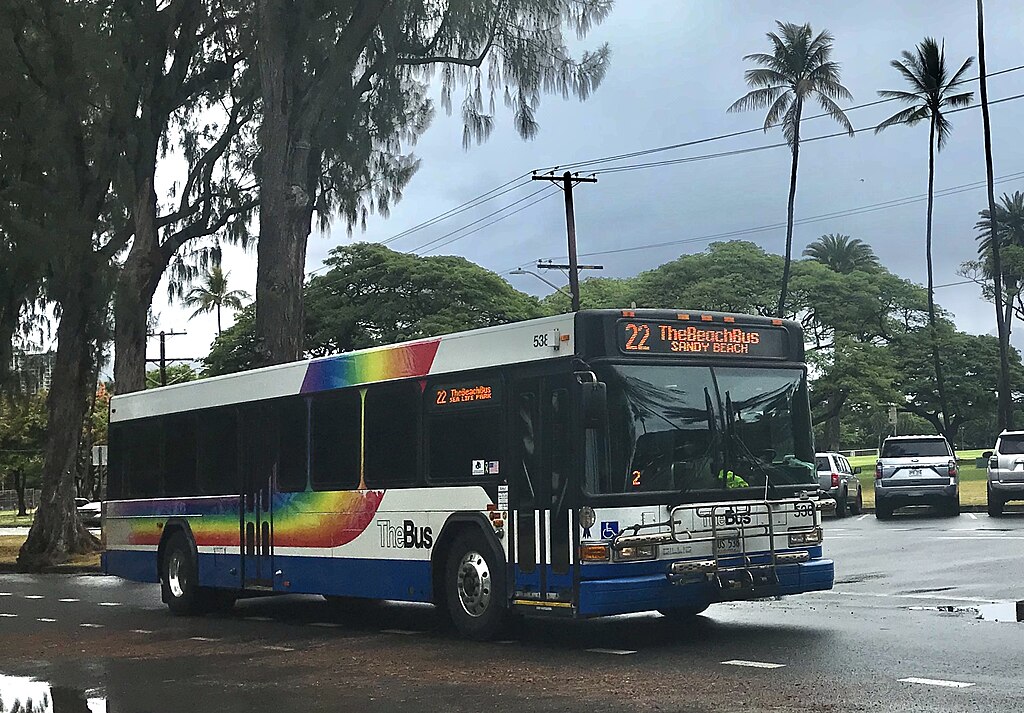
Photo: “TheBus Honolulu Vehicle 538” by Pink 91119, CC BY-SA 4.0
Commute Reality: Close to Town, But Still Honolulu Traffic
Kaimukī’s location is genuinely convenient for getting to downtown Honolulu, the airport, or east side destinations. The H-1 freeway is close, and you’ve got multiple route options depending on where you’re headed.
Downtown/Business District: About 10-15 minutes in light traffic via the H-1 or surface streets. During rush hour, budget 25-40 minutes. The morning commute westbound on H-1 can be brutal, but you’re getting on relatively close to downtown, so it’s not as bad as commuting from Ewa or Kapolei.
Airport: 15-20 minutes in light traffic, 30-45 during rush hour. Pretty reasonable for Oahu.
University of Hawaii Manoa: 10-15 minutes depending on which part of the campus. Very doable.
East Oahu (Hawaii Kai, etc.): 15-25 minutes in light traffic. This direction is usually less congested.
Windward Side (Kailua, Kaneohe): 25-35 minutes via the Pali Highway or Likelike. Not a terrible commute compared to coming from the west side.
Public transportation exists via TheBus, with multiple routes running through Kaimukī along Waialae Avenue and Kapahulu. Route 1 is particularly useful for getting to Waikiki or downtown. Routes 2 and 23 connect you to UH and other parts of the city. If you work downtown and don’t want to deal with parking, the bus is a viable option.
Be realistic though—this is still Honolulu. Traffic is a fact of life. You’ll sit in it, you’ll get frustrated, and you’ll learn to build extra time into your schedule. But Kaimukī’s central location means you’re usually not commuting as far as people in the suburbs, which makes a difference.
The Downsides: What You Should Know
No neighborhood is perfect, and Kaimukī has its drawbacks.
Older Housing Stock: The charm of old homes comes with the reality of old infrastructure. Expect maintenance issues, higher utility costs from lack of insulation, and potentially expensive upgrades. Many homes don’t have central air conditioning, just window units or ceiling fans. In summer, it gets warm.
Parking: Between narrow streets, small driveways, and everyone needing at least one car, parking can be frustrating. Street parking fills up quickly in the evenings. If you have multiple cars or frequent guests, this is something to consider.
Noise: You’re in the city. You’ll hear traffic, neighbors, late-night restaurant crowds on Waialae, dogs barking, yard maintenance. It’s not peaceful suburban quiet. Some streets are louder than others, so pay attention when you’re house hunting.
Limited Yard Space: If you’re coming from a place where homes have half-acre lots and space to spread out, Kaimukī lots will feel small. You’re not getting a big yard for kids to run around in or space for extensive gardening.
HOA and Maintenance Fees: If you’re looking at condos or townhomes, maintenance fees can be substantial, especially in older buildings. Budget for this in addition to your mortgage.
Cost of Living: While Kaimukī isn’t the most expensive Honolulu neighborhood, it’s still Hawaii. Everything costs more—property taxes, utilities, groceries, eating out, services. Make sure your budget is realistic.

Photo by Arnold Gatilao, CC BY 2.0
Schools and Family Considerations
Families with kids should know that Kaimukī falls within the Hawaii Department of Education‘s complex area for public schools. The main schools serving the neighborhood include:
- Kaimukī High School: A large public high school with a long history in the community.
- Kaimukī Middle School: Serves grades 6-8.
- Several elementary schools: Including Likelike Elementary, Liliuokalani Elementary, and Kaimukī Christian School (private).
Like anywhere, research the specific schools your address would be zoned for. Test scores, programs, and quality vary. Many families in Kaimukī send their kids to private schools like Punahou, Iolani, Mid-Pacific, or Maryknoll, though tuition is expensive.
The neighborhood is relatively family-friendly. There are kids around, parents walking with strollers, and a sense of community. It’s not suburbia, but it works for families who value location and walkability over space.
Who Kaimukī is For (And Who It’s Not For)
Kaimukī is great if you:
- Want walkability and don’t mind urban density
- Love having restaurant options at your doorstep
- Appreciate older homes with character
- Need reasonable access to multiple parts of the island
- Want a genuine neighborhood feel with long-term residents
- Don’t need a huge yard or extensive outdoor space
- Are comfortable with ongoing home maintenance
Kaimukī probably isn’t for you if you:
- Want a brand-new, low-maintenance home
- Need significant yard space for kids, dogs, or hobbies
- Prefer quiet suburban living over urban convenience
- Want ocean views or easy beach access (you’ll need to drive)
- Don’t want to deal with older home issues
- Require extensive parking for multiple vehicles
- Are on a very tight budget (Honolulu real estate is expensive everywhere, but still)
Summary: Is Kaimukī Right for You?
Location: Central Honolulu, between Waikiki and Kahala, stretching from Kapahulu to Wilhelmina Rise.
Walkability: One of Oahu’s most walkable neighborhoods with a Walk Score in the 80s. Grocery stores, restaurants, services, and parks within walking distance for most residents.
Food Scene: Exceptional concentration of quality restaurants along Waialae Avenue. Independent, locally-owned establishments ranging from casual to upscale. You could eat out weekly and not exhaust the options.
Housing: Predominantly single-family homes built 1920s-1960s, priced $800,000-1,800,000+ depending on condition and location. Expect older construction with character but also maintenance needs. Small lots (3,000-6,000 sq ft) with homes ranging 1,000-2,500 sq ft. Rentals are $2,000-5,000/month and competitive. Browse current Kaimukī listings to see what’s available now.
Commute: 10-15 minutes to downtown in light traffic, 25-40 during rush hour. Airport is 15-20 minutes away. Public bus service available via TheBus routes. Central location provides reasonable access to most parts of the island.
Housing Considerations: Single-wall construction, original systems needing upgrades, termite concerns common in older homes. Budget $50,000-150,000 for improvements unless recently renovated. Limited parking and small yards. No central AC in most homes.
Schools: Served by Kaimukī High, Kaimukī Middle, and several elementary schools. Many families choose private school options.
Best For: Urban-minded residents who prioritize walkability, food access, and location over space and newness. Young professionals, couples, small families, and retirees who want to be close to town without the tourist intensity of Waikiki.
Watch Out For: Older home maintenance costs, limited parking, urban noise, small lots, and high property prices even by Honolulu standards.
Local Expertise Matters: Working with agents who know Kaimukī’s specific challenges—from construction types to renovation costs—is crucial. The Agency Team Hawaii brings that neighborhood-specific knowledge to help you make informed decisions.
Kaimukī isn’t flashy, and it’s not going to give you that resort lifestyle some people imagine when they think about moving to Hawaii. But what it does offer is something increasingly rare in Honolulu: a genuine neighborhood where you can build a real life. You’ll get to know your neighbors, you’ll have your regular spots for coffee and dinner, and you’ll feel connected to a community that’s been here for generations.
That old-school charm is real, and for a lot of people, it’s exactly what makes Kaimukī one of the best places to live on Oahu. Just come in with your eyes open about what you’re getting—both the good parts and the parts that require patience and extra cash.


Leave A Comment