
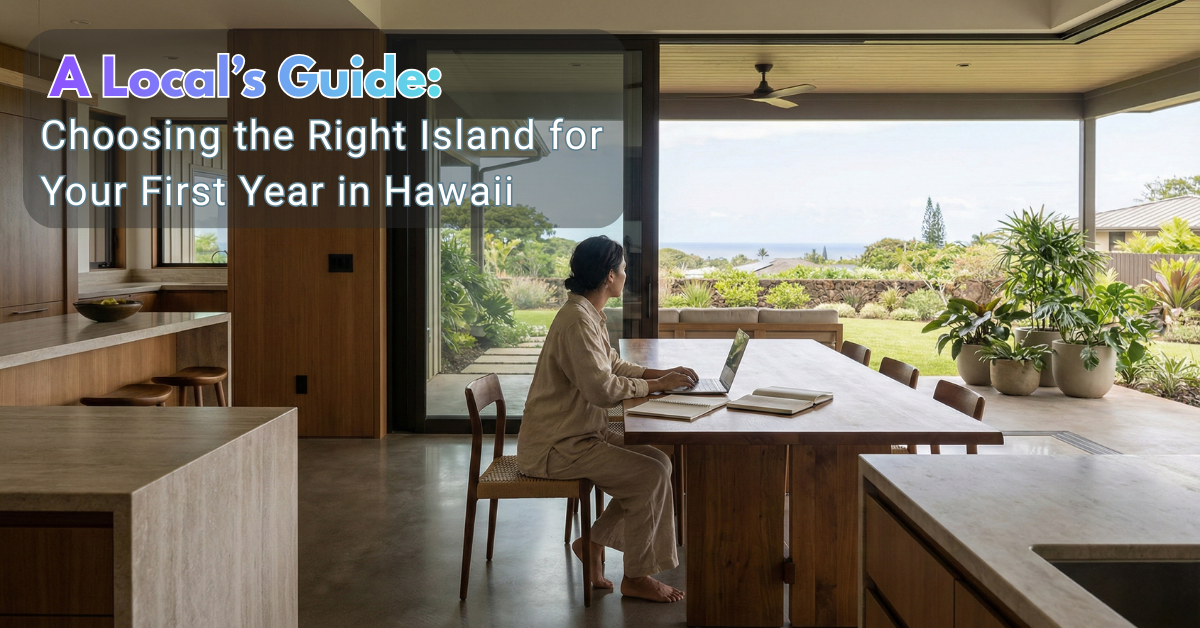
A Local’s Guide: Choosing the Right Island for Your First Year in Hawaii
A Local’s Guide: Choosing the Right Island for Your First Year in Hawaii
If you are trying to decide the best island to live in Hawaii for your first year, you are asking the right question. Hawaii is not one lifestyle. Each island has a very different day to day rhythm, job market, housing reality, and overall vibe. The best choice depends on what you need during your first year, not just what looks good on a vacation highlight reel.
For most people, year one is about getting stable. You learn island pace, cost of living, how fast housing moves, and which neighborhoods actually fit your routine. This is something we see constantly working with buyers and renters across the islands through The Agency Team Hawaii. The biggest mistakes usually happen when expectations do not match daily reality.
Below is a clear decision guide comparing Oahu, Maui, Kauai, and the Big Island based on lifestyle, jobs, cost, convenience, and long term livability.
Quick answer: Which is the best island to live in Hawaii for your first year?
- Oahu is best for most newcomers who want job options, rental availability, and convenience.
- Maui is best if lifestyle and scenery are priorities and you already have income stability.
- Kauai is best for people who want quiet, nature, and a tight knit community.
- Big Island is best if you want space, climate variety, and potentially lower housing costs.
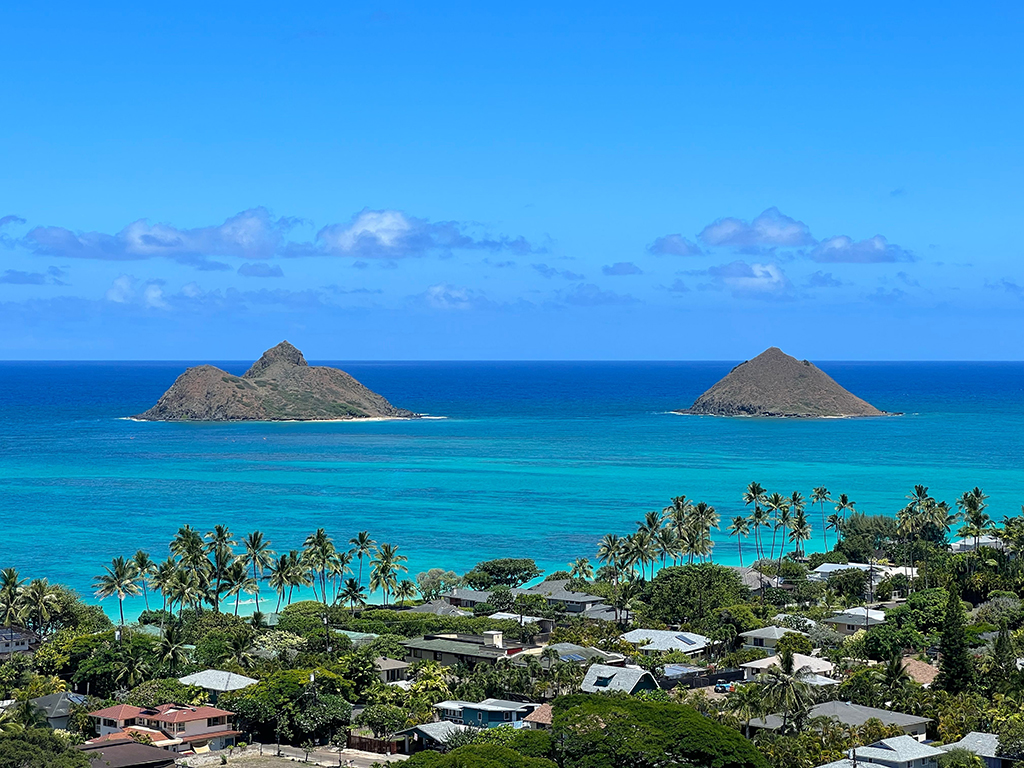
Oahu: Best island for jobs, schools, and convenience
For many people, Oahu is the best island to live in Hawaii for a first year. It has the largest job market, the most rental inventory, and the widest range of neighborhoods. Honolulu offers true city living, while areas outside the core provide more suburban or laid back options.
Oahu is often the easiest place to land if you need employment flexibility, reliable healthcare access, schools, and a faster adjustment period. It is also where most people begin their Hawaii housing search because inventory turns over more consistently.
The tradeoff is density. Traffic, crowds, and a faster pace are part of daily life in certain areas. Still, if you want options and stability while learning how Hawaii really works, Oahu is hard to beat.

A stunning view of the lush green countryside with buildings on the Hawaiian Island of Maui, Hawaii
Maui: Best island for lifestyle, scenery, and balance
Maui is often the island people picture when they imagine moving to Hawaii. It is scenic, relaxed, and built around outdoor living. For people who value beaches, hiking, and a slower daily pace, Maui can be a great first year choice.
Housing is the main challenge. Inventory is limited and prices are high, especially in popular areas. Maui tends to work best for buyers and renters who already have stable income, remote work, or flexibility.
Many people we help on Maui are prioritizing lifestyle first, then adjusting their housing expectations to match reality. When that balance is realistic, Maui can offer an excellent quality of life.

Kauai: Best island for quiet living and strong community
Kauai is beautiful, rural, and deeply community driven. It is also one of the most challenging islands for a first year transition. Job opportunities are limited, housing is competitive, and options are fewer overall.
Kauai tends to be a better fit for people who value simplicity, nature, and long term roots. If you need constant convenience, nightlife, or a wide job market, it can feel restrictive quickly.
For those who align with the pace and community, however, Kauai can be incredibly rewarding. It simply requires patience and realistic planning.
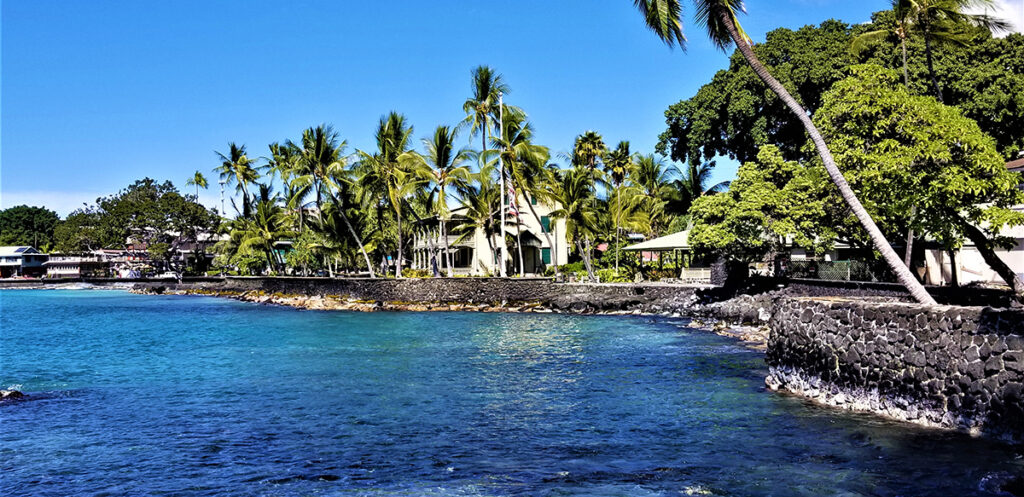
West Side of The Big Island of Hawaii
Big Island: Best island for space, microclimates, and flexibility
The Big Island offers the most physical space and the widest range of climates in Hawaii. It is common to live in one climate and drive into another within an hour. Housing can also be more attainable compared to other islands, depending on location.
The biggest adjustment is distance. Services are spread out, errands take longer, and each side of the island feels distinct. That slower pace works well for people who want room to breathe and do not need constant convenience.
If flexibility matters more than density, the Big Island can be a strong first year option, especially for buyers thinking longer term.
How to choose the right island for your first year in Hawaii
The decision becomes clearer when you focus on real life needs instead of island labels.
- Do you need local job options? Oahu usually makes the most sense.
- Is lifestyle the main goal and income already stable? Maui becomes more realistic.
- Do you value quiet and community over convenience? Kauai may be a fit.
- Do you want space, climate variety, and flexibility? The Big Island is worth exploring.
No matter which island you are considering, it helps to understand what homes are actually available in real time. Many people start by browsing listings across islands using a statewide search like this Hawaii property search to compare prices, locations, and neighborhood patterns before committing.
Bottom line
The best island to live in Hawaii for your first year is the one that supports your daily life, not just your dream version of Hawaii. Starting with realistic expectations makes the transition smoother and avoids costly mistakes.
Working with a team that understands housing, neighborhoods, and lifestyle differences across all islands can make a significant difference, especially during that first year when everything is new.
Frequently Asked Questions About Choosing the Best Island to Live in Hawaii
What is the best island to live in Hawaii for newcomers?
For most newcomers, Oahu is the best island to live in Hawaii for the first year. It offers the most job opportunities, the largest rental inventory, and the widest range of services, which makes the transition easier while adjusting to island life.
Is Oahu or Maui better for living in Hawaii?
Oahu is generally better for people who need employment options, schools, healthcare access, and convenience. Maui is better for those prioritizing lifestyle and scenery who already have stable income or remote work. The better choice depends on whether convenience or pace matters more in your daily life.
Which Hawaiian island has the lowest cost of living?
The Big Island can offer lower home prices compared to other islands, depending on location. However, cost of living varies by area, utilities, and access to services. While housing may be cheaper in some areas, travel time and availability of services should also be considered.
Is Kauai a good island to live on for the first year?
Kauai can be a good fit for people who want quiet living, strong community, and a slower pace. It is not ideal for everyone during the first year due to limited job opportunities and competitive housing. Planning ahead and having flexibility are important if Kauai is your top choice.
Which Hawaiian island is best for families?
Oahu is often the best island for families because of its schools, healthcare access, family activities, and neighborhood variety. Maui can also be a good option for families who prioritize outdoor living and already have stable income.
Which Hawaiian island is best for remote workers?
Remote workers often do well on Maui or the Big Island, where lifestyle and space can take priority over commuting. Oahu is still a strong option for remote workers who want faster internet access, coworking spaces, and easier logistics.
Can I search for homes on different Hawaiian islands before deciding?
Yes. Many people compare prices and neighborhoods across islands before choosing. Using a statewide property search allows you to see real listings, understand pricing differences, and identify which islands align best with your budget and lifestyle goals.
How long should I plan to stay on my first island?
Many people plan to spend at least one year on their first island. A full year allows you to experience seasonal changes, housing cycles, and daily routines before deciding whether to stay or explore another island.
Is it common to move between islands after the first year?
Yes. Some people start on Oahu for stability, then move to a neighbor island once they better understand Hawaii living. Starting where options are greater often makes future moves smoother and more informed.



Leave A Comment