

Best Walkable Towns in Hawaii for 2026: Your Complete Guide to Car-Free Living
Living in Hawaii doesn’t have to mean being chained to your car. While the islands are famous for their sprawling landscapes and scenic drives, several communities have evolved into genuinely walkable havens where you can accomplish daily tasks on foot, build community connections, and reduce your environmental footprint. As someone who’s explored every corner of these islands, I’ve witnessed firsthand how certain areas have transformed into pedestrian-friendly gems that rival any mainland walkable community.
The demand for walkable communities in Hawaii has surged dramatically since 2020, driven by remote work flexibility, environmental consciousness, and a desire for more authentic island living. This comprehensive guide examines the most walkable towns across all major Hawaiian islands, analyzing everything from Walk Scores to real-world practicality, helping you make an informed decision about where to plant roots in paradise.
Understanding Walkability in the Hawaiian Context
Walkability in Hawaii operates differently than on the mainland. While a typical mainland walkable city might score high on density and transit connections, Hawaiian walkability often centers around neighborhood completeness – having essential services, fresh food, and community spaces within a comfortable walking distance. The tropical climate means year-round walking weather, but it also means dealing with intense sun, occasional heavy rains, and the unique challenge of elevation changes that can make a “short” walk surprisingly strenuous.
The Hawaii Department of Transportation’s 2025 Pedestrian Master Plan identified key factors that make island communities truly walkable: continuous sidewalk networks, shade coverage, pedestrian-scale lighting, and mixed-use development patterns. Unlike mainland cities where walkability often means towering apartments above retail, Hawaiian walkable communities typically feature low-rise buildings, generous outdoor spaces, and integration with natural landscapes.
Oahu: The Walkability Leader
Downtown Honolulu and Chinatown
Walk Score: 89 (Very Walkable)
Downtown Honolulu remains Hawaii’s most walkable area, and recent urban development has only strengthened this position. The Ward Village redevelopment project, completed in phases through 2025, created a pedestrian paradise with over 200 retail shops, restaurants, and services within a six-block radius. The area now houses approximately 8,000 residents in mixed-use towers, with ground-floor retail ensuring constant foot traffic and vibrant street life.
The Deep Reality: Living here means genuine car-free potential. Residents can walk to Whole Foods, Target, multiple pharmacies, dozens of restaurants, and the beach – all within 10 minutes. The Honolulu Rail Transit connection, which began full operations in 2024, provides seamless access to the airport and western suburbs. However, housing costs reflect this convenience: studio apartments start around $2,800/month, while one-bedrooms average $3,500.
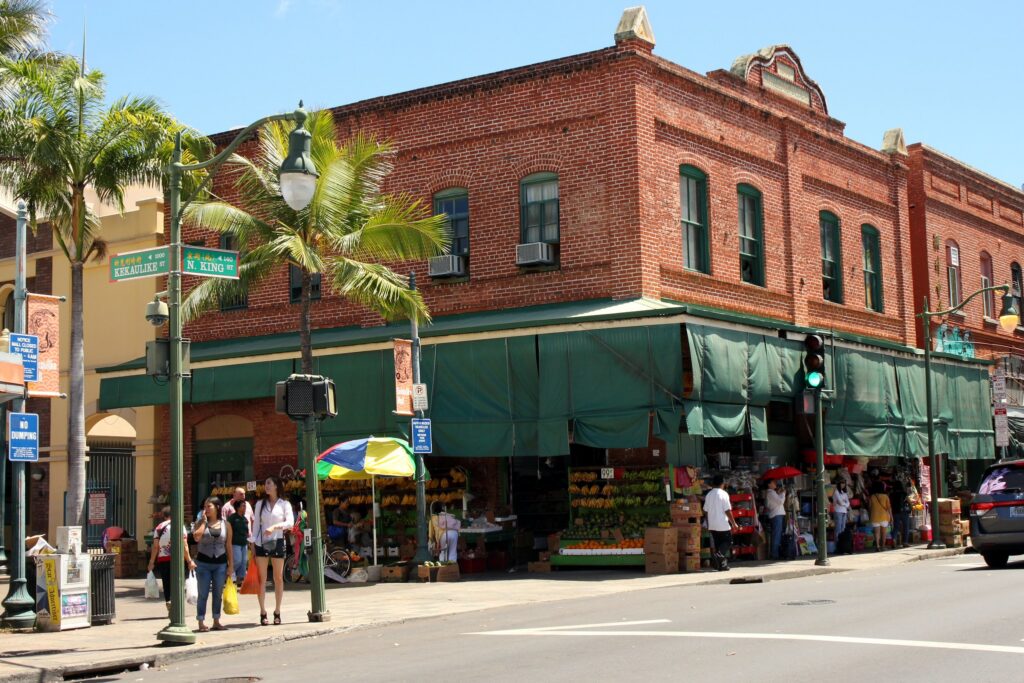
Chinatown adjacent to downtown offers a grittier but equally walkable experience. The neighborhood has undergone significant gentrification since 2022, with new boutique hotels, galleries, and farm-to-table restaurants joining traditional markets and herbalists. The Chinatown Cultural Plaza renovation completed in 2025 added covered walkways and improved lighting, making evening strolls more comfortable and safe.
Pros:
– Genuine car-free living possible
– Excellent public transit connections
– Rich cultural diversity and dining scene
– Beach access within walking distance
– Growing arts and nightlife scene
Cons:
– Extremely high housing costs
– Limited parking for visitors
– Urban noise and density
– Homeless population presence
– Limited green space
Kailua
Walk Score: 72 (Very Walkable)
Kailua has evolved from a sleepy beach town into one of Oahu’s most walkable communities, though with a distinctly different character than urban Honolulu. The town center, concentrated along Kailua Road and Hahani Street, now features over 40 businesses within a four-block walkable core, including two full-service grocery stores (Whole Foods and Times Supermarket), multiple dining options, surf shops, and essential services.
The Infrastructure Reality: The town invested heavily in pedestrian infrastructure between 2023-2025, adding continuous sidewalks, crosswalk improvements, and bike lanes throughout the core area. The Kailua Beach Park sits just a 5-minute walk from the town center, making this one of the few places where you can walk from your grocery store to world-class beaches.
However, Kailua’s walkability comes with trade-offs. The town deliberately limits high-density development, meaning housing options are primarily single-family homes and small condos. Median home prices hover around $1.8 million, while rental properties average $4,000/month for a one-bedroom. The parking situation is notoriously difficult, with most businesses offering limited spaces and beach parking filling up by 9 AM daily.

The Commute Factor: If you work outside Kailua, your walkable lifestyle becomes complicated. The commute to Honolulu takes 45-90 minutes depending on traffic, and public transit options are limited to infrequent bus service.
Pros:
– World-class beach within walking distance
– Complete grocery and dining options
– Safe, family-friendly environment
– Excellent weather year-round
– Strong sense of community
Cons:
– Extremely expensive housing
– Limited job opportunities locally
– Difficult commute to other areas
– Parking challenges
– Tourist crowds impact daily life
Kaimuki
Walk Score: 78 (Very Walkable)
Kaimuki represents Hawaii’s best-kept walkability secret – a neighborhood that combines urban convenience with residential charm at relatively affordable prices. The Waialae Avenue corridor stretches for nearly a mile, packed with local restaurants, coffee shops, markets, and services that cater to both residents and visitors.
The Transformation Story: Since 2020, Kaimuki has experienced a restaurant renaissance, with over 25 new dining establishments opening along the main strip. The neighborhood now rivals any mainland food scene, with everything from Vietnamese pho to Hawaiian plate lunches, craft cocktails to artisanal ice cream – all within walking distance of residential streets lined with charming bungalows and small apartment buildings.
Housing Reality: Kaimuki offers Hawaii’s most accessible entry point into walkable living. One-bedroom apartments range from $1,800-2,400/month, while small houses can be found for $2,500-3,500/month. The neighborhood attracts young professionals, artists, and long-term residents who appreciate the balance of urban amenities and residential tranquility.
The Practical Details: Residents can walk to Safeway, Times Supermarket, multiple pharmacies, banks, and the post office. The neighborhood sits on several TheBus routes, providing connections throughout Oahu. However, the area lacks major grocery diversity – you won’t find a Whole Foods or Target within walking distance.

Photo: “Rainbow in Kaimuki” by oopsart, licensed under CC BY 2.0
Pros:
– Vibrant restaurant and nightlife scene
– Relatively affordable for Hawaii
– Strong local character and community
– Good public transit connections
– Mix of housing types available
Cons:
– Limited major retail options
– Parking can be challenging
– Some areas lack sidewalks
– Hill terrain makes some walks strenuous
– Noise from Waialae Avenue traffic
Maui: Emerging Walkable Communities
Paia
Walk Score: 65 (Somewhat Walkable)
Paia punches above its weight in walkability despite its small size. This former plantation town has reinvented itself as Maui’s bohemian hub, with virtually everything concentrated along a single street – Hana Highway through the town center. Within a three-block stretch, residents and visitors find restaurants, surf shops, grocery stores, banks, and the famous Paia Bay Beach.
The Complete Picture: Paia’s walkability works because of its compact scale and complete services. Mana Foods provides comprehensive grocery shopping with an emphasis on organic and local products. The town features over 15 restaurants ranging from casual plate lunch spots to upscale farm-to-table dining. Essential services like banks, post office, and medical clinics are all within the walkable core.
Housing Challenges: Paia’s popularity has driven housing costs to extreme levels. The limited housing stock consists mainly of older homes and small apartments, with median rents around $3,200/month for a one-bedroom. Many residents live in nearby Haiku or Makawao and drive into Paia, which somewhat defeats the walkable lifestyle concept.
The Wind Factor: Paia sits in Maui’s trade wind corridor, which provides natural cooling but can make walking uncomfortable during strong wind days. The town also experiences significant tourist traffic, especially during winter months when North Shore surf conditions peak.
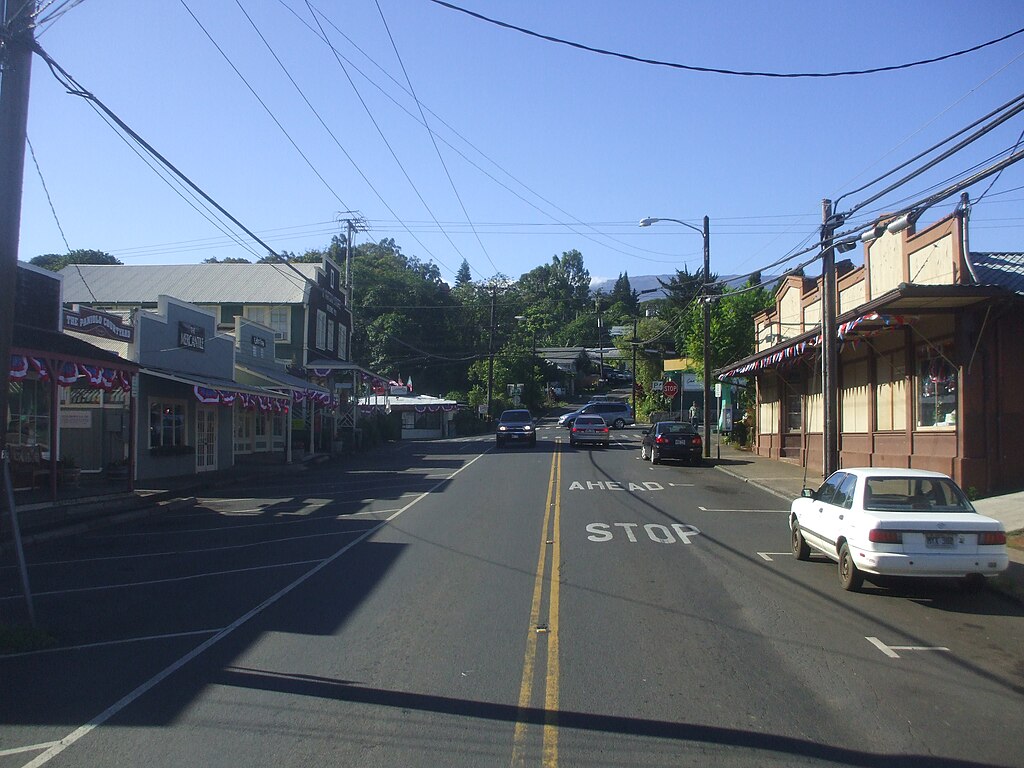
Photo licensed under CC BY-SA 3.0.
Pros:
– Complete services in compact area
– Beautiful beach access
– Strong arts and culture scene
– Excellent restaurants and cafes
– Year-round perfect weather
Cons:
– Extremely limited housing options
– High cost of living
– Tourist crowds
– Strong trade winds
– Limited job opportunities
Wailuku
Walk Score: 58 (Somewhat Walkable)
Wailuku represents Maui’s most practical walkable community, offering genuine residential neighborhoods combined with complete urban services. The town center along Market Street and Main Street provides banking, government services, restaurants, and shopping, while residential areas spread into the surrounding foothills with a mix of housing types.
The Revitalization Success: Wailuku has undergone dramatic revitalization since 2020, with new restaurants, bars, and shops breathing life into previously vacant storefronts. The Wailuku First Friday events have created a monthly community celebration that showcases the town’s growing cultural scene. The area now features over 30 restaurants and bars within the walkable core.
Housing Accessibility: Unlike other Hawaiian walkable communities, Wailuku offers diverse housing options at various price points. Apartments range from $1,400-2,200/month, while small houses can be found for $2,000-3,000/month. The area attracts working families, county employees, and retirees seeking affordable island living with urban conveniences.
The Infrastructure Reality: Wailuku’s walkability has limitations. While the town center is compact and walkable, essential shopping requires traveling to Kahului, about 3 miles away. The town lacks a major grocery store within walking distance, though several smaller markets and convenience stores serve basic needs.
Pros:
– Affordable housing by Hawaii standards
– Growing restaurant and cultural scene
– Government and professional jobs nearby
– Diverse community
– Central Maui location
Cons:
– Limited major shopping options
– Need car for comprehensive errands
– Less tourist infrastructure
– Hot and humid during summer
– Some areas lack sidewalks
Big Island: Rural Walkability
Hilo
Walk Score: 54 (Car-Dependent but Improving)
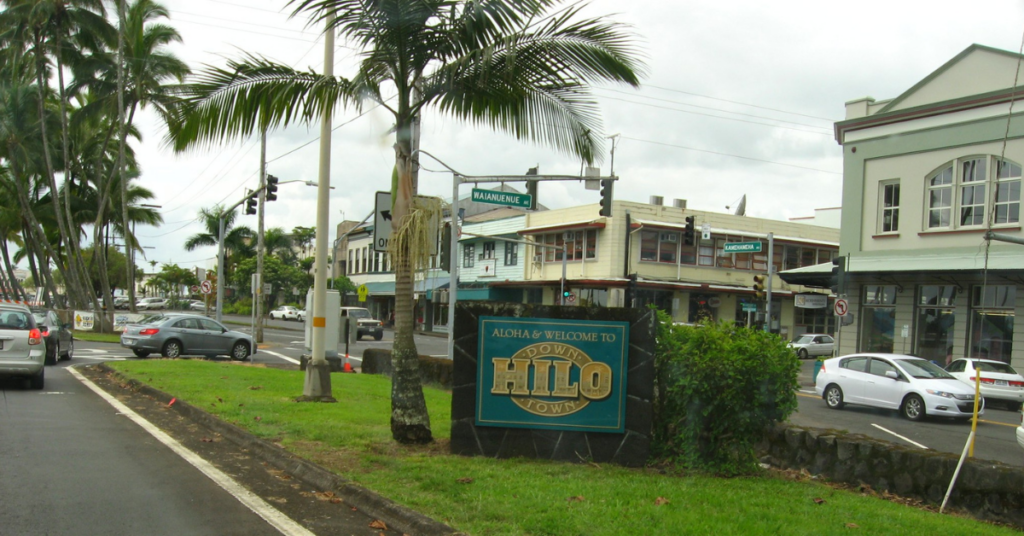
Hilo offers the Big Island’s most walkable experience, though it requires adjusting expectations from mainland urban standards. The downtown core along Bayfront and Kamehameha Avenue provides a surprising concentration of services, restaurants, and cultural attractions within a compact area that’s easily navigated on foot.
The Downtown Renaissance: Hilo’s downtown has experienced steady growth since 2022, with new restaurants, breweries, and shops joining established businesses. The Hilo Farmers Market, operating Wednesday and Saturday, creates a walkable food destination that rivals any mainland market. The area now features over 25 restaurants, multiple coffee shops, banks, and essential services within a six-block radius.
Housing Reality: Hilo offers Hawaii’s most affordable walkable living. One-bedroom apartments in walkable areas range from $1,200-1,800/month, while small houses can be found for $1,500-2,500/month. The area attracts university students, professionals, and retirees seeking authentic Hawaiian small-town living.
The Weather Factor: Hilo receives significant rainfall – averaging 130+ inches annually – which impacts walkability. However, the consistent temperatures (70-80°F year-round) and frequent light showers rather than heavy downpours make walking feasible most days with appropriate rain gear.
Infrastructure Challenges: Hilo’s walkability is limited by infrastructure gaps. While downtown is compact, many residential areas lack sidewalks. The KTA Super Store and other major retailers sit just outside comfortable walking distance from downtown, requiring a car or bike for comprehensive shopping.
Pros:
– Most affordable walkable option in Hawaii
– Authentic local community
– Rich cultural attractions
– University town atmosphere
– Beautiful natural setting
Cons:
– Frequent rainfall
– Limited major retail within walking distance
– Fewer dining options than other islands
– Job market limitations
– Some infrastructure gaps
Kailua-Kona
Walk Score: 48 (Car-Dependent)
Kailua-Kona presents a challenging walkability case – the historic Ali’i Drive waterfront area is highly walkable and tourist-friendly, but residential areas and essential services spread far beyond comfortable walking distance. However, for those living directly in the town center, a car-reduced lifestyle is possible.
The Tourist Infrastructure Advantage: The concentration of hotels, restaurants, and shops along Ali’i Drive creates a walkable corridor stretching about 1.5 miles from Kailua Pier to Magic Sands Beach. This area features over 40 restaurants, multiple grocery options (including Target and Safeway), banks, and essential services.
Housing Limitations: Living within walking distance of Kona’s amenities requires significant financial investment. Condos in walkable areas start around $2,500/month for studios, while one-bedrooms average $3,200/month. Most affordable housing sits in residential developments that require driving to access town amenities.
The Heat Challenge: Kona’s leeward location creates consistently hot, sunny conditions that can make walking uncomfortable during midday hours. Temperatures regularly reach 85-90°F with intense sun exposure, making early morning and evening the most pleasant walking times.

Kailua-Kona Ironman start and finish area on Aliʻi Drive, Big Island of Hawaii. Photo by dronepicr, licensed under CC BY 2.0.
Pros:
– Concentrated tourist amenities
– Year-round warm weather
– Beautiful oceanfront walking
– Good restaurant selection
– Historic charm
Cons:
– Expensive housing in walkable areas
– Hot daytime temperatures
– Limited residential walkability
– Tourist-focused rather than resident-focused
– Parking challenges in town center
Kauai: Small-Town Walkability
Hanapepe
Walk Score: 42 (Car-Dependent but Charming)
Hanapepe offers Kauai’s most concentrated walkable experience, though on a very small scale. The historic Hanapepe Town center along Hanapepe Road features art galleries, restaurants, and shops within a two-block area that’s perfect for leisurely exploration on foot.
The Friday Night Magic: Hanapepe’s Art Night every Friday transforms the sleepy town into a vibrant community gathering, with galleries, shops, and restaurants staying open late. This weekly event showcases how small Hawaiian towns can create walkable community experiences even with limited infrastructure.
Housing and Lifestyle Reality: Hanapepe attracts artists, retirees, and those seeking authentic small-town Hawaiian living. Housing costs are moderate by Hawaii standards – small homes range from $1,800-2,800/month, while apartments can be found for $1,200-1,800/month. However, residents need cars for grocery shopping and most daily errands, as services are limited within the walkable town center.
The Practical Limitations: While charming for evening strolls and weekend exploration, Hanapepe lacks the infrastructure for car-free daily living. The nearest major grocery store (Big Save in Eleele) sits 3 miles away, and essential services like banks and medical facilities require driving to Lihue or Kalaheo.

Photo: “Swinging footbridge in Hanapepe, Kauai, Hawaii” by Richard Thomas, licensed under CC BY-SA 4.0
Pros:
– Authentic small-town Hawaii character
– Strong arts community
– Affordable housing by Hawaii standards
– Beautiful rural setting
– Low crime and traffic
Cons:
– Very limited services within walking distance
– Need car for daily errands
– Limited job opportunities
– Isolated location
– Minimal dining options
The Economics of Walkable Living in Hawaii
Living in Hawaii’s walkable communities comes with a premium that extends beyond housing costs. Transportation savings can be significant – the average Hawaii household spends $1,200+ monthly on vehicle expenses (payments, insurance, gas, maintenance). Eliminating one or both cars can offset higher housing costs in walkable areas.
Food costs in walkable areas often run higher due to convenience pricing and tourist-focused businesses. A grocery budget that might be $800/month in suburban areas could reach $1,000+ in walkable neighborhoods. However, the abundance of restaurants and food options can actually reduce home cooking costs if you take advantage of happy hours and local specials.
Utility savings in walkable communities can be substantial. Many walkable areas feature newer, energy-efficient buildings with lower electricity costs. The ability to walk rather than drive for daily errands reduces gas expenses, while living in denser areas often means lower water and waste management costs.
Health and Lifestyle Benefits
The health benefits of walkable Hawaiian living extend beyond simple exercise. Daily walking in tropical climates provides year-round vitamin D exposure, while the varied terrain in most Hawaiian walkable areas offers natural strength training through hill climbing and uneven surfaces.
Mental health benefits are particularly pronounced in Hawaii’s walkable communities. The combination of regular physical activity, community interaction, and reduced driving stress creates measurable improvements in life satisfaction. Many residents report better sleep patterns and reduced anxiety levels after transitioning to walkable living.
Community connection develops naturally in walkable areas. Regular walking routes create opportunities for neighbor interactions, local business relationships, and community involvement that suburban car-dependent living rarely provides.
Practical Tips for Walkable Living Success
Choose your base location carefully. Even within walkable communities, specific streets and buildings can dramatically impact your walking lifestyle. Prioritize locations within 3-4 blocks of your most essential services – grocery store, pharmacy, and primary transportation hub.
Invest in quality walking gear. Hawaii’s climate demands specific equipment: UV-protective clothing, quality rain gear, comfortable walking shoes with good traction, and a reliable umbrella. The initial investment pays dividends in daily comfort and safety.
Master the art of strategic shopping. Walkable living requires planning grocery trips and errands more carefully than car-dependent lifestyles. Invest in a quality shopping cart or wheeled bag, and learn to shop more frequently for smaller quantities rather than weekly bulk shopping.
Build relationships with local businesses. Walkable communities thrive on local business relationships. Regular customers often receive better service, insider information about community events, and sometimes delivery or special ordering services that make car-free living more convenient.
Transportation Integration
Public transit connections vary dramatically between Hawaii’s walkable communities. Oahu’s TheBus system provides comprehensive coverage of walkable areas, with frequent service to downtown Honolulu, Chinatown, and Kaimuki. The Honolulu Rail system, fully operational since 2024, connects walkable urban areas with the airport and western suburbs.
Bike infrastructure in Hawaiian walkable communities is improving but remains inconsistent. Honolulu and Kailua offer the best bike lane networks, while Maui and Big Island communities often lack dedicated cycling infrastructure. Electric bikes are becoming increasingly popular for extending walkable ranges, especially in hilly areas like Kaimuki and Wailuku.
Ride-sharing and taxi services fill gaps in walkable living, particularly for airport trips, late-night transportation, and accessing services outside walking distance. Budget $200-400/month for occasional ride-sharing if you’re committed to car-free living.
Future Developments and Trends
Hawaii’s walkable communities are poised for significant expansion through 2026-2030. Honolulu’s Complete Streets initiative will add pedestrian infrastructure throughout urban areas, while Maui County’s Pedestrian Master Plan includes major sidewalk and crosswalk improvements in Wailuku and Paia.
Transit-oriented development around rail stations will create new walkable communities on Oahu, particularly in Kapolei and Pearl City. These areas will offer more affordable alternatives to established walkable neighborhoods while providing similar car-free lifestyle options.
Climate change adaptation is driving increased investment in walkable infrastructure as communities recognize the environmental and economic benefits of reduced car dependency. Expect continued improvements in shade coverage, pedestrian cooling stations, and weather-protected walkways throughout Hawaii’s walkable areas.
Making Your Decision
Choosing Hawaii’s best walkable town for your lifestyle requires honest assessment of your priorities, budget, and daily needs. Urban professionals seeking comprehensive car-free living should focus on Honolulu’s downtown and Chinatown areas despite higher costs. Families might find Kailua or Kaimuki offer better balances of walkability and residential character.
Retirees often thrive in smaller walkable communities like Paia or Hanapepe, where the pace is slower and community connections develop naturally. Young professionals and artists frequently gravitate toward Kaimuki and Wailuku, where affordable housing combines with growing cultural scenes.
Budget-conscious residents should seriously consider Hilo and Wailuku, where walkable living costs significantly less than Oahu options while still providing essential urban amenities and community character.
The key to successful walkable living in Hawaii is understanding that each community offers trade-offs between cost, convenience, and character. The perfect walkable Hawaiian town is the one that aligns with your specific lifestyle needs, financial capacity, and long-term goals for island living.
Whether you choose the urban energy of Honolulu, the beach town charm of Kailua, or the authentic local character of Hilo, Hawaii’s walkable communities offer unique opportunities to experience island life at a human pace, building connections with both community and place that car-dependent living rarely provides.
Leave A Comment