

Embrace the Mist: Discovering the Best Rainy Towns in Hawaii
Hawaii is often pictured as a land of perpetual sunshine and golden beaches. While that’s certainly part of its allure, the islands also boast lush, verdant landscapes nurtured by frequent rainfall. For some, the idea of living in a place where rain is a regular occurrence is a dream come true. The gentle patter of raindrops, the cooler temperatures, and the vibrant greenery all contribute to a unique and calming lifestyle. If you’re drawn to the idea of embracing the mist, then exploring Hawaii’s rainy towns might be the perfect adventure for you.
Why Choose a Rainy Town in Hawaii?
Living in a rainy town in Hawaii isn’t just about tolerating the weather; it’s about embracing a different kind of lifestyle. Here’s why some people actively seek out these wetter locales:
- Lush Scenery: The rain is what fuels the islands’ incredible biodiversity. Expect vibrant rainforests, cascading waterfalls, and an abundance of tropical flowers.
- Cooler Temperatures: If you’re not a fan of the constant heat, rainy towns offer a welcome respite. The higher rainfall often translates to significantly cooler temperatures, especially at night.
- Slower Pace of Life: Rainy days tend to encourage indoor activities and a more relaxed pace. Life in these towns is often quieter and more community-focused.
- Lower Humidity (Sometimes): While it might seem counterintuitive, some rainy areas, especially at higher elevations, can actually have lower humidity than coastal areas.
- Fewer Crowds: The sun-drenched beaches attract the most tourists. Rainy towns, while beautiful, tend to be less crowded, offering a more authentic Hawaiian experience.
Exploring the Best Rainy Towns: Island by Island
Let’s take a closer look at some of the best rainy towns in Hawaii, island by island:
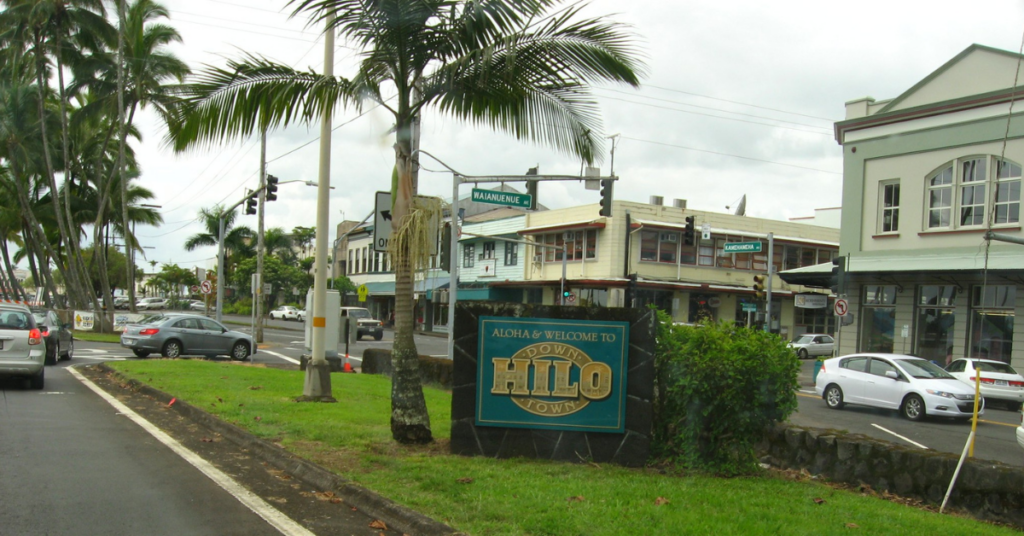
Photo by Ken Lund, CC BY-SA 2.0, via Flickr
The Big Island: Hilo and Volcano
The Big Island, also known as Hawai’i Island, is the largest and most diverse of the Hawaiian Islands. It’s also home to some of the rainiest spots.
Hilo: A Historic Coastal Town
- The What: Hilo is the largest town on the Big Island and one of the rainiest cities in the United States. Located on the eastern side of the island, it’s known for its historic charm, beautiful parks, and proximity to stunning natural attractions.
- The Why: Hilo’s location on the windward side of the island, facing the prevailing trade winds, makes it a magnet for rainfall. The towering Mauna Kea volcano also contributes to the high precipitation levels. This constant moisture creates the perfect environment for lush rainforests and cascading waterfalls.
- The Insider Reality: While the rain is a defining characteristic of Hilo, it’s not constant downpours. Expect frequent showers, often interspersed with periods of sunshine. The rain is usually gentle and refreshing, and the cooler temperatures make it a pleasant place to live. However, be prepared for potential flooding during heavy rain events.
- The Data: Hilo receives an average of over 130 inches of rain per year. Median home prices in Hilo are around $450,000 as of late 2024.
Pros of Living in Hilo:
- Lush scenery and abundant waterfalls
- Cooler temperatures
- Historic charm and local culture
- Relatively affordable housing (compared to other Hawaiian destinations)
- Proximity to Volcanoes National Park
Cons of Living in Hilo:
- High rainfall
- Potential for flooding
- Limited job opportunities outside of tourism and government
- Higher humidity levels
- Can feel isolated from other parts of the island
Volcano: A Unique Mountain Village
- The What: Volcano is a small village located near the entrance to Volcanoes National Park. Situated at a higher elevation, it experiences cooler temperatures and frequent rainfall.
- The Why: The high elevation and proximity to the active Kilauea volcano contribute to Volcano’s unique climate. The moisture-laden air rises up the slopes of the volcano, condensing into rain and mist.
- The Insider Reality: Living in Volcano is like living in a cloud forest. Expect frequent mist, fog, and light rain. The temperatures can be surprisingly cool, especially at night. The village has a small but vibrant community of artists, scientists, and nature lovers.
- The Data: Volcano receives an average of over 100 inches of rain per year. Median home prices in Volcano are around $400,000.
“Kilauea Volcano, Hawaii Big Island” by szeke is licensed under CC BY-SA 2.0 

 .
.
Pros of Living in Volcano:
- Unique and mystical atmosphere
- Cooler temperatures
- Proximity to Volcanoes National Park
- Strong sense of community
- Beautiful natural surroundings
Cons of Living in Volcano:
- High rainfall and frequent mist
- Cooler temperatures
- Limited amenities and services
- Can feel isolated
- Potential for volcanic activity
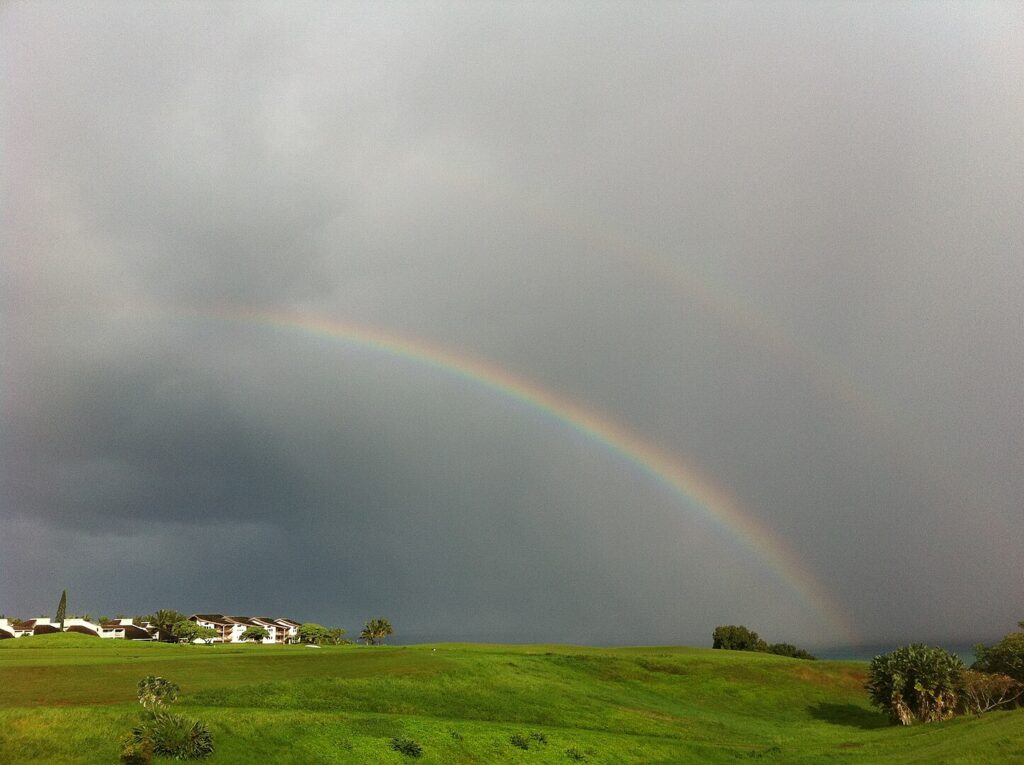
Rainbow arching over Princeville on Kauai’s North Shore, with lush green hills and tropical homes beneath. Photo credit: By Humanoid one – Own work, CC BY-SA 3.0 via Wikimedia Commons.
Kauai: The Garden Isle’s Wet Side
Kauai, known as the “Garden Isle,” is famous for its dramatic landscapes, emerald valleys, and pristine beaches. It’s also home to some of the wettest places on Earth.
Hanalei: A Tranquil North Shore Paradise
- The What: Hanalei is a charming town located on Kauai’s North Shore. Known for its stunning bay, lush taro fields, and laid-back atmosphere, it’s a popular destination for surfers, nature lovers, and those seeking a quieter lifestyle.
- The Why: Hanalei’s location on the windward side of Kauai, nestled between towering mountains, makes it a prime target for rainfall. The mountains act as a barrier, trapping moisture-laden air and creating a consistently wet environment.
- The Insider Reality: While Hanalei is undeniably beautiful, it’s important to be prepared for the rain. Expect frequent showers, especially during the winter months. The rain can be intense at times, leading to flash floods and road closures. However, the rain is also what keeps the landscape so incredibly lush and vibrant.
- The Data: Hanalei receives an average of over 80 inches of rain per year. Median home prices in Hanalei are significantly higher, often exceeding $1 million.
Pros of Living in Hanalei:
- Stunning natural beauty
- World-class surfing
- Laid-back atmosphere
- Close-knit community
- Abundant outdoor activities
Cons of Living in Hanalei:
- High rainfall and potential for flooding
- High cost of living
- Limited job opportunities
- Can feel isolated from other parts of the island
- Traffic congestion during peak season
Adapting to Life in a Rainy Town
If you’re considering moving to a rainy town in Hawaii, here are a few tips for adapting to the wetter climate:
- Invest in Waterproof Gear: A good rain jacket, waterproof shoes, and an umbrella are essential.
- Embrace Indoor Activities: Find hobbies and activities that you can enjoy indoors, such as reading, cooking, or crafting.
- Learn to Drive in the Rain: Driving in the rain can be challenging, especially on winding mountain roads. Drive slowly and carefully, and be aware of potential hazards like flash floods and landslides.
- Be Prepared for Power Outages: Heavy rain and wind can sometimes cause power outages. Have a backup plan in place, such as a generator or battery-powered lanterns.
- Enjoy the Beauty of the Rain: Learn to appreciate the beauty of the rain. Take a walk in the rainforest after a shower, listen to the sound of the raindrops on your roof, and marvel at the vibrant colors of the landscape.
Is a Rainy Town Right For You?
Living in a rainy town in Hawaii is not for everyone. It requires a certain mindset and a willingness to embrace a different kind of lifestyle. If you’re someone who loves sunshine and beaches, you might be happier in a drier location. However, if you’re drawn to lush scenery, cooler temperatures, and a slower pace of life, then a rainy town might be the perfect place for you to call home.
Ultimately, the best way to decide if a rainy town is right for you is to visit and experience it for yourself. Spend some time exploring the different towns, talking to locals, and getting a feel for the climate and the community. With a little research and planning, you can find the perfect rainy town to suit your needs and preferences.
Leave A Comment