
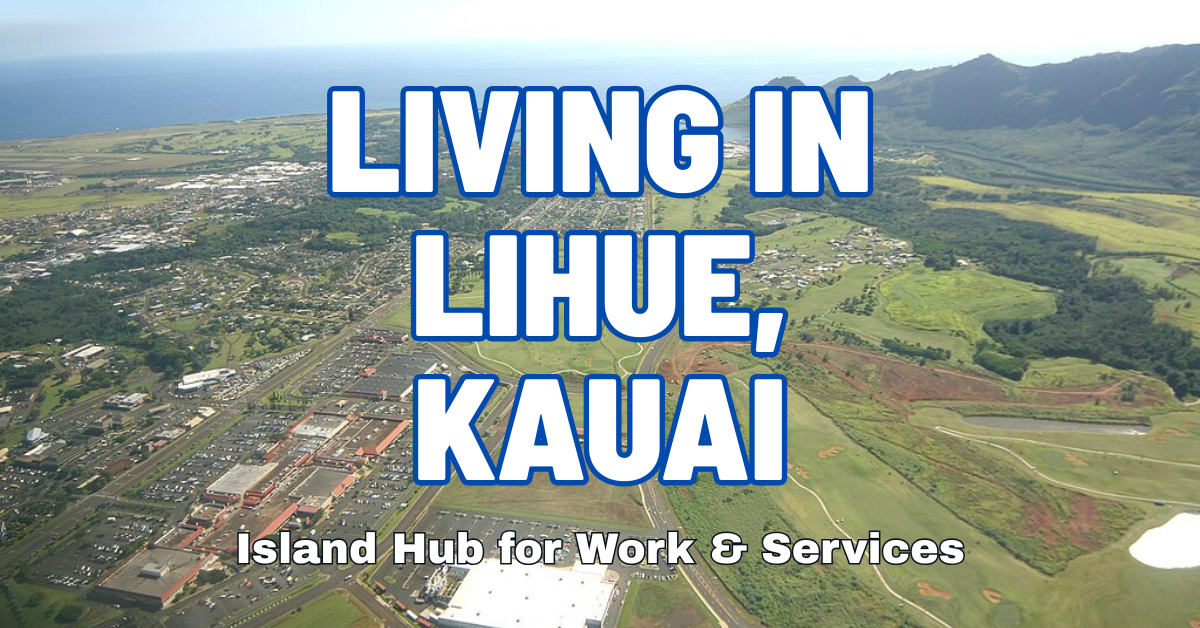
Living in Līhuʻe, Kauaʻi: Island Hub for Work & Services
If you’re considering a move to Kauaʻi and need to be close to work, healthcare, or just want the convenience of island amenities without the resort price tag, Līhuʻe is where everything comes together. As Kauaʻi’s county seat and largest town, Līhuʻe has been the island’s central hub since 1837—and it’s still the most practical place to call home if you’re working on island.
Your Gateway In and Out
Līhuʻe Airport is Kauaʻi’s primary—and only commercial—airport, handling over 3 million passengers annually. Whether you’re commuting to Honolulu for work meetings or family on the mainland is visiting, everything flows through here. The airport’s central location on the southeast coast means you’re never more than 45 minutes from anywhere on the island, which makes weekend adventures to the North Shore or Waimea Canyon totally doable.
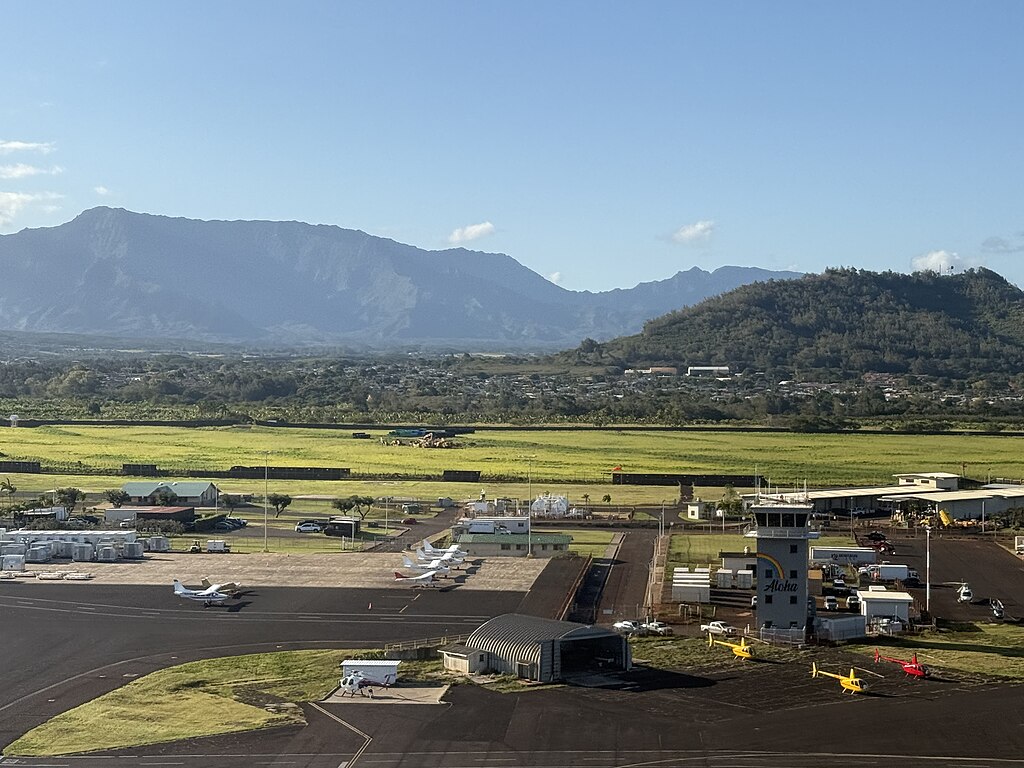
Līhuʻe Airport, Kauaʻi’s main gateway. Photo by Farragutful.
Healthcare When You Need It
Wilcox Medical Center, the island’s largest hospital, is right in Līhuʻe. Part of Hawaii Pacific Health, it’s been serving Kauaʻi families for over 75 years with everything from emergency care to specialty services in cardiology, gastroenterology, and obstetrics. Having the main hospital nearby brings peace of mind, especially if you have young kids or aging parents. There’s also Kauai Medical Clinic with multiple locations offering primary care, pediatrics, and specialty services.
Where the Jobs Are
Līhuʻe is Kauaʻi’s employment center, and you’ll find way more opportunities here than anywhere else on the island. Major employers include the County of Kauai government offices, Wilcox Medical Center, Kauaʻi Community College, Costco, Hawaiian Airlines, and the hospitality sector around Kalapaki Beach. The mix of public sector stability—county jobs, education, healthcare—and private enterprise makes it easier to find work compared to the more resort-focused areas like Poipu or Princeville.
Tourism and hospitality jobs are plentiful, especially at properties like The Royal Sonesta Kauai Resort and Marriott’s resorts. You’ll also find administrative positions, retail work at Kukui Grove Center and Costco, and positions in trades and construction serving the island’s ongoing development.

Kapule Highway in Līhuʻe, Kauaʻi. Photo by Bob Linsdell, CC BY 3.0.
The Real Talk on Cost of Living
Let’s be honest—Kauaʻi isn’t cheap, and Līhuʻe is no exception. The cost of living here is about 55-60% higher than the national average, though it’s slightly more affordable than Poipu or Princeville. Housing is the biggest expense. The median home value in Līhuʻe hovers around $650,000-$800,000, and if you’re renting, expect to pay $1,800-$2,200 for a one-bedroom apartment.
Groceries cost more too—everything’s shipped in, so you’ll pay a premium. But here’s the upside: you have Costco, Walmart, Safeway, and Foodland all in town, which helps keep costs more manageable than shopping at smaller markets elsewhere on the island. If you’re interested in exploring Līhuʻe real estate, you can browse current listings and get a sense of what’s available in different price ranges.

Street view in Līhuʻe, Kauaʻi. Photo by Claudia Hoag, Hoag Studio.
Practical Island Living
Living in Līhuʻe means you’re close to Walmart, Costco, Home Depot, and other big-box stores you won’t find elsewhere on Kauaʻi. Kukui Grove Center offers shopping, dining, and a movie theater without the tourist prices of Poipu. You’ll find everything from Target to local boutiques, plus restaurants ranging from Kauai Beer Company to more upscale options.
It’s not the most scenic part of the island—this is the commercial center, after all. But it’s functional, convenient, and honestly, it’s refreshing to have normal shopping options after living where the nearest Home Depot is an inter-island flight away.
Neighborhoods Worth Knowing
Līhuʻe sprawls across several distinct neighborhoods, each with its own vibe. Nawiliwili near the harbor offers waterfront living and proximity to Kalapaki Beach—it’s more expensive but you’re steps from one of the island’s prettiest beaches. Puhi, just west of town, is more residential and tends to be more affordable, making it popular with families and working professionals.
Hanamāʻulu to the north is a quiet, local community with a real neighborhood feel. If you want to be close to Līhuʻe’s jobs and services but prefer a more residential setting, Hanamāʻulu is worth exploring. The area has good access to schools and you’re still just 10 minutes from the airport.
Kapaʻa is technically a separate town but it’s only 10 minutes north of Līhuʻe, offering a more vibrant small-town atmosphere with boutique shops, restaurants, and a walkable main street. Many people who work in Līhuʻe choose to live in Kapaʻa for the lifestyle while keeping their commute short.
You can search all available properties in these areas and throughout Kauaʻi using the Hawaii property search tool to filter by neighborhood, price range, and property type.

Kalapaki Beach, Līhuʻe. Photo by James Abbott.
What You’ll Actually Do Here
Līhuʻe isn’t just a pass-through town between the airport and your resort—there’s actually stuff to do. Kalapaki Beach is the main draw, a beautiful crescent-shaped bay perfect for swimming, learning to surf (the waves are gentle), or just hanging out. The beach is backed by a grassy area where locals set up for beach days, play volleyball, and watch the sunset.
Nawiliwili Harbor sits right next to Kalapaki and offers fishing charters, kayaking tours, and a nice jetty walk for sunrise views. Wailua Falls is just 13 minutes north—an easy stop for that classic double-tiered waterfall photo.
The Kauaʻi Museum downtown tells the island’s history, from ancient Hawaiian culture to the plantation era. Kilohana Plantation is a restored 1930s sugar plantation estate with restaurants, shops, a rum distillery (Koloa Rum Company has tastings), and even a historic train ride through the grounds.
For hikers, the Kalepa Ridge Trail offers 9 miles of ridge hiking with ocean views, and it’s right in town. The trail is challenging but worth it if you’re into that sort of thing.
Dining Like a Local
Forget touristy luaus every night. Līhuʻe locals eat at Hamura’s Saimin, a no-frills counter-service spot that’s been serving bowls of saimin (local-style noodle soup) since forever. Duke’s Kauai at Kalapaki Beach does fresh fish and has one of the better happy hours on the island. Fish Express is where you go for poke—seriously, just go.
For nicer dinners, Hualani’s at Timbers Kauai offers farm-to-table dining with ocean views, and The Plantation House by Gaylords sits in that beautiful Kilohana estate setting. Kauai Beer Company serves solid pub fare and locally brewed craft beer. You’ll also find everything from Thai (Mema’s) to Italian (Cafe Portofino) to Mexican takeout.
The Kauai Community Market happens Saturdays at the community college and is where you’ll find local produce, baked goods, and prepared foods. It’s a good way to save money on groceries and support local farmers.
Schools and Family Life
Līhuʻe has two public elementary schools—Wilcox Elementary and Kaumualiʻi Elementary—with all students feeding into Kamakahelei Middle School and Kauai High School. Island School is a private pre-K through 12th grade option if you’re looking for smaller class sizes. Kauaʻi Community College is also here, part of the University of Hawaii system, offering two-year degrees and certificate programs.
The Kauai Humane Society has a unique program where you can “check out” a shelter dog for the day—they give you everything you need to take a dog to the beach or on a hike. Kids love it, and honestly, adults do too.
The Community Feel
Here’s the thing about Līhuʻe—it’s not trying to be charming. It’s a working town where people actually live and work, not just vacation. You’ll see construction workers grabbing breakfast burritos before work, nurses in scrubs picking up groceries after their shift, and families doing weekend errands at Costco.
The community is more diverse than resort areas, with a real mix of longtime local families, transplants who came for jobs, and younger people starting out. There’s less of that “local vs. tourist” tension you might feel elsewhere because Līhuʻe isn’t really a tourist town—cruise ships dock at the harbor, but most visitors pass right through on their way to somewhere else.
That said, you’ll still find that aloha spirit. People are generally friendly, willing to help, and there’s a strong sense of looking out for each other. It’s just expressed in more everyday ways—someone letting you merge in traffic, a neighbor bringing over extra mangoes from their tree, coworkers inviting you to their kid’s birthday party.

OLYMPUS DIGITAL CAMERA
Weather and Lifestyle
Līhuʻe gets about 40-50 inches of rain annually, which is actually less than the North Shore but more than Poipu on the south side. Trade winds keep things comfortable most of the year, though summer can get hot and sticky. The name Līhuʻe means “cold chill” in Hawaiian, referring to the winds that come through.
The lifestyle here is practical island living. You’re not waking up to ocean views every morning (unless you specifically live waterfront), but you’re also not paying $2 million for a condo. You can walk to work, the kids can bike to school, and you’re close enough to everything that island life feels manageable rather than isolating.
Is Līhuʻe Right for You?
Līhuʻe makes sense if you’re moving to Kauaʻi for work, need to be near the airport frequently, want access to healthcare and services, or simply prefer a more practical, less touristy lifestyle. It’s not going to give you that resort-living experience, but if you’re actually living here—not just vacationing—that’s probably not what you want anyway.
The town has evolved beyond its plantation roots into a functional, diverse community that serves as the island’s economic and administrative center. You’ll have job opportunities, shopping options, and the convenience of being central to everywhere else on the island.
If you’re ready to explore what living in Līhuʻe could look like, check out the Līhuʻe community page for neighborhood insights and current market information, or browse available homes throughout Kauaʻi on the Hawaii property search platform.
Līhuʻe may not be what you picture when you imagine “living in Hawaii,” but for people who actually call Kauaʻi home and have jobs, kids, and real lives to manage—it’s the place that makes island living work.



Leave A Comment