
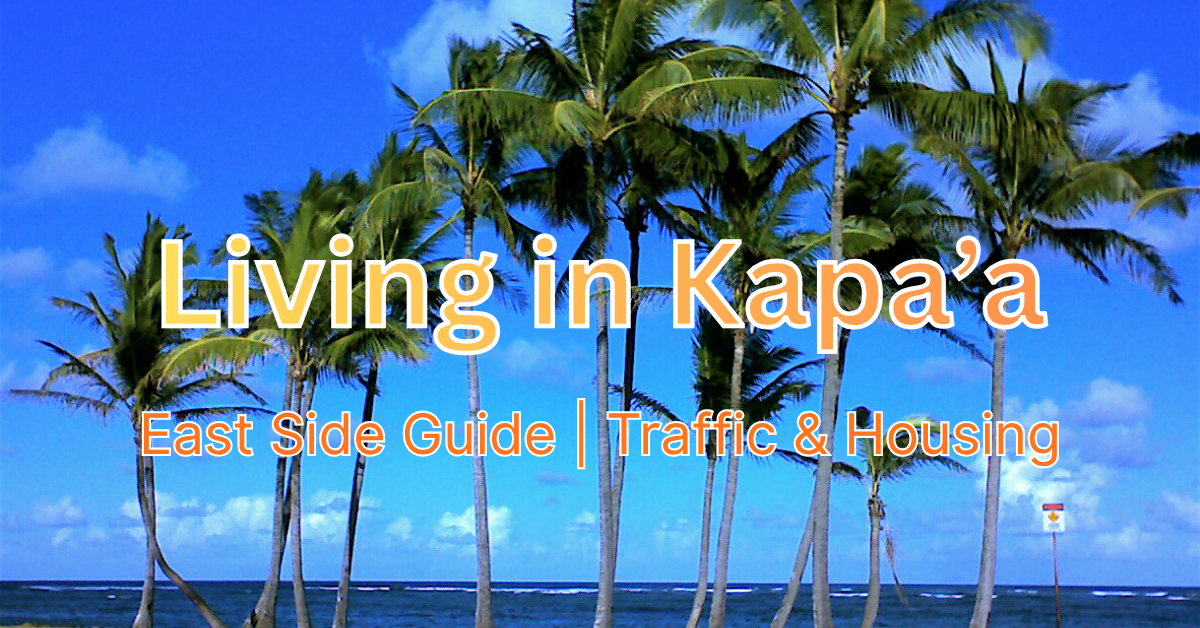
So you’re thinking about Kapaʻa. Smart choice, honestly. This little east side town has something that’s hard to find anywhere else in Hawaii—it’s got that perfect blend of local charm, convenience, and beach town energy without being overrun by tourists. Well, mostly.
Let me walk you through what it’s actually like to live here, because if you’re serious about making the move, you need the real story. Not the glossy brochure version, but the everyday reality of what makes Kapaʻa work (and what might drive you a little crazy).
The Kapaʻa Vibe: What You’re Getting Into
Kapaʻa is the most densely populated town on Kauaʻi, which sounds intimidating until you realize we’re talking about maybe 11,000 people. It stretches along the coast on the island’s east side, and it’s got this eclectic, slightly funky character that sets it apart from the resort areas down south or the quieter north shore.
The town center has that classic old Hawaii feel—wooden storefronts, locally owned shops, and a real sense of community. You’ve got your health food stores next to your plate lunch spots, art galleries mixed in with surf shops. It’s not trying to be anything other than what it is, which is refreshing.
What really makes Kapaʻa special is that it’s where actual residents live and work. Yeah, you’ll see tourists wandering through town, but this isn’t a place that shuts down when visitor numbers drop. The farmer’s market on Saturday mornings? That’s packed with locals. The taco truck by the beach park? That’s where you’ll run into your neighbors.
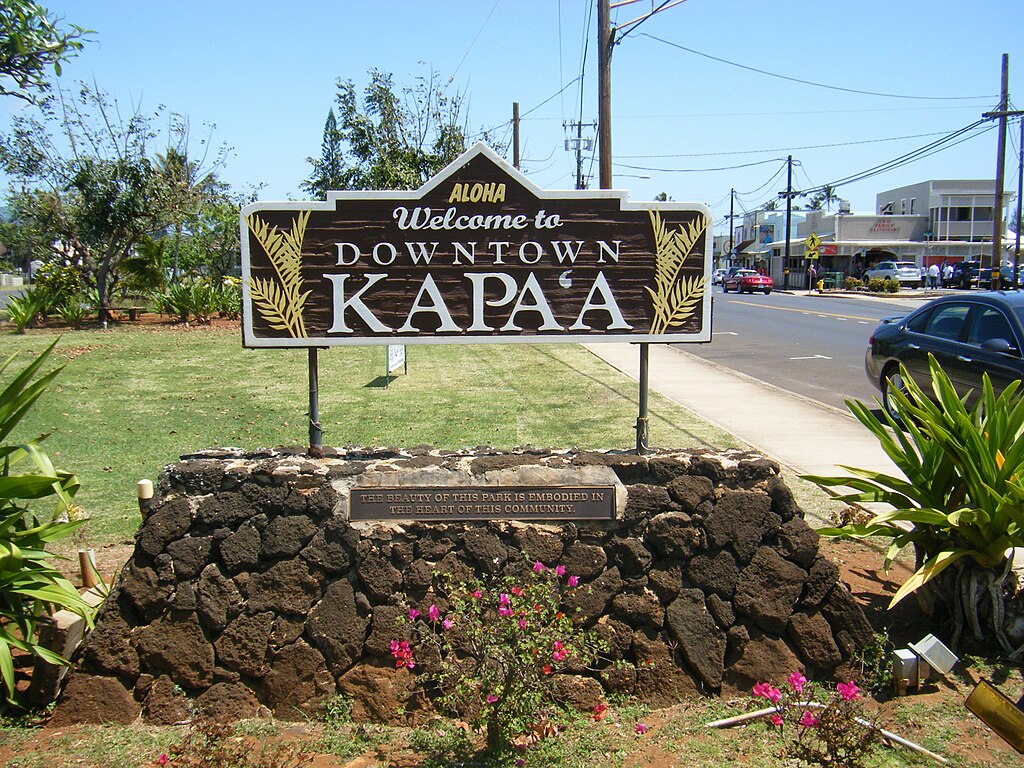
“Welcome to Kapa’a, Hawaii” by Travis.Thurston (CC BY-SA 3.0)
Housing: What’s Out There and What It’ll Cost You
Let’s talk about the housing situation, because this is probably your biggest concern. Kapaʻa has more housing stock than most Kauaʻi towns, which means you’ve actually got options. That’s the good news.
You’ll find everything from older plantation-style homes to newer developments, condos right in town, and some single-family homes in the neighborhoods that spread mauka (toward the mountains). The rental market is more active here than in other parts of the island, though that doesn’t mean it’s easy.
Here’s the reality on costs: A one-bedroom condo in town is going to run you anywhere from $1,800 to $2,500 a month, depending on condition and location. Two-bedroom places? Figure $2,500 to $3,500 or more. Single-family homes start around $3,000 and can go way up from there.
If you’re buying, the median home price in Kapaʻa hovers somewhere in the $800,000 to $900,000 range, though you can still occasionally find condos in the $500,000s. I know, I know—those numbers are rough. But compared to Princeville or Poipu? Kapaʻa is actually one of the more affordable options on the island.

“Kapa’a Beach looking south” by Travis.Thurston (CC BY-SA 3.0)
The housing stock itself is a mixed bag. You’ve got some beautifully maintained places and some that definitely need work. The older buildings in town have character but might come with aging infrastructure. The newer developments up in Waipouli or heading toward Kealia tend to have more modern amenities but less personality.
If you want to get a real sense of what’s currently available in Kapaʻa, check out the active listings here. The Agency Team Hawaii keeps their listings updated daily, and you can filter by price, bedrooms, and property type to see what actually fits your budget and needs. It’s way more useful than scrolling through outdated Zillow posts.
One thing to keep in mind: parking. If you’re looking at places in the town center, make sure you’ve got dedicated parking. Street parking can be a real pain, especially during high season.
The Traffic Situation: Let’s Be Honest
Okay, we need to talk about the elephant in the room—or more accurately, the endless line of cars crawling through town. Kapaʻa has traffic. Real traffic. The kind that makes you question your life choices when you’re trying to get to Costco in Lihue on a Saturday afternoon.
Here’s what’s happening: Kuhio Highway (Route 56) runs right through the heart of town, and it’s the main north-south artery for the entire east side. Everything that’s going from Lihue to Princeville or back has to funnel through Kapaʻa. Add in all the local traffic, tourists trying to find the beach, and delivery trucks making stops, and you’ve got a recipe for gridlock.

“View south along Hawaii State Route 56 (Kuhio Highway) at Mailihuna Road in Kapaa, Kauai, Hawaii” by Famartin (CC BY-SA 4.0)
The worst times? Weekday mornings from about 7:30 to 9:00 when everyone’s heading to work in Lihue, and afternoons from 3:30 to 5:30 on the return trip. Throw in a weekend when cruise ships are in port, and you might as well just stay home.
But here’s the thing—you learn to work around it. Really. The people who bitch the most about Kapaʻa traffic are usually the ones who haven’t figured out the rhythm yet. Here’s what actually works:
First, plan your errands strategically. Need to go south to Lihue? Leave before 7 AM or wait until after 9:30. Coming back? Either beat the afternoon rush or just accept that you’re getting dinner out that night.
Second, embrace the bypass road. There’s a shortcut that locals use to avoid the worst of the town center congestion. It’s not exactly a secret, but it helps.
Third, consider where you’re living in relation to where you need to be. If you work in Lihue, living on the south end of Kapaʻa makes more sense than being up by Kealia. If you work from home? Live wherever makes you happy and just avoid rush hour when possible.
And honestly? Once you’re home in Kapaʻa, you don’t really need to leave that often. The town has groceries, restaurants, beaches, the post office—pretty much everything you need for daily life. That’s actually one of Kapaʻa’s biggest advantages.
The Coastal Path: Your New Favorite Thing
Now for the good stuff. The Kapaʻa Beach Path, officially called Ke Ala Hele Makalae, is legitimately one of the best things about living here. It’s a paved multi-use path that runs for about 2.5 miles along the coastline, from the north end of town down toward Kealia Beach.
This path becomes part of your daily routine in the best possible way. Morning walk with your coffee? Coastal path. Afternoon bike ride? Coastal path. Evening run to clear your head after a frustrating Zoom meeting? You guessed it.
The path gives you front-row seats to sunrise over the ocean, and on a good day, you’ll see monk seals hauled out on the beach, sea turtles cruising the shallow water, and locals fishing from the rocks. There are benches placed along the way where you can just sit and watch the waves, which is honestly pretty good therapy.
It’s also where the community happens. You’ll recognize the same faces out there—the lady with the three dogs, the couple who power-walks every morning, the teenager practicing on his longboard. People are friendly, and you’ll start getting the “shaka” wave from your regular path-mates.
The path connects different parts of town and makes it easy to get around without a car if you’re just going short distances. Want to grab coffee at Java Kai or hit up the farmer’s market? Bike the path. Need to walk off that massive plate lunch from Pono Market? The path is your friend.
Making It Work: Is Kapaʻa Right for You?
So who thrives in Kapaʻa? People who want convenience without resort living. Folks who like having options—restaurants, shops, activities—without needing to drive 30 minutes for basics. Those who appreciate a more diverse, working-class community versus a manicured vacation vibe.
It’s good for remote workers who need reliable services and fast internet (yeah, you can actually get decent internet here). It’s solid for families because there are schools, parks, and other kids around. And it works for people who want to feel part of an actual community, not just living in paradise isolation.
Who might struggle? If you need absolute peace and quiet, Kapaʻa probably isn’t your spot. It’s got energy and noise and traffic and people. If you’re dreaming of rural privacy, look toward the north shore or west side. If you want upscale resort living, head south to Poipu.
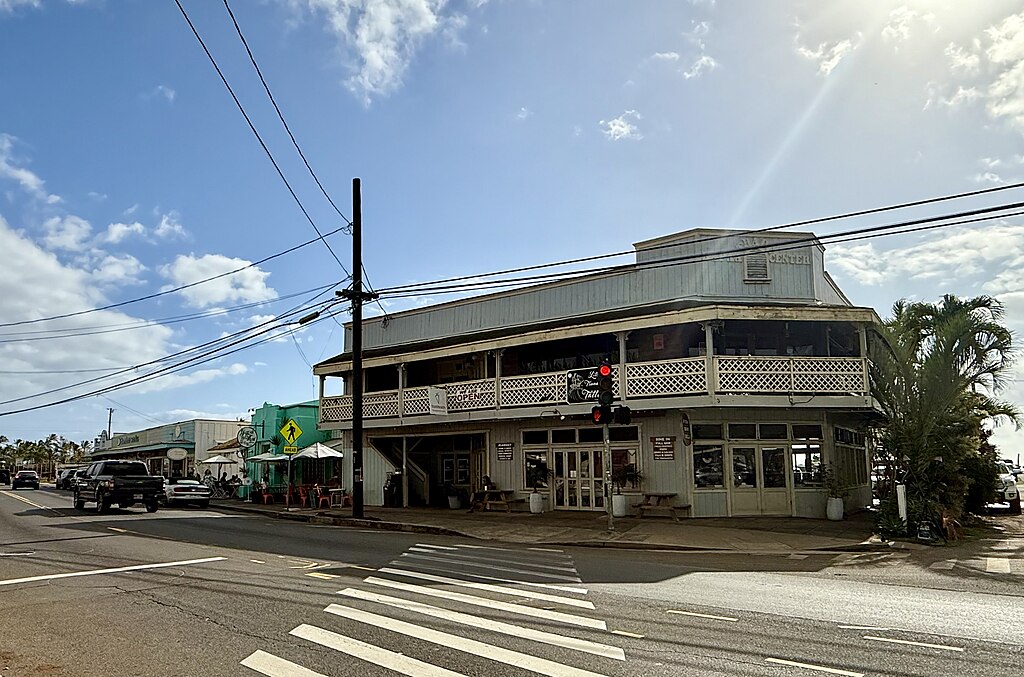
“Kapa’a, Hawaii” by Farragutful (CC BY-SA 4.0)
The Bottom Line
Living in Kapaʻa means accepting some trade-offs. Yes, there’s traffic. Yes, housing is expensive. Yes, it can get crowded. But you’re getting a real town with real life happening, incredible ocean access, and that rare thing in Hawaii—genuine community.
The traffic becomes just part of the rhythm. You learn the workarounds, adjust your schedule, and suddenly it’s not the nightmare you thought it would be. The housing costs are what they are across Hawaii, and at least here you’ve got options to choose from.
What you get in return is waking up to trade winds and ocean views, having the coastal path as your backyard, and living somewhere that actually functions as a town. You can walk to dinner, bike to the beach, and run into friends at the farmer’s market.
Is it perfect? No. Is anywhere? But if you’re looking for that sweet spot between convenience and island living, between community and coast, Kapaʻa deserves a serious look. Just maybe visit during afternoon rush hour first, so you know exactly what you’re signing up for.
And when you’re ready to make the move? Connect with The Agency Team Hawaii. They’re Hawaii’s best resource for real estate across the islands, and they actually know Kauaʻi inside and out. Whether you’re looking to rent or buy, they can help you navigate the market and find something that works for your situation and budget. Because let’s be real—finding the right place in Hawaii takes local knowledge, and these folks have it.



What do you think?