
Hawaii Firearm Laws for Moving: A 2026 Legal Guide
Moving to Hawaii is an exciting prospect, filled with the promise of stunning landscapes and a relaxed island lifestyle. However, if you’re a firearm owner, it’s crucial to understand that Hawaii’s firearm laws are among the strictest in the nation. Bringing your firearms to the islands requires careful planning and adherence to a complex web of regulations. This guide provides a comprehensive overview of Hawaii’s firearm laws for those moving to the state in 2026, ensuring a smooth and legal transition.
Understanding Hawaii’s Firearm Registration Requirements
One of the first things you’ll need to do when moving to Hawaii with firearms is to register them. Hawaii law mandates that all firearms, including those brought into the state, must be registered with the local police department within a specific timeframe.
The ‘What’: Registering your firearms involves providing detailed information about yourself and the firearm to the police department in the county where you reside. This includes your name, address, date of birth, and a description of each firearm, including its serial number, make, and model.
The ‘Why’: The registration requirement allows law enforcement to track firearms within the state, helping to prevent illegal gun sales and use. It also ensures that firearm owners are aware of their responsibilities under Hawaii law.
The ‘Insider Reality’: The registration process can be time-consuming and may require multiple visits to the police department. Be prepared to provide all required documentation and answer any questions the police may have. Failure to register your firearms within the required timeframe can result in fines or even criminal charges.
The Data: As of 2025, the registration fee is typically around $25 per firearm. The timeframe for registration is usually within 5 days of bringing the firearm into the state.
Key Steps in the Firearm Registration Process
- Gather Documentation: Collect all necessary documents, including proof of residency (e.g., driver’s license, utility bill), a valid form of identification, and detailed information about each firearm.
- Visit the Police Department: Go to the police department in your county and request a firearm registration form.
- Complete the Form: Fill out the form accurately and completely, providing all required information.
- Submit the Form: Submit the completed form along with the required documentation and registration fee.
- Receive Confirmation: Obtain a receipt or other form of confirmation that your firearms have been registered.
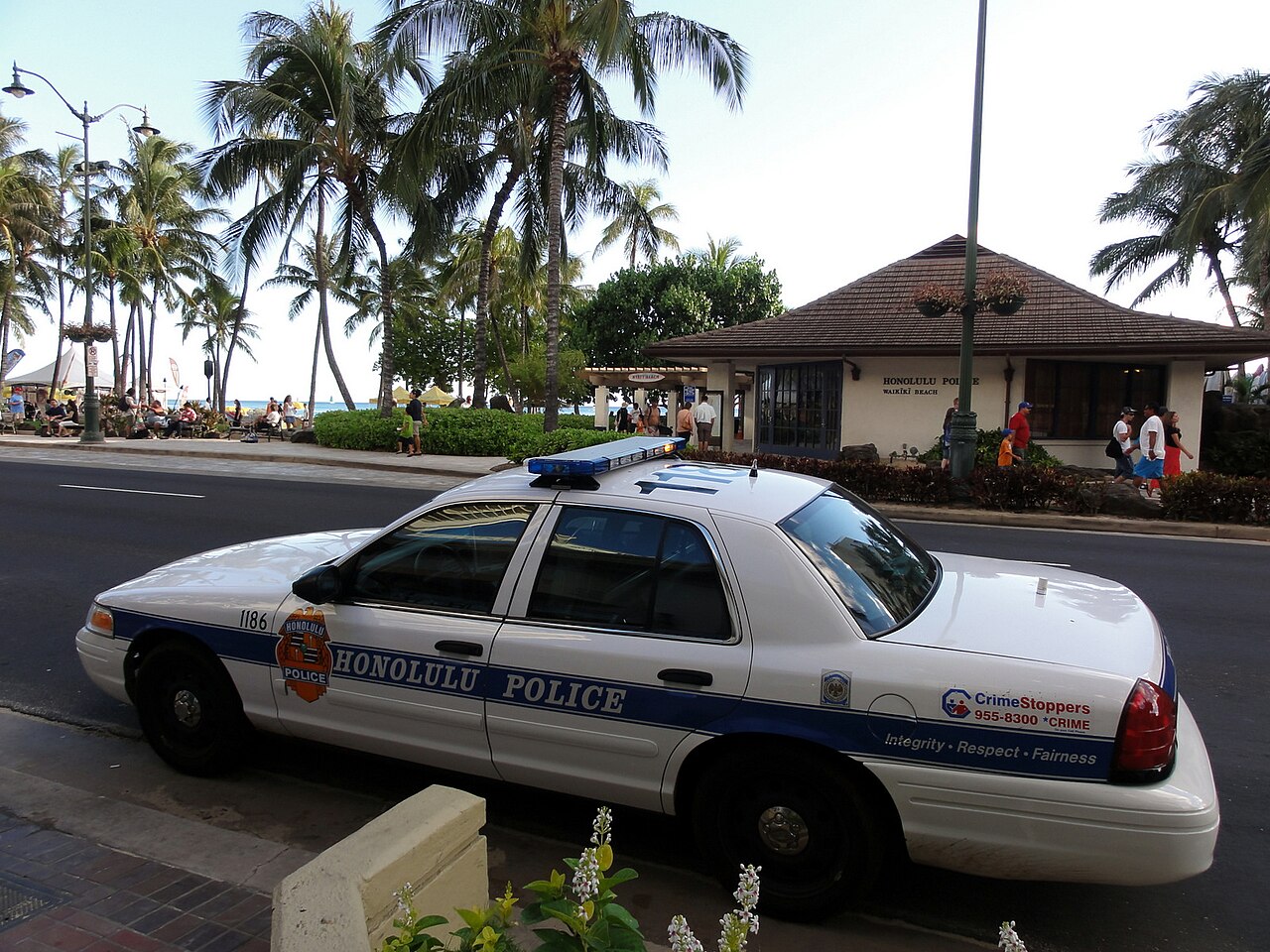
Photo by Cristo Vlahos / CC BY-SA 3.0
Obtaining a Permit to Acquire (PTA)
In addition to registration, Hawaii requires a Permit to Acquire (PTA) before you can legally purchase a handgun or certain other firearms. This permit is separate from the registration process and involves a background check and a waiting period.
The ‘What’: A PTA is a permit issued by the police department that allows you to purchase a handgun or other regulated firearm. It requires you to undergo a background check, provide fingerprints, and complete a firearms safety course.
The ‘Why’: The PTA requirement is intended to prevent firearms from falling into the hands of individuals who are prohibited from owning them, such as convicted felons or those with a history of domestic violence.
The ‘Insider Reality’: Obtaining a PTA can be a lengthy and bureaucratic process. The background check can take several weeks to complete, and you may be required to attend a firearms safety course even if you have prior experience with firearms.
The Data: The fee for a PTA is typically around $20. The waiting period for a PTA can range from 14 to 30 days, depending on the county.
Steps to Obtain a Permit to Acquire
- Complete a Firearms Safety Course: Enroll in and complete a firearms safety course approved by the police department.
- Submit an Application: Submit an application for a PTA to the police department in your county.
- Provide Fingerprints: Provide fingerprints as part of the background check process.
- Undergo a Background Check: Undergo a thorough background check to ensure you are not prohibited from owning firearms.
- Wait for Approval: Wait for the police department to approve your application and issue the PTA.
Restrictions on Specific Types of Firearms
Hawaii law places restrictions on certain types of firearms, including assault weapons, large-capacity magazines, and certain modifications. It’s crucial to understand these restrictions to avoid violating the law.
The ‘What’: Hawaii law defines “assault weapons” based on specific characteristics and features. Large-capacity magazines, typically defined as those capable of holding more than 10 rounds, are also restricted.
The ‘Why’: These restrictions are intended to reduce the potential for mass shootings and other gun violence.
The ‘Insider Reality’: The definition of “assault weapon” can be complex and subject to interpretation. It’s important to consult with an attorney or the police department to determine whether your firearms are considered “assault weapons” under Hawaii law. Bringing in firearms considered illegal can result in confiscation and criminal charges.
The Data: Penalties for possessing illegal firearms can include fines of up to $10,000 and imprisonment for up to 10 years.
Understanding “Assault Weapon” Restrictions
- Definition: Hawaii law defines “assault weapon” based on specific features, such as a pistol grip, folding stock, or threaded barrel.
- Prohibition: “Assault weapons” are generally prohibited in Hawaii, with limited exceptions for those who owned them prior to the ban.
- Registration: If you owned an “assault weapon” prior to the ban, you may be required to register it with the police department.


Safe Storage and Transportation Requirements
Hawaii law requires firearms to be stored and transported safely and securely to prevent theft and unauthorized use.
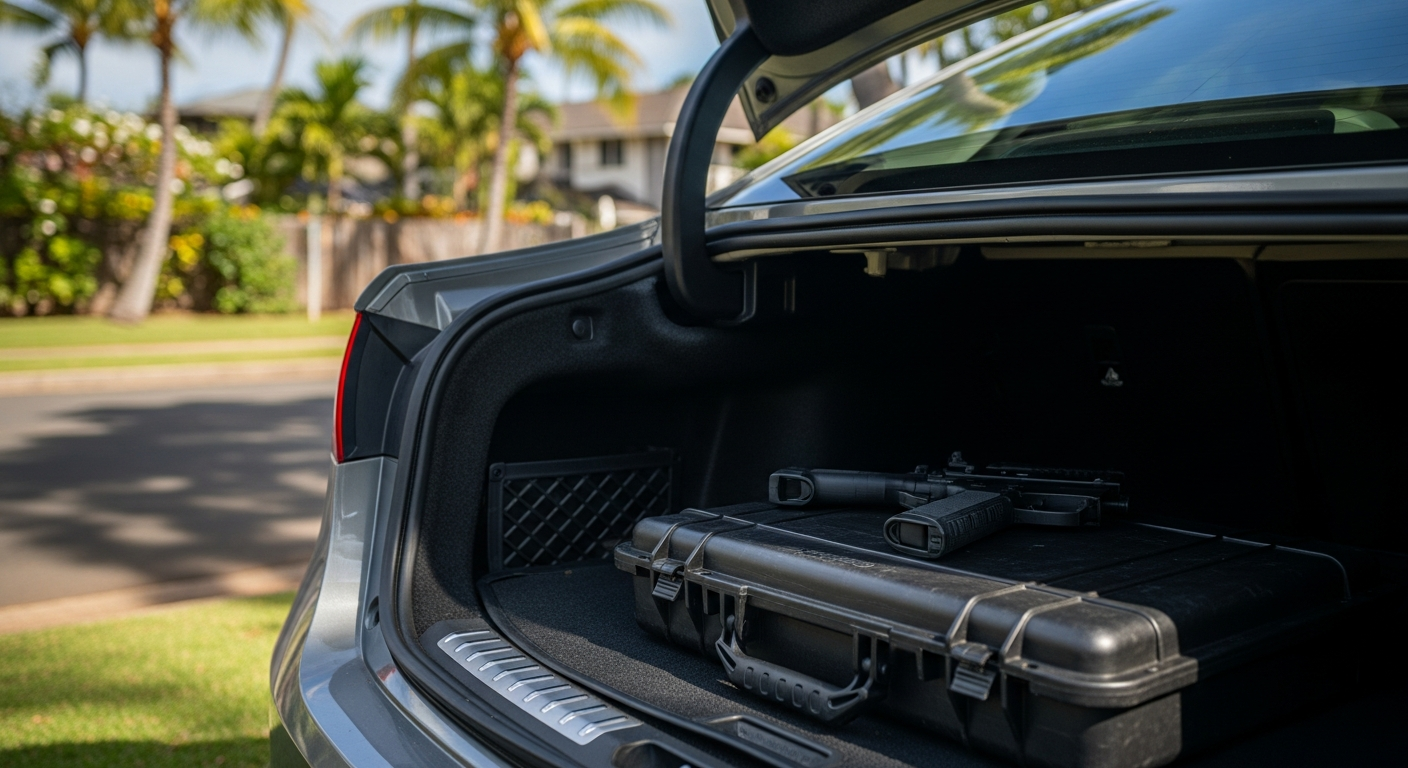
The ‘What’: Firearms must be stored unloaded in a locked container or with a trigger lock when not in use. When transporting firearms, they must be unloaded, encased, and kept separate from ammunition.
The ‘Why’: These requirements are intended to prevent accidental shootings, theft of firearms, and unauthorized access to firearms by children or prohibited individuals.
The ‘Insider Reality’: The police department may conduct inspections to ensure that firearms are being stored and transported safely. Failure to comply with these requirements can result in fines or even criminal charges. It’s also crucial to check airline regulations if transporting firearms by air.
The Data: Penalties for failing to safely store or transport firearms can include fines of up to $1,000 and imprisonment for up to one year.
Best Practices for Safe Storage and Transportation
- Store Firearms Unloaded: Always store firearms unloaded when not in use.
- Use a Locked Container: Store firearms in a locked container, such as a gun safe or lockbox.
- Use a Trigger Lock: If a locked container is not available, use a trigger lock to prevent the firearm from being fired.
- Transport Firearms Encased: When transporting firearms, they must be encased in a gun case or other secure container.
- Keep Ammunition Separate: Keep ammunition separate from firearms during transportation.
Open Carry and Concealed Carry Laws
Hawaii has strict laws regarding open carry and concealed carry of firearms. Generally, open carry is prohibited, and concealed carry requires a permit that is difficult to obtain.
The ‘What’: Open carry, or carrying a firearm openly in public, is generally prohibited in Hawaii. Concealed carry, or carrying a firearm hidden from view, requires a permit.
The ‘Why’: Hawaii’s strict gun control laws reflect a concern for public safety and a desire to minimize gun violence.
The ‘Insider Reality’: Obtaining a concealed carry permit in Hawaii is very difficult. The police department has broad discretion in issuing permits and typically requires a showing of “good cause,” which is difficult to establish. Simply wanting to carry a firearm for self-defense is usually not sufficient.
The Data: Very few concealed carry permits are issued in Hawaii each year. The exact number varies by county but is typically in the single digits.
Understanding the Requirements for a Concealed Carry Permit
- Demonstrate “Good Cause”: You must demonstrate a specific and credible threat to your safety that justifies the need to carry a concealed firearm.
- Complete a Firearms Training Course: You must complete a firearms training course approved by the police department.
- Undergo a Background Check: You must undergo a thorough background check.
- Obtain Approval: You must obtain approval from the police department, which is discretionary.
Penalties for Violating Hawaii Firearm Laws
Violating Hawaii’s firearm laws can result in severe penalties, including fines, imprisonment, and the loss of your right to own firearms.
The ‘What’: Penalties for violating Hawaii’s firearm laws vary depending on the specific offense. They can include fines, imprisonment, and the forfeiture of firearms.
The ‘Why’: These penalties are intended to deter illegal gun activity and protect public safety.
The ‘Insider Reality’: Even seemingly minor violations of Hawaii’s firearm laws can result in significant penalties. It’s crucial to understand and comply with all applicable laws to avoid legal trouble.
The Data: Fines for violating Hawaii’s firearm laws can range from hundreds of dollars to tens of thousands of dollars. Imprisonment sentences can range from months to years.
Common Violations and Their Penalties
- Failure to Register a Firearm: Fines of up to $1,000 and imprisonment for up to one year.
- Possession of an Unregistered Firearm: Fines of up to $10,000 and imprisonment for up to five years.
- Possession of an “Assault Weapon”: Fines of up to $10,000 and imprisonment for up to 10 years.
- Failure to Safely Store a Firearm: Fines of up to $1,000 and imprisonment for up to one year.
Resources for Firearm Owners Moving to Hawaii
Navigating Hawaii’s firearm laws can be challenging. Here are some resources to help you understand your rights and responsibilities:
- Hawaii Police Department: Contact the police department in your county for information on firearm registration, permits, and other regulations.
- Hawaii Revised Statutes: Consult the Hawaii Revised Statutes for the official text of Hawaii’s firearm laws.
- Attorneys Specializing in Firearm Law: Seek legal advice from an attorney specializing in firearm law in Hawaii.
- Gun Owners of America (GOA): Stay up-to-date on firearm laws and regulations, and advocate for your Second Amendment rights.

By understanding and complying with Hawaii’s firearm laws, you can ensure a smooth and legal transition to island life. Remember to register your firearms, obtain the necessary permits, and store and transport your firearms safely. While the process may seem daunting, proper preparation and adherence to the law will help you avoid legal trouble and enjoy your time in Hawaii responsibly.
Leave A Comment