
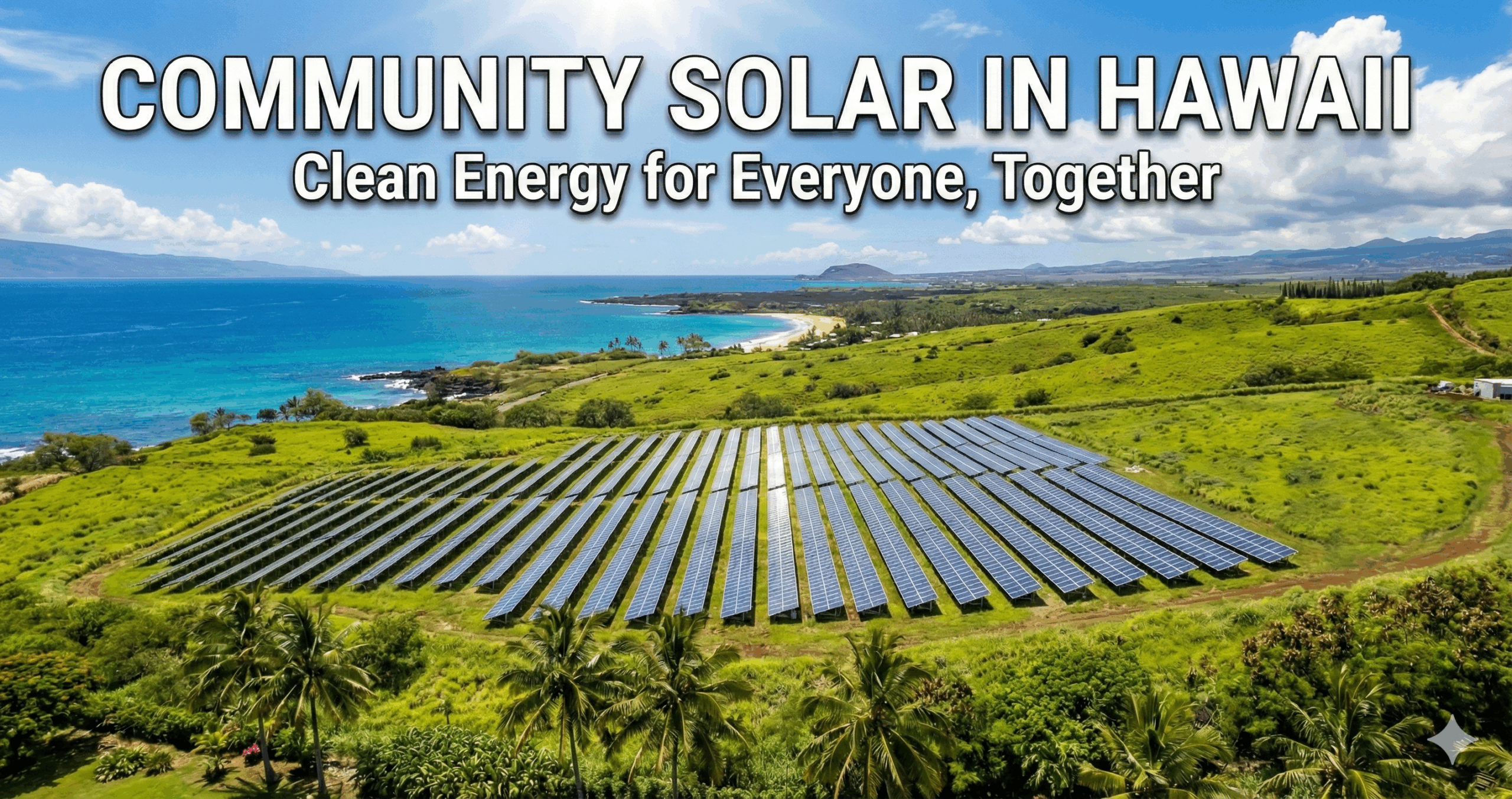
Community Solar in Hawaii
How the Programs Work, Who Qualifies, and What You Can Save
Electricity in Hawaii is expensive, and not everyone can install rooftop solar. Many people rent, live in condos, or have shaded roofs that make solar installation impossible. Community solar was created to fix that. It gives you access to clean energy and lower bills without installing anything on your home.
If you are evaluating a move to Hawaii or comparing energy costs in different neighborhoods, The Agency Team Hawaii can help you factor this into your housing search.
https://www.theagencyteamhawaii.com/
Below is a clear explanation of how community solar works, who qualifies, and where you can find official signup information.
What Community Solar Means in Hawaii
Community solar in Hawaii operates under the state’s Community-Based Renewable Energy Program (CBRE). This allows residents to subscribe to a shared solar project and receive credits directly on their Hawaiian Electric bill.
Official explanation:
Hawaiian Electric CBRE Program
https://www.hawaiianelectric.com/products-and-services/customer-renewable-programs/community-based-renewable-energy
You do not need to install equipment, change your service panel, or modify your home. Bill credits simply reduce what you owe each month.

La Ola Solar Farm, U.S. Department of Energy.
Who Is Eligible for Community Solar
You may be eligible if you receive electricity from Hawaiian Electric on Oahu, Maui County, or Hawaii Island. Most residents can enroll, including:
• Renters
• Condo and apartment residents
• Homeowners without suitable roofs
• People planning to move within a few years
• Low and moderate income households (LMI programs available)
General eligibility guidance:
Hawaii State Energy Office overview of community solar
https://energy.hawaii.gov/renewable-energy/community-based-renewable-energy-cbre/
Programs include special reserved spots for income-qualified households, offering some of the highest savings percentages statewide.
How Subscribing Works
Subscribing usually takes a few minutes online. You choose a project, decide how large of a subscription you want, and give Hawaiian Electric your account information.
Once you are enrolled, your share of the solar project generates bill credits. These credits appear directly on your Hawaiian Electric statement.
Current available community solar projects and signups:
https://communitysolarhawaii.com/projects/
This site is approved and tracked through the CBRE program. It lists open projects by island.

Fastrack 510 installation, Sollega, CC BY-SA 4.0.
How Much Money You Can Save
Typical savings range from 10 to 20 percent depending on the project. Income-qualified plans can sometimes offer higher savings.
Your bill continues to come from Hawaiian Electric and will still reflect your electricity usage, but the credits reduce your total amount owed.
Rate details and program structure:
Hawaiian Electric rate information
https://www.hawaiianelectric.com/billing-and-payment/rates
Savings are not identical to owning rooftop solar, but there is no upfront cost and no long-term contract in most cases.
What Happens if You Move
Community solar is flexible. If you move within Hawaiian Electric’s service territory, you can usually transfer your subscription. If you move off island or outside the service area, you simply cancel.
Most projects allow cancellation at any time with no penalty, especially the residential-focused ones.
Important Rules to Know
Before you sign up, here are a few things to keep in mind:
• Projects may have limited availability
• Credits appear on your normal bill
• You should not subscribe above your typical usage
• Output varies with weather and season
• Some programs prioritize income-qualified residents
More program rules and fine print:
Hawaiian Electric CBRE FAQ
https://www.hawaiianelectric.com/products-and-services/customer-renewable-programs/community-based-renewable-energy/phase-2

Waipio Peninsula Solar Farm, U.S. Navy / NAVFAC.
Is Community Solar a Good Fit for You
Community solar is ideal if you rent, live in a condo, or simply prefer a no-install, low-risk option. It lowers your monthly bill and supports Hawaii’s renewable goals. With flexible enrollment and no equipment required, it is one of the easiest clean energy choices available.
If you are considering a move to Hawaii or want to compare homes and neighborhoods based on energy costs, The Agency Team Hawaii can help you weigh your options and understand what living in each area actually costs.
Explore Oahu, Maui, and Big Island communities here:
https://www.theagencyteamhawaii.com/



Leave A Comment