
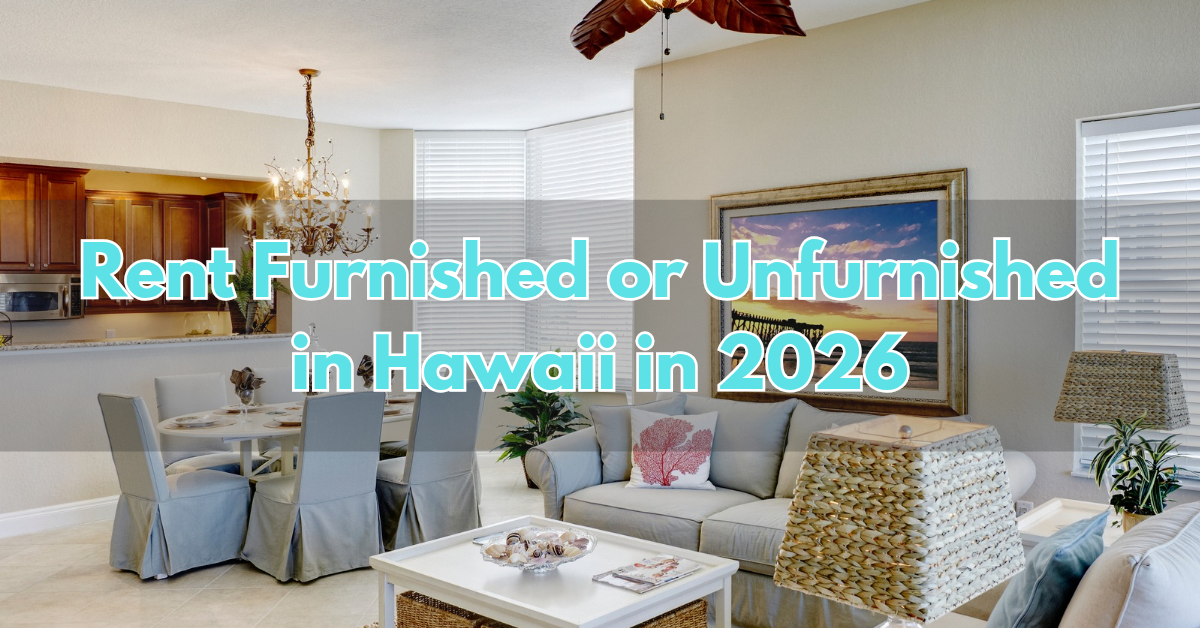
Rent Furnished or Unfurnished in Hawaii in 2026: A Renter’s Guide
So, you’re thinking about renting in Hawaii? Awesome! One of the first big decisions you’ll face is whether to rent a furnished or unfurnished place. It might seem straightforward, but in the unique context of the islands, there are a lot of factors to consider – from cost and convenience to lifestyle and long-term plans. This guide will walk you through everything you need to know to make the right choice for your situation.
Understanding the Hawaii Rental Market
Before diving into the specifics of furnished vs. unfurnished, it’s important to understand the overall rental landscape in Hawaii. Demand is consistently high, especially on Oahu, and prices reflect that. Inventory can be tight, and competition for desirable rentals can be fierce. Knowing this upfront will help you manage your expectations and be prepared to act quickly when you find a place you like.
The rental market in Hawaii is influenced by several factors, including tourism, military presence, and a limited supply of housing. These factors contribute to higher rental rates compared to many areas on the Mainland. Be prepared for higher security deposits as well, often equal to one month’s rent or more.
The Impact of Tourism
Tourism plays a significant role in the Hawaii rental market. Many property owners opt to rent their units as short-term vacation rentals, especially through platforms like Airbnb and VRBO. This reduces the availability of long-term rentals, driving up prices for those seeking longer leases.
Military Influence
Hawaii has a large military population, and many service members and their families choose to rent housing off-base. This creates a consistent demand for rentals, especially in areas close to military bases like Pearl Harbor and Schofield Barracks. Landlords often cater to the military community, offering flexible lease terms and accepting military housing allowances.
Furnished vs. Unfurnished: Defining the Terms
Let’s clarify what we mean by “furnished” and “unfurnished” in the context of Hawaii rentals.
- Furnished: Typically includes essential furniture such as a bed, sofa, dining table, chairs, and basic kitchen appliances (refrigerator, stove/oven). Some furnished rentals may also include smaller appliances like a microwave and toaster, as well as cookware, dishes, and linens. However, the level of “furnishing” can vary widely, so it’s crucial to confirm exactly what’s included before signing a lease.
- Unfurnished: Generally means the unit comes with only basic appliances (refrigerator, stove/oven) and possibly window coverings. You’ll need to provide all other furniture and household items. Some unfurnished rentals may include a washer and dryer, but this is not always the case.
Gray Areas and Variations
It’s important to note that there’s no strict standard for what constitutes “furnished” or “unfurnished.” You might encounter rentals that fall somewhere in between, offering partial furnishings or a mix of provided and tenant-supplied items. Always ask for a detailed inventory list and photos to avoid any surprises.
The Pros and Cons of Renting Furnished
Renting a furnished apartment in Hawaii can be a convenient option, especially for newcomers or those seeking a short-term lease. However, it also comes with potential drawbacks.
Pros of Furnished Rentals
- Convenience: The biggest advantage is the immediate convenience. You can move in with just your personal belongings and start living comfortably right away. This is especially appealing if you’re relocating from the Mainland and don’t want to deal with the hassle and expense of shipping furniture.
- Cost Savings (Potentially): If you don’t already own furniture, renting furnished can save you the upfront cost of buying everything new. This can be a significant advantage, especially considering the higher cost of living in Hawaii.
- Short-Term Flexibility: Furnished rentals are ideal for short-term stays or temporary assignments. You can avoid the commitment of buying furniture that you may not need or want when you move again.
- Ideal for Tourists/Newcomers: If you’re just testing the waters of living in Hawaii, a furnished rental lets you experience the lifestyle without a huge initial investment.
Cons of Furnished Rentals
- Higher Rent: Furnished rentals typically command higher monthly rent compared to unfurnished units. This premium reflects the added value of the furniture and appliances provided.
- Limited Selection: The availability of furnished rentals may be more limited than unfurnished options, especially in certain neighborhoods or price ranges.
- Style Limitations: You’re stuck with the landlord’s taste in furniture, which may not match your personal style. You may also be restricted from making changes or adding your own furniture.
- Wear and Tear Responsibility: You’re responsible for any damage to the furniture beyond normal wear and tear. This can lead to disputes with the landlord and potential deductions from your security deposit.
The Pros and Cons of Renting Unfurnished
Renting an unfurnished apartment in Hawaii offers more flexibility and control over your living space, but it also requires a greater upfront investment and effort.
Pros of Unfurnished Rentals
- Lower Rent: Unfurnished rentals generally have lower monthly rent compared to furnished units. This can result in significant savings over the long term.
- Personalization: You have complete freedom to furnish and decorate the apartment to your own taste. This allows you to create a living space that truly reflects your personality and lifestyle.
- Long-Term Investment: Buying your own furniture is a long-term investment. You can take it with you when you move, and you’ll build equity in your belongings.
- Wider Selection: There are typically more unfurnished rentals available than furnished options, giving you a wider range of choices in terms of location, size, and amenities.
Cons of Unfurnished Rentals
- Upfront Costs: The initial cost of buying furniture and household items can be substantial. This can be a significant barrier for those on a tight budget.
- Moving Hassle: Moving furniture is a major undertaking, especially when relocating from the Mainland. You’ll need to arrange for shipping or purchase everything new upon arrival.
- Time Commitment: Furnishing an apartment takes time and effort. You’ll need to shop for furniture, assemble it, and arrange for delivery.
- Disposal Challenges: When you eventually move, you’ll need to deal with disposing of or selling your furniture. This can be time-consuming and potentially costly.
Key Considerations for Your Decision
Here are some key questions to ask yourself when deciding whether to rent furnished or unfurnished in Hawaii:
- What’s your budget? Can you afford the higher rent of a furnished apartment, or would you prefer to save money and invest in your own furniture?
- How long do you plan to stay? If you’re only staying for a short time, a furnished rental may be the more practical choice. If you plan to stay long-term, buying your own furniture may be a better investment.
- Do you already own furniture? If you already have furniture, shipping it to Hawaii may be more cost-effective than buying everything new. However, consider the shipping costs and potential for damage during transit.
- What’s your personal style? Do you want to have complete control over the look and feel of your living space, or are you willing to accept the landlord’s furniture choices?
- How much time and effort are you willing to invest? Furnishing an apartment takes time and effort. Are you prepared to handle the shopping, assembly, and moving tasks involved?
Location, Location, Location: How Neighborhoods Impact Furnished vs. Unfurnished Options
The neighborhood you choose can also influence the availability and desirability of furnished vs. unfurnished rentals.
- Waikiki: Heavily geared towards tourists, Waikiki has a high concentration of furnished apartments and condos available for short-term or long-term rent. These are often more expensive due to the prime location.
- Downtown Honolulu: Similar to Waikiki, Downtown Honolulu offers a mix of furnished and unfurnished apartments, catering to professionals and students.
- University Area (Manoa, Moiliili): These areas tend to have a higher demand for unfurnished rentals, as students and long-term residents often prefer to bring their own furniture.
- Suburban Areas (Mililani, Kapolei): These areas offer a mix of furnished and unfurnished rentals, often with more spacious layouts and family-friendly amenities. Kapolei, in particular, has seen a boom in new construction, leading to a greater availability of both types of rentals. While the newer homes are attractive, be aware that commute times to Honolulu during peak hours can be significant (90 minutes or more).
- Rural Areas (North Shore, Windward Coast): These areas tend to have fewer rental options overall, and the availability of furnished rentals may be limited.
Pros & Cons: Comparing Neighborhoods for Rental Types
| Neighborhood | Pros | Cons |
|———————|————————————————————————————————————————————-|————————————————————————————————————————————–|
| Waikiki | Abundance of furnished rentals, convenient location, close to beaches and attractions | Higher rent, touristy atmosphere, limited parking |
| Downtown Honolulu | Mix of furnished and unfurnished, close to jobs and amenities, good public transportation | Higher rent, limited green space, potential for noise |
| University Area | More affordable unfurnished options, close to universities, vibrant student life | Limited parking, smaller units, potential for noise |
| Suburban Areas | More spacious layouts, family-friendly amenities, mix of furnished and unfurnished | Longer commute to Honolulu, reliance on cars, fewer entertainment options |
| Rural Areas | Quieter atmosphere, closer to nature, potential for lower rent (depending on location) | Limited rental options, reliance on cars, fewer amenities and services |
Making the Right Choice for You
Ultimately, the decision of whether to rent furnished or unfurnished in Hawaii depends on your individual circumstances and priorities. Carefully weigh the pros and cons of each option, consider your budget and lifestyle, and research the rental market in your desired neighborhood.
Don’t be afraid to ask questions and negotiate with landlords. Clarify what’s included in the rental agreement, and be sure to document the condition of the property before you move in. With careful planning and research, you can find the perfect rental to call home in paradise.
Leave A Comment