
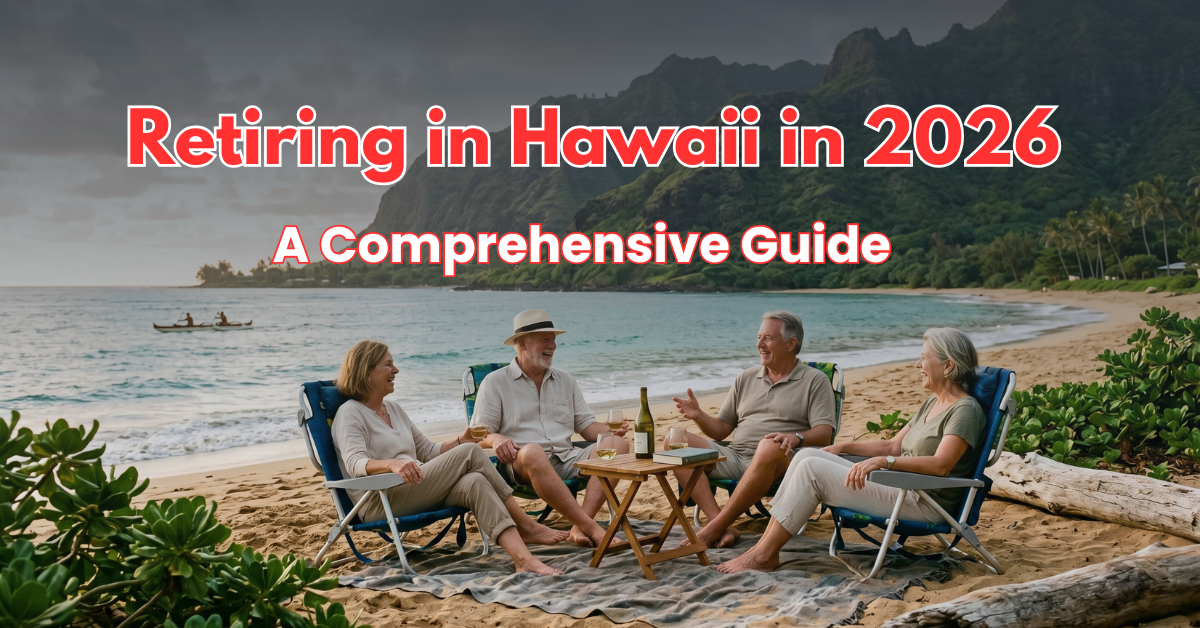
Retiring in Hawaii in 2026: A Comprehensive Guide
Dreaming of spending your golden years surrounded by stunning beaches, lush landscapes, and a warm, welcoming culture? Retiring in Hawaii is a dream for many, but making that dream a reality requires careful planning and a realistic understanding of the unique challenges and opportunities the islands offer. As we approach 2026, it’s essential to have the most up-to-date information on costs, healthcare, lifestyle, and practical considerations for a smooth transition.
This comprehensive guide will walk you through everything you need to know about retiring in Hawaii in 2026, providing insights into the financial aspects, healthcare options, lifestyle considerations, and the overall realities of island living. We’ll explore different islands, compare their unique offerings, and help you determine if retiring in Hawaii is the right choice for you.
Is Retiring in Hawaii Right for You?
Before diving into the specifics, it’s crucial to assess whether retiring in Hawaii aligns with your personal and financial goals. Hawaii offers a unique lifestyle that appeals to many, but it also comes with certain challenges that need to be carefully considered.
The Allure of Island Life
Hawaii’s appeal is undeniable. The year-round tropical climate, breathtaking natural beauty, and laid-back atmosphere attract retirees seeking a peaceful and fulfilling retirement. Imagine waking up to the sound of waves, spending your days exploring pristine beaches, and enjoying a vibrant culture rooted in aloha. The islands offer a wide range of activities, from hiking and water sports to cultural events and volunteer opportunities.
The Realities of Island Living
However, it’s important to be aware of the realities of island living. Hawaii has a significantly higher cost of living than most places on the Mainland, particularly when it comes to housing, food, and transportation. Limited job opportunities, potential isolation from family and friends, and the unique challenges of island infrastructure are also factors to consider.
Self-Assessment: Key Questions to Ask Yourself
- Can I afford it? Create a detailed budget that accounts for housing, healthcare, food, transportation, and other expenses.
- Am I comfortable with a slower pace of life? Island life is generally more relaxed, which can be a welcome change for some but frustrating for others.
- How important is it to be close to family and friends? Consider the distance and cost of travel to visit loved ones on the Mainland.
- Am I prepared for potential natural disasters? Hawaii is prone to hurricanes, earthquakes, and volcanic activity.
- Do I embrace diversity and different cultures? Hawaii is a melting pot of cultures, and it’s important to be respectful and open-minded.

Understanding the Cost of Living
The cost of living is arguably the most significant factor to consider when planning your retirement in Hawaii. It’s substantially higher than the national average, and careful budgeting is essential for a comfortable retirement. For more information, checkout our comprehensive Cost Of Living in Hawaii section on our website.
Housing Costs: A Major Expense
Housing is the biggest driver of Hawaii’s high cost of living. Whether you choose to rent or buy, expect to pay significantly more than you would on the Mainland. As of 2023, the median home price on Oahu, for example, hovers around $1.1 million, while rental costs for a one-bedroom apartment can easily exceed $2,000 per month. To see up to date property listings in Hawaii, feel free to browse properties on our real estate partner site: The Agency Team Hawaii Property Search
Factors Influencing Housing Costs:
- Island: Oahu is generally the most expensive, followed by Maui and Kauai. The Big Island offers more affordable options in certain areas.
- Location: Coastal properties and those in popular tourist areas command a premium.
- Type of Housing: Condos are typically more affordable than single-family homes.
- Market Fluctuations: Housing prices can fluctuate based on economic conditions and demand.
Other Essential Expenses
Beyond housing, other essential expenses also contribute to the high cost of living.
- Food: Expect to pay more for groceries, especially for imported items. Locally grown produce and seafood can be more affordable, but availability may vary.
- Utilities: Electricity costs are significantly higher than the national average due to Hawaii’s reliance on imported oil. Water and sewer costs can also be substantial.
- Transportation: Owning a car is almost a necessity in most areas of Hawaii, and gas prices are typically higher than on the Mainland. Public transportation is available but may be limited in certain areas.
- Healthcare: While healthcare costs are generally comparable to the Mainland, access to specialists and certain medical services may be limited, particularly on the outer islands.
Budgeting Tips for Retiring in Hawaii
- Create a Detailed Budget: Track your income and expenses to identify areas where you can save money.
- Consider Downsizing: Selling your home on the Mainland and moving to a smaller, more affordable property in Hawaii can free up significant capital.
- Explore Different Islands: The Big Island offers more affordable housing options than Oahu or Maui.
- Embrace Local Products: Shop at farmers’ markets and buy locally grown produce and seafood to save on food costs.
- Take Advantage of Senior Discounts: Many businesses offer discounts to seniors, so be sure to ask.

Healthcare in Hawaii: What Retirees Need to Know
Access to quality healthcare is a critical consideration for retirees. Hawaii offers a range of healthcare options, but it’s important to understand the nuances of the system.
Medicare and Medicare Advantage
Medicare is widely accepted in Hawaii, and many retirees choose to enroll in a Medicare Advantage plan for additional coverage. However, it’s important to check with your provider to ensure that they are in-network in Hawaii.
Healthcare Providers and Hospitals
Hawaii has a network of hospitals and healthcare providers, but access to specialists and certain medical services may be limited, particularly on the outer islands. Oahu has the most comprehensive healthcare facilities, including major hospitals and medical centers.
Long-Term Care Options
Long-term care can be expensive in Hawaii, and it’s important to plan ahead. Options include nursing homes, assisted living facilities, and home healthcare services. Consider purchasing long-term care insurance to help cover these costs.
Health and Wellness
Hawaii’s healthy lifestyle can contribute to overall well-being. The warm climate, access to outdoor activities, and emphasis on healthy eating can help retirees stay active and maintain their health.
For more information, checkout a few videos explaining Mecical Coverage in Hawaii:
Choosing the Right Island for Your Retirement
Each of Hawaii’s islands offers a unique lifestyle and set of advantages. Consider your priorities and preferences when choosing the right island for your retirement.
Oahu: The Urban Island
Oahu is the most populated and developed island, offering a vibrant urban lifestyle with a wide range of amenities, cultural attractions, and entertainment options. Honolulu, the state capital, is located on Oahu and offers a diverse range of restaurants, shops, and museums.
Pros:
- Wide range of healthcare facilities and specialists
- Abundant shopping and dining options
- Numerous cultural attractions and events
- Good public transportation system
Cons:
- Highest cost of living in Hawaii
- Heavy traffic congestion
- More crowded beaches and tourist areas
Maui: The Valley Isle
Maui is known for its stunning beaches, lush valleys, and world-class resorts. It offers a more laid-back lifestyle than Oahu, but still has a good selection of amenities and services.
Pros:
- Beautiful beaches and natural scenery
- Excellent golf courses and water sports
- Good selection of restaurants and shops
- More relaxed pace of life
Cons:
- Higher cost of living than the Big Island
- Limited public transportation
- Fewer healthcare options than Oahu
Kauai: The Garden Isle
Kauai is the oldest and greenest of the main Hawaiian Islands, known for its dramatic cliffs, lush rainforests, and pristine beaches. It offers a more secluded and natural environment, perfect for retirees seeking peace and tranquility.
Pros:
- Stunning natural beauty and outdoor activities
- Peaceful and secluded environment
- Friendly and welcoming community
- Lower crime rate than Oahu
Cons:
- Limited healthcare options
- Fewer shopping and dining options
- Higher cost of living than the Big Island
- Limited job opportunities
The Big Island: The Island of Adventure
The Big Island is the largest and most diverse of the Hawaiian Islands, offering a wide range of landscapes, from active volcanoes to snow-capped mountains. It’s also the most affordable island, making it an attractive option for retirees on a budget.
Pros:
- Most affordable island in Hawaii
- Diverse landscapes and outdoor activities
- Friendly and welcoming community
- Less crowded than Oahu or Maui
Cons:
- Limited healthcare options in some areas
- Long distances between towns
- Active volcano and potential for natural disasters
Making the Move: Practical Considerations
Once you’ve decided that retiring in Hawaii is right for you, it’s time to start planning the logistics of your move.
Finding Housing
Start your housing search well in advance of your move. Consider renting a place for a few months to get a feel for different neighborhoods and islands before committing to a purchase. Work with a local real estate agent who specializes in helping retirees find housing.
Shipping Your Belongings
Shipping your belongings to Hawaii can be expensive, so it’s important to get multiple quotes from reputable moving companies. Consider selling or donating items that you don’t need to reduce the cost of shipping.
Establishing Residency
To establish residency in Hawaii, you’ll need to obtain a Hawaii driver’s license, register your vehicle, and open a bank account. You’ll also need to file a state income tax return.
Connecting with the Community
Hawaii has a welcoming and diverse community. Get involved in local activities, join clubs and organizations, and volunteer your time to connect with others and make new friends.
Embracing the Aloha Spirit
Retiring in Hawaii is more than just a change of scenery; it’s a lifestyle transformation. Embrace the aloha spirit, be respectful of the local culture, and immerse yourself in the beauty and tranquility of the islands. With careful planning and a positive attitude, you can make your dream of retiring in Hawaii a reality.

Leave A Comment