
Off Grid Living in Hawaiʻi: What Buyers Need to Know Before They Commit
Photos By Maile Woodhall
Off grid living in Hawai‘i is one of the most common goals I hear from buyers across the island.
The idea of independence is powerful. No utility bills, more control over your resources, and the ability to live in rhythm with the land. For many people looking at agricultural land in Kona, Ka‘ū, or across Hawai‘i Island, it feels like the ultimate lifestyle.
But the reality is this.
Off grid living is not just a lifestyle. It is a system.
And the success of that system comes down to proper sizing, redundancy, and consistent maintenance.
I grew up living off grid here on Hawai‘i Island, so for me this was never theoretical. It was daily life. I learned early on that a cloudy week meant watching the batteries closely and sometimes starting the generator before dinner because the sun did not quite get you there.
If you are considering buying off grid land in Hawai‘i, this is what you need to understand before you commit.
Electricity Planning for Resilience
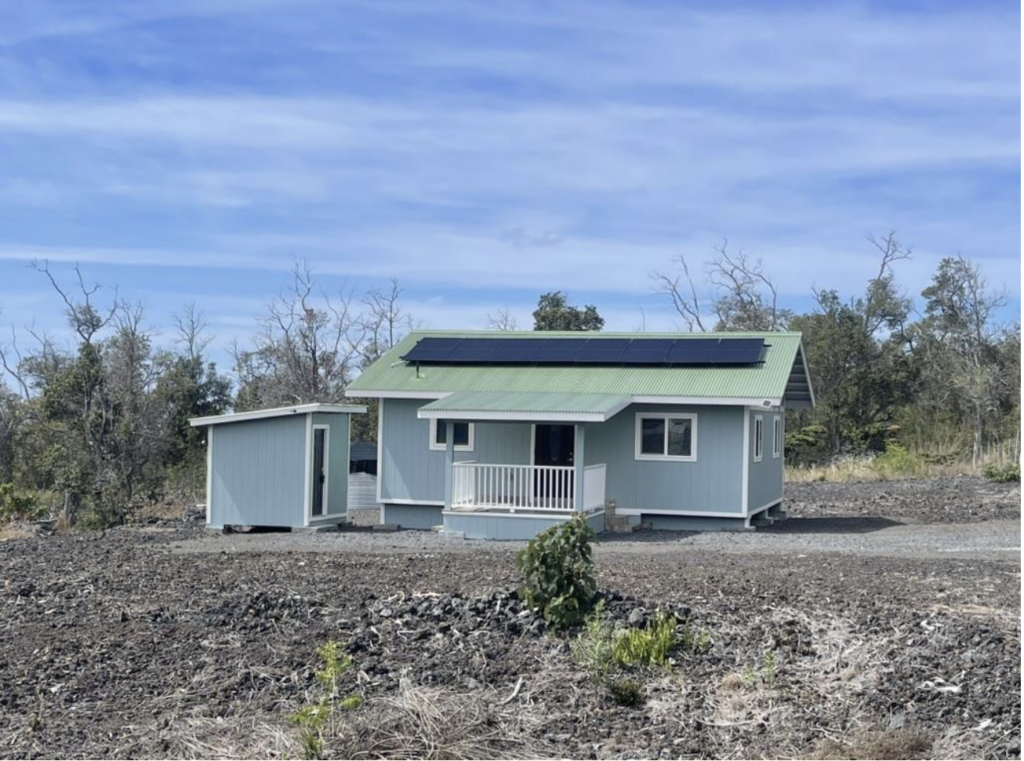
The first step is understanding how much energy you actually use.
A smaller and efficient home may use around four to six kilowatt hours per day. A more typical home will often range from ten to fifteen. Once you add higher demand items like air conditioning or electric dryers, those numbers increase quickly.
Solar works well in Hawai‘i, but systems still need to be sized correctly to handle cloudy periods and seasonal variation. Many homeowners choose to oversize their system to create a buffer and avoid running short during extended rainy stretches.
Battery storage is just as important. Most off grid homes are designed to carry several days of power without sun. And even with a well designed system, a backup generator is still part of a reliable setup.
Maintenance is part of the deal. Cleaning panels, monitoring your system, and paying attention to performance becomes part of your routine whether you expect it or not.
Water Catchment and Storage
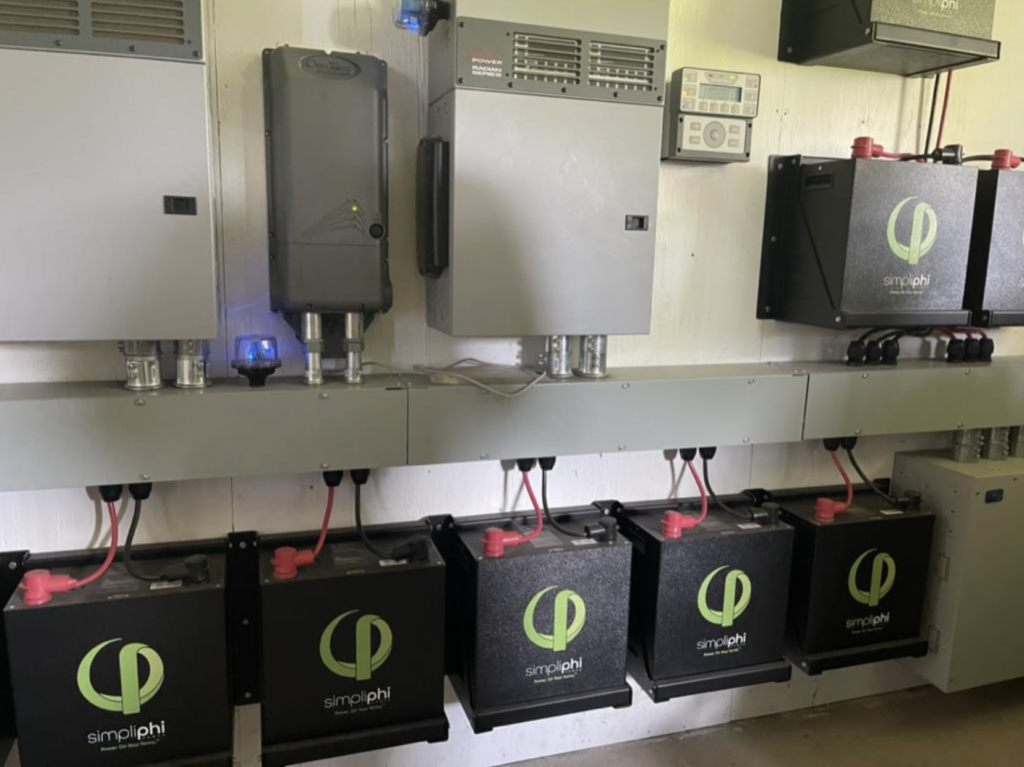
For most off grid properties in Hawai‘i, water comes from rain catchment.
The amount you collect depends on your roof size and rainfall, but your storage determines your security. Larger tanks allow you to build reserves during wet periods so you can move comfortably through drier stretches.
Growing up, we always knew how full the tank was, especially heading into a dry period. It gives you a different level of awareness and respect for your resources.
Filtration is another key piece. A well designed system includes multiple stages to ensure water is safe and usable.
Like everything off grid, maintenance matters. Regular cleaning, filter changes, and periodic testing are all part of keeping your system reliable.
Wastewater Understanding Your Options
Wastewater systems vary depending on your land and soil conditions.
Some properties can support standard septic systems, while others require more advanced solutions. Composting systems can be an option, but they must be properly designed and approved.
If a property does not pass a percolation test, more complex systems may be required. This can significantly impact your budget and timeline, which is why it is one of the most important things to understand during your due diligence period.
Finding the Right Off Grid Property in Hawai‘i
Not every property is well suited for off grid living.
Solar exposure, rainfall patterns, access, and soil conditions can vary significantly across Hawai‘i Island. Some parcels are naturally aligned for off grid systems, while others may come with challenges that are not obvious at first glance.
As a Kona based listing agent specializing in agricultural land and lifestyle properties across Hawai‘i, I help my clients evaluate properties not just for how they look, but for how they function long term.
Having lived off grid myself, I understand both the lifestyle and the systems behind it. It is not just about finding land. It is about finding land that actually works for the way you want to live.
What This Means for Sellers
If you already own an off grid property, this level of understanding is what creates value in today’s market.
Most buyers are not just looking at the land or the home. They are trying to understand the systems behind it.
How well the solar is designed. How reliable the water system is. How everything works together.
When those pieces are clearly communicated and positioned correctly, it builds confidence and often leads to stronger offers.
This is where marketing matters.
Highlighting the functionality, independence, and long term sustainability of an off grid property can make a significant difference in how it performs.
If you are thinking about buying or selling off grid property in Hawai‘i, I would be happy to help you approach it strategically and make sure you are set up for success.
Leave A Comment