
Living in Kailua, Oʻahu: Beach Town Life on the Windward Side
When people picture the quintessential beach town lifestyle in Hawaii, they are almost always imagining Kailua. Located on the windward coast of Oʻahu, this vibrant community offers a striking contrast to the high-rise bustle of Honolulu. Framed by the dramatic, emerald-green cliffs of the Koʻolau Range on one side and the powdery white sands of Kailua Beach on the other, living in Kailua Oahu represents a dream lifestyle for many who decide to make the move to the islands. However, transitioning from a vacation mindset to the daily reality of residency requires a clear understanding of what makes this windward gem tick.
We want to provide an honest, boots-on-the-ground look at what it is actually like to call Kailua home. From the micro-neighborhoods and commuting realities to the local housing market and daily lifestyle, here is everything you need to know about living in this iconic windward town.
The Windward Vibe: Climate, Landscape, and Culture
Living on the windward side of Oʻahu means living in harmony with nature. Because Kailua faces the prevailing northeast trade winds, the climate here is distinctly different from the drier, hotter leeward side of the island. The trade winds act as a natural air conditioner, blowing fresh ocean air across the town and keeping temperatures comfortable throughout most of the year.
However, those same winds carry moisture from the Pacific, resulting in frequent passing showers. These rains are typically brief, often lasting only a few minutes before giving way to brilliant sunshine and double rainbows. This abundant moisture is what keeps the windward side so spectacularly lush and green. The dramatic cliffs of the Koʻolau Mountains, often draped in mist and waterfalls, serve as a constant, breathtaking backdrop to daily life.
The culture in Kailua is laid-back, active, and deeply connected to the ocean. It is a place where people wake up early to catch the sunrise, walk their dogs along the beach, and spend their afternoons in the water. While Honolulu is driven by the fast-paced energy of a major metropolitan city, Kailua operates on a slower, more deliberate schedule. It is a community that values outdoor recreation, environmental preservation, and a relaxed, neighborhood-centric lifestyle.
A Tour of Kailua’s Distinct Neighborhoods
Kailua is not a monolithic town: it is a collection of distinct neighborhoods, each with its own unique character, housing stock, and lifestyle. Understanding these pockets is essential when planning your relocation.
Lanikai
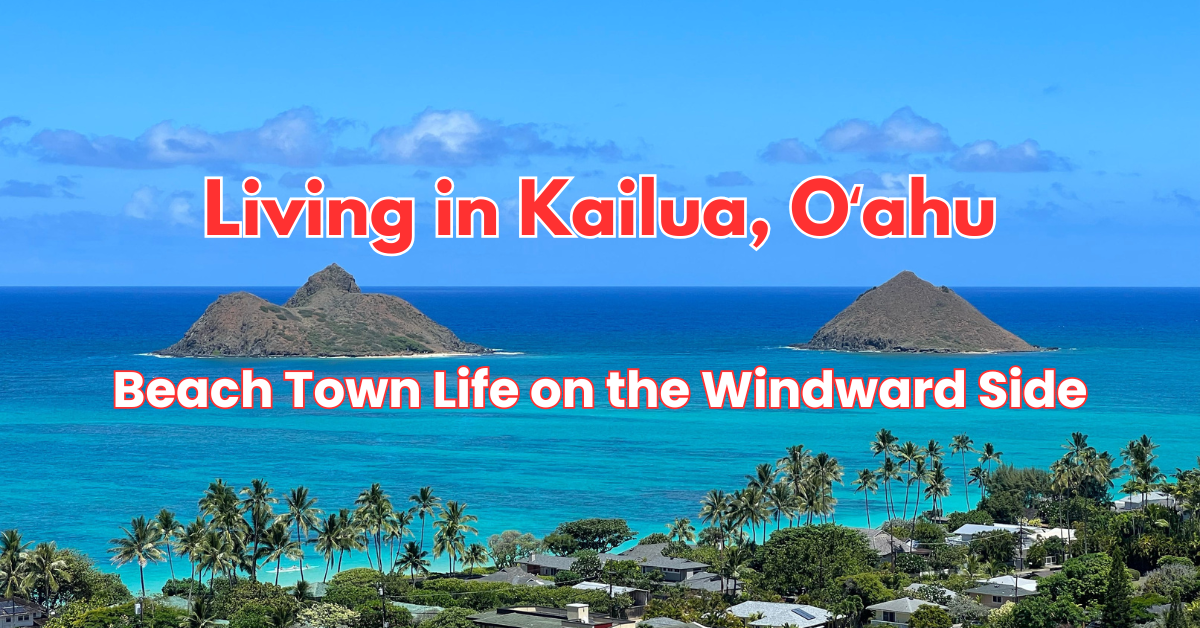
Perhaps the most famous neighborhood in Kailua, Lanikai is known for its iconic loop road, luxury homes, and the world-renowned Lanikai Beach. Living here means having direct access to calm, turquoise waters and a front-row view of the Mokulua Islands, affectionately known as the Mokes. However, Lanikai comes with significant trade-offs. The neighborhood has no sidewalks, and parking is extremely restricted, especially on weekends and holidays when visitors flock to the beach. Residents must navigate heavy traffic and a lack of privacy during peak tourist seasons.
Beachside
Running along the coast from Oneawa Street to the edge of Kailua Beach Park, the Beachside neighborhood is highly coveted. It features private beach access lanes that lead directly to the sand, allowing residents to walk to the ocean in minutes. The homes here range from historic mid-century beach cottages to sprawling, modern estates. It is a quiet, prestigious neighborhood that offers a more private alternative to Lanikai while still maintaining immediate beach access.
Kailua Town and Coconut Grove
For those who want to be close to the action, Kailua Town and the adjacent Coconut Grove neighborhood offer excellent convenience. This area features a mix of older single-family homes, duplexes, and low-rise condominium complexes. Living here puts you within walking or biking distance of local boutiques, cafes, and major grocery stores. It is a bustling, energetic area that appeals to younger professionals, retirees, and those who prefer a more connected, community-oriented lifestyle.
Enchanted Lake
Located further inland, Enchanted Lake is a spacious, family-oriented neighborhood centered around a saltwater lake and mangrove estuary. Most of the homes here were built in the 1960s and 1970s, offering larger lots and wider streets than the coastal neighborhoods. Many properties line the canal or the lake itself, allowing residents to launch kayaks or paddleboards right from their backyards. It is a quiet, suburban pocket with excellent access to local schools and parks.
Aikahi Park and Kalaheo Hillside
Situated on the northern edge of Kailua, these neighborhoods are highly popular among military families due to their close proximity to Marine Corps Base Hawaii. Aikahi Park is known for its excellent elementary school, quiet streets, and the Aikahi Park Shopping Center, which features local eateries and a grocery store. Kalaheo Hillside offers elevated lots, some of which boast beautiful views of Kaneohe Bay or the ocean.
The Daily Lifestyle: Walkability and Community
One of the greatest draws of Kailua is its remarkable layout, making it one of the Best Walkable Towns in Hawaii for 2026. Unlike many suburban areas on Oʻahu where a car is required for every errand, central Kailua is incredibly bike-friendly and pedestrian-friendly.
The town center has undergone a thoughtful revitalization over the past decade. Local boutiques, surf shops, and craft breweries sit alongside convenient national retailers like Whole Foods and Target. On any given day, you will see residents riding beach cruisers with surfboards tucked under their arms, stopping to grab a fresh papaya bowl or an iced cold brew on their way to the water.
The weekly farmers markets are central to the community fabric. The Thursday evening market in the town center is a popular gathering place where residents can buy fresh windward-grown produce, local honey, and ready-to-eat meals from local vendors. It is a place where neighbors run into each other, talk story, and enjoy the evening breeze.
Outdoor recreation is not just a weekend hobby here: it is a daily practice. Whether it is hiking the popular Lanikai Pillbox trail at dawn, kayaking out to the Mokulua Islands, windsurfing across the bay, or simply enjoying a sunset walk along the shoreline, the natural environment dictates the rhythm of daily life.
The Real Estate Landscape and Cost of Living
There is no sugarcoating the reality: living in Kailua Oahu comes with a premium price tag. Kailua is one of the most expensive real estate markets on Oʻahu, driven by high demand, limited inventory, and the undeniable appeal of the windward lifestyle.
The median price for a single-family home in Kailua consistently hovers well above the island average, often exceeding 1.3 million dollars. Even modest, older homes built in the 1950s or 1960s that require significant updating command premium prices. For those looking to rent, the market is equally competitive. Many newcomers find that Finding Long-Term Rentals in Hawaii in 2026 is the most practical way to transition to the island, allowing them to experience the neighborhoods firsthand before committing to a home purchase.
Beyond housing, the cost of living in Kailua is shaped by typical island factors, amplified by the windward climate. While the trade winds keep the air moving, the high humidity means that home maintenance is an ongoing chore. Rust, mold, and termites are constant battles for windward homeowners. Additionally, electricity rates on Oʻahu are among the highest in the nation. While many Kailua residents rely on natural ventilation rather than central air conditioning, those who run split-system AC units to combat the summer humidity can expect substantial monthly utility bills.
The Commute and Military Proximity
While Kailua feels like a secluded beach enclave, it is geographically connected to the rest of Oʻahu by three major mountain highways: the Pali Highway, the Likelike Highway, and the H-3.
If you work in downtown Honolulu or need to travel to the airport, your daily commute will involve driving over the majestic Koʻolau Range. The H-3 is widely considered one of the most scenic freeways in the world, cutting through lush valleys and tunnels with breathtaking views. However, the reality of the morning commute can be challenging. A drive from Kailua to Honolulu that takes 25 minutes without traffic can easily stretch to an hour or more during peak morning rush hours, especially if there is an accident or heavy rain on the Pali.
Kailua is also uniquely positioned next to Marine Corps Base Hawaii, located on the Mokapu Peninsula in Kaneohe. This proximity significantly shapes the local demographic and rental market. If you are a military family relocating to the area, understanding the logistics of Living Near Military Bases in Hawaii: What to Expect in 2026 can help you navigate the housing search, school enrollment, and daily traffic patterns near the base gates.
Pros and Cons of Living in Kailua
To help you determine if this windward beach town is the right fit for your long-term goals, we have broken down the core advantages and challenges of making the move to Kailua.
Pros of Kailua Living
-
Unmatched Natural Beauty: Access to two of the finest beaches in the world, Kailua Beach and Lanikai Beach, along with stunning mountain views.
-
Active, Health-Focused Lifestyle: An environment that naturally encourages walking, biking, swimming, paddling, and hiking.
-
Strong Sense of Community: A welcoming, neighborhood-oriented vibe with local farmers markets, community events, and independent businesses.
-
Excellent Walkability: The ability to run daily errands, visit restaurants, and access the beach without relying solely on a car.
-
Cooler Climate: Reliable trade winds that keep the windward side cooler and fresher than the leeward or south shores of Oʻahu.
Cons of Kailua Living
-
High Cost of Real Estate: Extremely high barrier to entry for both homebuyers and renters, with older housing inventory.
-
Heavy Tourism and Traffic: Popular beaches and trails bring significant weekend crowds, parking challenges, and traffic congestion.
-
Windward Moisture and Maintenance: Higher rainfall leads to increased humidity, requiring constant vigilance against mold, rust, and pests.
-
The Mountain Commute: Daily travel to Honolulu or the west side requires driving over the mountain highways, which can be prone to delays.
-
Limited Nightlife: Kailua quietens down significantly after dark, making it less ideal for those seeking a bustling nightlife scene.
Is Kailua Right for You?
Living in Kailua offers an unparalleled quality of life for those who value natural beauty, outdoor recreation, and a tight-knit community. It is a place where the ocean is an extension of your backyard, and the pace of life invites you to slow down and appreciate the surrounding environment.
However, it is not a decision to be made lightly. The high cost of housing, the ongoing maintenance demands of a humid climate, and the realities of a trans-mountain commute require careful planning and realistic expectations. For those who are prepared for these challenges, the reward of watching the sunrise over the Mokulua Islands from your local beach makes every compromise worthwhile.

Leave A Comment