
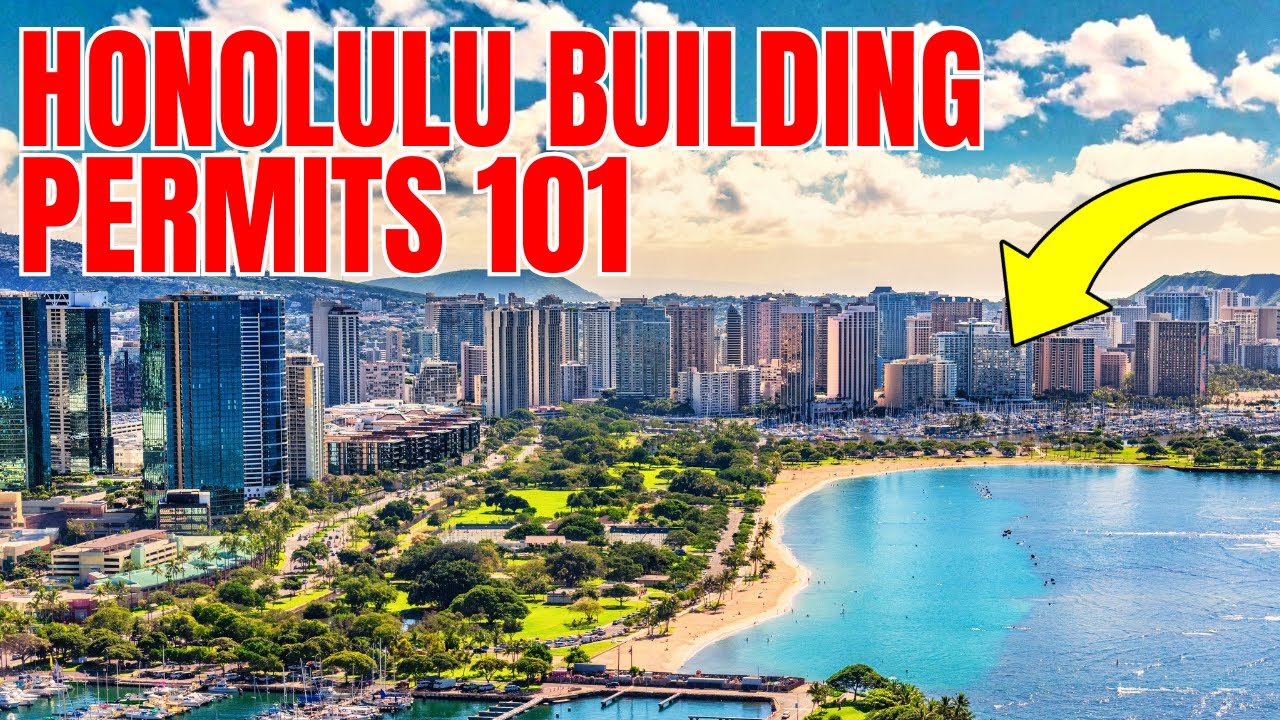
Video: Honolulu Building Permits 101: What Newcomers Should Know
If you’re moving to Oahu and thinking about building, renovating, or even just adding a fence to your new home, understanding Honolulu’s building permit process could save you thousands of dollars and months of headaches. The Department of Planning & Permitting (DPP) has a reputation for being slow and complicated—but it doesn’t have to be a nightmare if you know what you’re getting into.
In this episode of Living in Hawaii, Sasha Thompson and Patrick Chandler break down everything you need to know about building permits on Oahu, from why they matter to how to actually get one approved without losing your mind.
Watch the full video above for all the details, tips, and insider knowledge about navigating Honolulu’s permitting process.
Why Building Permits Actually Matter
Let’s start with the obvious question: why do you even need a permit to change something on property you own?
The answer comes down to three things—safety, resale value, and financing. Permits ensure contractors are doing work correctly so your house doesn’t literally fall down around you. They also protect your investment. When you go to sell, unpermitted work can kill a deal. Appraisers won’t count unpermitted square footage toward your home’s value, and lenders may refuse to finance properties with unpermitted additions.
If the county discovers unpermitted work, they can make you tear it down and redo it—at your expense. It’s happened, and it’s not pretty.
The DPP Reality: It Takes Forever (And That’s Not a Myth)
Here’s the truth nobody sugarcoats: the Honolulu Department of Planning & Permitting is overloaded and understaffed. Projects that should take weeks can drag on for months or even years. During the height of the construction boom, some permits took two years or longer to process.
That’s not an exaggeration. It’s why so many people in Hawaii have built “unpermitted structures”—they got tired of waiting and just did the work anyway. But doing that creates its own set of problems down the road, especially when it’s time to sell.
What Actually Needs a Permit?
You’d be surprised what requires a permit in Honolulu. Here’s a quick rundown:
You need a permit for:
- Fencing over 3 feet tall
- Retaining walls over 3 feet
- Storage sheds over 120 square feet (that’s 10×12 feet)
- Any major electrical or plumbing work
- Structural changes like adding walls, removing walls, or building additions
- Solar panel installations (though recent changes have relaxed some requirements for smaller systems)
- Demolition work
- Roofing work in many cases
- Major landscaping that involves grading, drainage changes, or irrigation
- Tree removal for certain species and heights (you need a licensed arborist)
You typically don’t need a permit for:
- Minor electrical work like changing a light switch to a dimmer (under $10,000 in work)
- Temporary structures like small garden fences
- Painting, flooring, or other cosmetic updates
- Adding a second sink to an existing bathroom vanity (using existing plumbing)
The $10,000 threshold is important—projects under that amount often don’t require permits, though major work involving licensed trades (plumbing, electrical, structural) still does regardless of cost.
Hawaii-Specific Challenges You Need to Know About
Cane Ceilings (Kanik): Older homes in Hawaii often have cane fiber ceilings made from pressed sugarcane. They contain arsenic and require special handling during demolition—similar to asbestos.
Special Management Areas (SMA): If you’re buying oceanfront property, you’ll need additional clearances from the Department of Land and Natural Resources and other agencies. This adds time and complexity to any project.
HOA Approvals: Don’t forget—if you live in a planned community, you need HOA approval in addition to county permits. The HOA governs aesthetics (colors, materials, design) while the county governs safety and structure.
The Permitting Process: Step by Step
Here’s how it actually works when you want to build or remodel:
- Hire an architect or contractor to draft plans for your project
- Submit plans to DPP either directly or through a permit runner (a third-party specialist who expedites permits)
- Wait for plan review — this is where the bottleneck happens. Reviewers will go back and forth with your architect on details
- Get approval from other departments if needed (DLNR for oceanfront, etc.)
- Receive permit approval and pay permit fees (based on project value)
- Begin construction with scheduled inspections throughout the process
- Pass final inspection to close out the permit
Inspectors will visit multiple times—before drywall goes up to check framing, electrical, and plumbing, then again after drywall to check finish work. Each inspection can take days or weeks to schedule.
Smart Strategies to Speed Things Up
Hire a permit runner. These specialists know exactly what DPP wants to see and can pre-check your plans before submission. They grease the wheels and save you months of back-and-forth.
Use the new self-certification option. Licensed architects and contractors can now self-certify certain plans, skipping the lengthy DPP review process. This is a game-changer.
Submit through the e-Plan system. Get your application in the queue as early as possible—don’t wait until plans are perfect.
Walk in with grace (and maybe malasadas). Seriously. The folks at DPP are doing their best in an impossible situation. Be kind, be patient, and build relationships. A friendly face gets better service than an angry one.
Plan ahead. If you’re thinking about a project, start the permitting process months before you actually want to break ground. Factor in delays.
What About Unpermitted Work?
If you buy a house and discover unpermitted additions, you have a few options:
After-the-fact permits are allowed in Hawaii, though DPP will assess a penalty. You’ll need to document everything meticulously and may need to open up walls for inspections.
Red flags happen when someone reports unpermitted work or when an inspector comes out for a new project and notices old work that’s not on file. At that point, you may be forced to bring everything up to code or tear it down.
Owner permits are an option if you’re handy and want to do work yourself. But here’s the catch—you can’t sell your property for two years after pulling an owner permit. This rule exists to prevent flippers from doing shoddy work and bailing.
The Bottom Line
Navigating Honolulu’s building permit process takes patience, planning, and a willingness to work within a frustrating system. But it’s worth doing right. Unpermitted work can haunt you for years, killing deals and costing you tens of thousands in retrofits or lost value.
If you’re planning any construction project on Oahu, start early, hire experienced professionals, and don’t try to cut corners. The time and money you invest upfront will pay off when it’s time to sell—or when you’re sleeping soundly knowing your home won’t collapse because someone skipped the inspection.
Want more insights about living and building in Hawaii? Check out more episodes of Living in Hawaii, and if you’re serious about buying or building on Oahu, reach out to connect with local experts who can guide you through the process.



Leave A Comment