
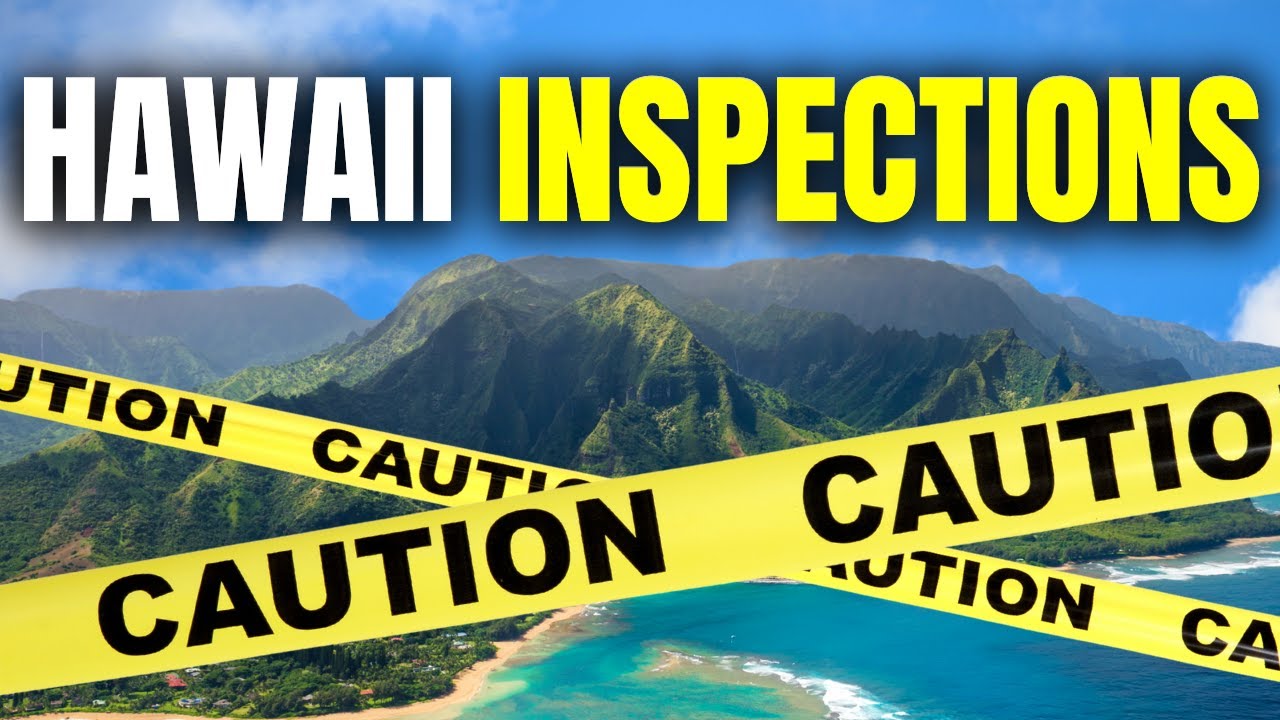
Video: Hawaii Vehicle Safety Checks: What Newcomers Need to Know
If you’re new to Hawaii, there’s a good chance you’ve noticed the small date stickers on the back of everyone’s car and wondered what they mean. That little detail trips up a lot of people moving here from the mainland, especially if you’re coming from a state that doesn’t require annual inspections.
In this episode of the Living in Hawaii YouTube talk show, a group of local Big Island residents sit down to talk through Hawaii’s vehicle safety check, why it exists, and what people moving here often misunderstand about the process.
If you’ve ever felt confused, stressed, or worried you were “in trouble” the first time you went in for one, you’re not alone.
What Is a Safety Check in Hawaii?
A safety check is Hawaii’s annual vehicle inspection. Its purpose is simple: keep unsafe vehicles off the road and make sure cars are legally registered and insured.
If you’re coming from the mainland, this may feel unfamiliar. Some states only require emissions testing. Hawaii doesn’t. Instead, the focus here is on road safety, especially considering island conditions like salt air, humidity, elevation changes, and long stretches of road without services.
This episode focuses specifically on experiences from Hawaii Island, but many of the fundamentals apply statewide.
Why People Fail Their First Safety Check
One of the most reassuring parts of the conversation is hearing how common it is to fail the first time, especially for newcomers. A failed safety check doesn’t mean you’re in trouble.
It usually means something small needs attention.
Inspectors are typically checking for:
-
Valid registration and Hawaii insurance
-
Working headlights, brake lights, and turn signals
-
Tire tread depth and overall condition
-
Windshield cracks that obstruct the driver’s view
-
Windshield wipers that still function properly
-
Tint that falls within legal limits
-
Exhaust noise and major vehicle modifications
Many people fail for things as simple as a burnt-out bulb, worn tires, or dried-out wiper blades. The inspectors will tell you exactly what needs fixing, and you can come back once it’s handled.
What Happens If You Don’t Pass?
This is where a lot of anxiety comes in, and the panel clears it up clearly.
If you don’t pass:
-
You’re told exactly what needs to be fixed
-
You don’t pay the inspection fee again if you return within the allowed window
-
Once the issue is resolved, they recheck the vehicle and issue the sticker
Think of it more like a punch list than a punishment. It’s closer to a home inspection than a traffic citation.
Timing Matters More Than You Think
One of the biggest local takeaways from this conversation is don’t wait until the last minute.
Living on an island means:
-
Parts aren’t always in stock
-
Tires and windshields sometimes have to be shipped in
-
Kiosks and DMV systems occasionally go down at the worst possible time
A $20 inspection can turn into a much bigger headache if you discover you need tires, tint removal, or a windshield replacement days before your registration expires.
Locals recommend setting reminders a month or two ahead and doing a quick self-check before heading in.
DMV Kiosks Are Helpful, But Not Perfect
Yes, Hawaii has DMV kiosks, and yes, they can save you a lot of time. You’ll find them in places like grocery stores and DMV offices.
But island reality applies here too. Machines break. Lines happen. Access hours vary. Having your paperwork ready and some time flexibility makes a big difference.
Island Conditions Wear Cars Down Faster
Another important point that comes up is how Hawaii’s environment impacts vehicles:
-
Salt air near the ocean
-
Moisture on the windward sides
-
Sun exposure drying out rubber components
-
Rough roads and construction debris damaging tires
Cars that might pass easily on the mainland can need more frequent attention here. Safety checks help catch those issues before they become bigger problems, especially when you’re driving long distances with limited cell service.
Local Advice You Won’t Find in the Rulebook
This episode is full of practical advice locals share with each other, including:
-
Keep your gas tank above half, especially in rural areas
-
Carry a portable air pump if you can
-
Store your safety check and registration together
-
Build relationships with local auto shops
-
Write positive reviews for good local businesses
These aren’t things you’ll read on a DMV website, but they matter when you’re actually living here.
Watch the Full Conversation on YouTube
This blog gives you the overview, but the real value is in the stories, laughs, and lived experience shared in the full video. If you’re moving to Hawaii or recently arrived, it’s worth watching to hear how locals actually navigate this stuff day to day.
The video is embedded above. Take a few minutes to watch it, especially before your first safety check. It might save you time, money, and a lot of unnecessary stress.
And as always, LivingInHawaii.com is here to help you learn what island life is really like, beyond the brochures.
Aloha.

Leave A Comment