
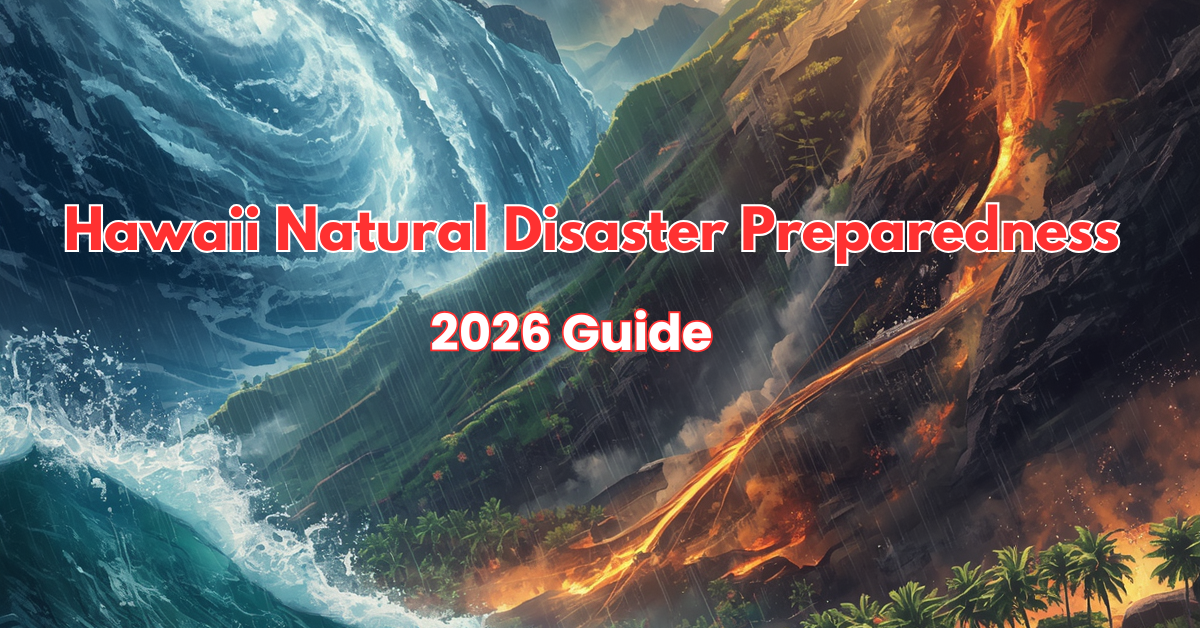
Hawaii Natural Disaster Preparedness: 2026 Guide
Living in Hawaii offers unparalleled beauty and a unique lifestyle. However, it also means being prepared for natural disasters such as earthquakes and hurricanes. As we move into 2026, it’s crucial to update our preparedness strategies to ensure the safety and well-being of ourselves and our families. This guide provides the latest information and actionable steps to help you navigate potential emergencies in Hawaii.
Take the Quiz: Is Hawaii Right For You? | Meet with a Living in Hawaii Expert!
Understanding Hawaii’s Natural Disaster Risks
Hawaii’s location in the Pacific Ocean makes it susceptible to various natural disasters. Earthquakes, hurricanes, tsunamis, and volcanic activity pose significant threats. While we can’t prevent these events, understanding the risks and preparing accordingly can greatly reduce their impact.
Earthquakes
Hawaii experiences earthquakes regularly, though most are minor. The Big Island, due to its active volcanoes, is particularly prone to seismic activity. However, significant earthquakes can occur on any island. The 2006 Kiholo Bay earthquake, for example, caused widespread damage and power outages. Being aware of earthquake safety measures is essential.
The ‘Big Island’ isn’t the only area at risk, but it is the most active. It’s also a good idea to review the details about living near volcano zones, as this is related to earthquake activity.
Hurricanes
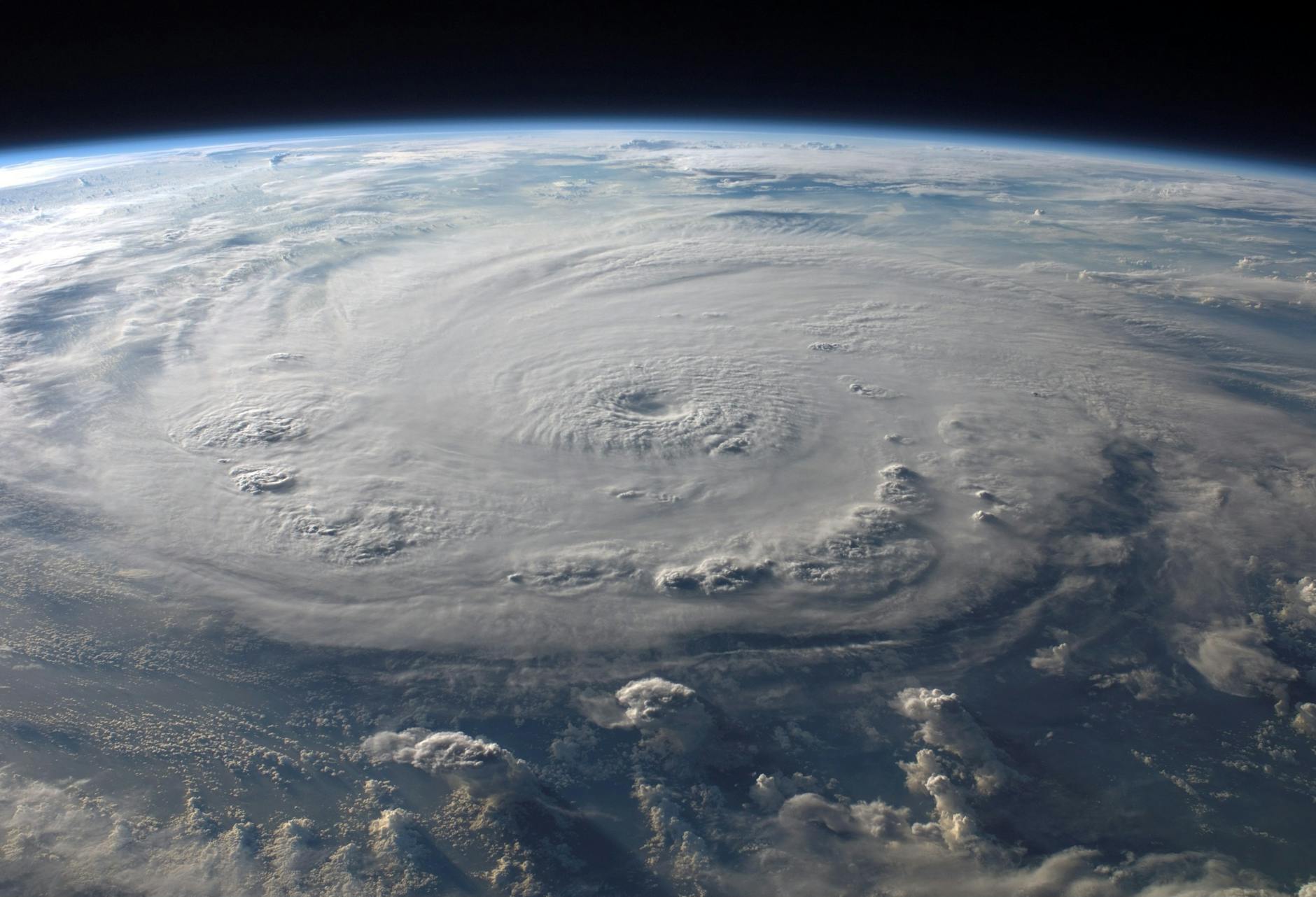
Hurricane season in Hawaii runs from June 1st to November 30th. While direct hits are relatively rare, the islands have experienced several close calls and damaging storms. Hurricane Iniki in 1992 caused extensive damage to Kauai, and more recently, Hurricane Lane in 2018 brought torrential rain and flooding to the state. Staying informed about potential hurricanes and having a preparedness plan is crucial.
Tsunamis
Hawaii’s location in the Pacific Ring of Fire makes it vulnerable to tsunamis generated by earthquakes around the Pacific Rim. The 1946 and 1960 tsunamis caused significant devastation in Hilo. The Pacific Tsunami Warning Center in Ewa Beach monitors seismic activity and issues warnings when necessary. Knowing evacuation routes and heeding warnings can save lives.
Volcanic Activity
The Big Island is home to active volcanoes, including Kilauea. Volcanic eruptions can cause lava flows, ashfall, and vog (volcanic smog), impacting air quality and visibility. While eruptions are generally localized, they can disrupt daily life and pose health risks. Staying informed about volcanic activity and following official guidelines is important.
Developing Your Hawaii Natural Disaster Preparedness Plan
A comprehensive preparedness plan is your best defense against natural disasters. This plan should include assembling a disaster kit, creating a communication strategy, and understanding evacuation routes.
Assembling a Disaster Kit
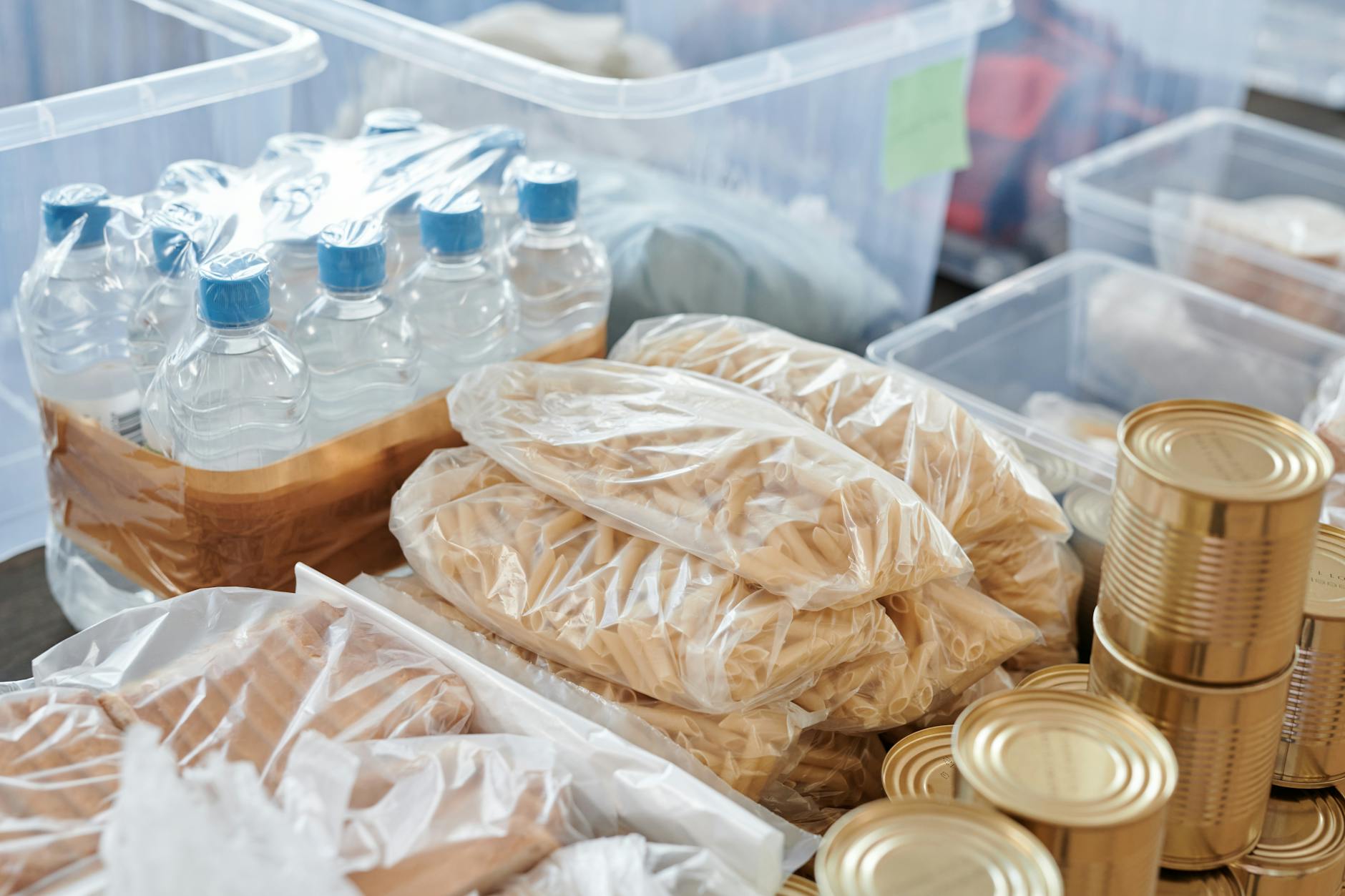
Your disaster kit should contain enough supplies to sustain you and your family for at least 14 days. This extended timeframe accounts for the potential delays in receiving assistance after a major event. Essential items include:
- Water: At least one gallon per person per day
- Non-perishable food: Canned goods, energy bars, dried fruits, and nuts
- First-aid kit: Bandages, antiseptic wipes, pain relievers, and any personal medications
- Flashlight and extra batteries
- Battery-powered or hand-crank radio
- Whistle to signal for help
- Dust mask to filter contaminated air
- Moist towelettes, garbage bags, and plastic ties for personal sanitation
- Wrench or pliers to turn off utilities
- Can opener for food
- Local maps
- Cell phone with chargers and a portable power bank
- Cash: ATMs may not be operational
- Important documents: Copies of insurance policies, identification, and medical records in a waterproof bag
Consider the specific needs of your family when assembling your kit. Include items such as baby formula, diapers, pet food, and any necessary medical equipment.
Creating a Communication Strategy
During a natural disaster, communication can be challenging. Develop a communication plan that includes:
- Designating an out-of-state contact person: This person can serve as a central point of contact for family members who may be separated.
- Establishing meeting places: Identify locations where family members can reunite if they are unable to return home.
- Signing up for emergency alerts: Register for alerts from the city and county of your residence to receive timely information about potential threats.
- Downloading emergency apps: Utilize apps that provide real-time updates, maps, and communication tools.
Ensure that all family members are aware of the communication plan and have access to the necessary contact information.
Understanding Evacuation Routes
In the event of a tsunami or other emergency, evacuation may be necessary. Familiarize yourself with evacuation routes in your area and identify safe zones. Pay attention to tsunami hazard zone maps and evacuation signs. Participate in community drills to practice evacuation procedures.
Knowing your neighborhood’s vulnerability is key to preparing. If you are considering a move, you may also want to evaluate the best walkable towns, as these may have more robust infrastructure.
Preparing Your Home for Natural Disasters
Taking steps to fortify your home can minimize damage from natural disasters. Consider the following measures:
- Securing your home: Reinforce doors and windows, and consider installing hurricane shutters.
- Elevating appliances: Raise appliances such as water heaters and washing machines to protect them from flooding.
- Trimming trees and shrubs: Remove any branches that could fall on your home during a storm.
- Clearing gutters and downspouts: Ensure that rainwater can drain properly to prevent water damage.
- Anchoring propane tanks: Secure propane tanks to prevent them from being dislodged during an earthquake or hurricane.
Review your insurance policies to ensure that you have adequate coverage for potential damage from natural disasters. Understand the terms and conditions of your policies, including deductibles and exclusions.
Staying Informed During a Natural Disaster
During a natural disaster, staying informed is critical. Monitor official sources of information, such as:
- Local news channels: Tune into local television and radio stations for updates and instructions.
- National Weather Service: Monitor the National Weather Service website and social media channels for weather forecasts and warnings.
- Hawaii Emergency Management Agency (HIEMA): Follow HIEMA for official announcements and guidance.
- City and county emergency management agencies: Stay informed about local conditions and evacuation orders.
Be wary of misinformation and rumors. Rely on credible sources for accurate information.

Community Preparedness and Resilience
Natural disaster preparedness is a community effort. Get involved in local preparedness initiatives and volunteer opportunities. Support your neighbors and share resources. Building a resilient community can help everyone recover more quickly from a disaster.
Understand that unexpected costs may arise after a natural disaster. Planning ahead for expenses like utility deposits and connection fees can ease the financial burden.
Coping with the Aftermath
The aftermath of a natural disaster can be challenging. Be prepared for potential power outages, water shortages, and disruptions to essential services. Follow these tips for coping with the aftermath:
- Assess the damage to your home and property.
- Document any damage for insurance claims.
- Contact your insurance company as soon as possible.
- Be patient with recovery efforts.
- Seek support from friends, family, and community organizations.
Remember that recovery is a process. Be kind to yourself and others during this challenging time.
Conclusion
Hawaii’s natural beauty comes with the responsibility of preparing for potential natural disasters. By developing a comprehensive preparedness plan, staying informed, and working together as a community, we can mitigate the impact of these events and ensure the safety and well-being of ourselves and our loved ones. As we navigate 2026, let’s commit to updating our preparedness strategies and building a more resilient Hawaii.

Leave A Comment