
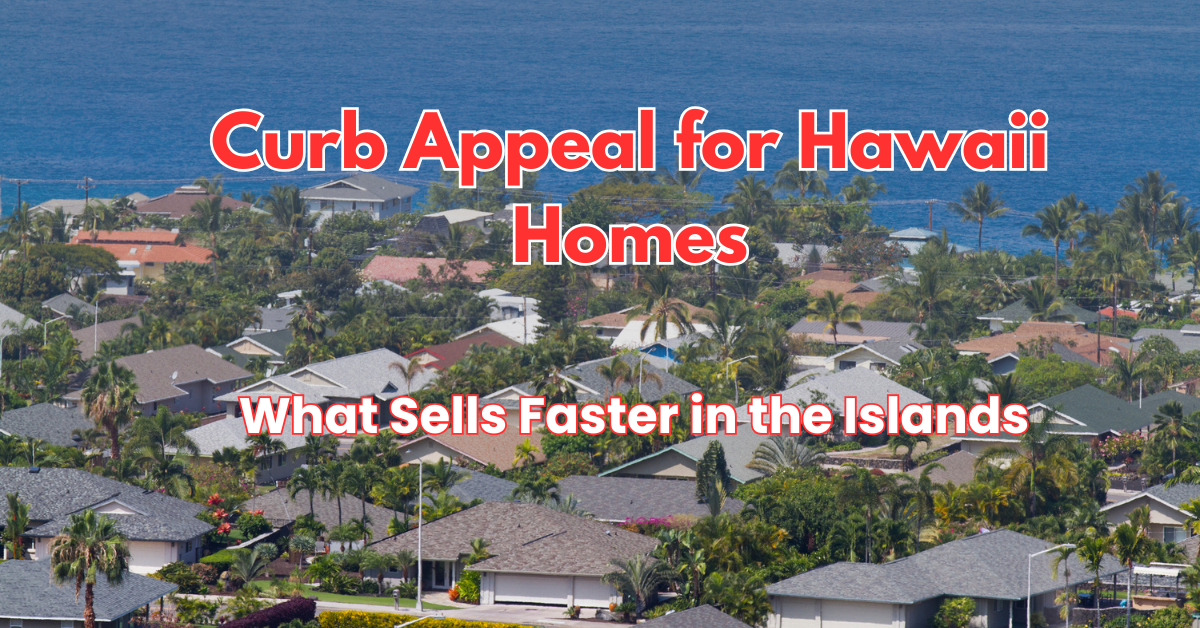
Curb Appeal for Hawaii Homes: What Sells Faster in the Islands
When buyers pull up to a house in Hawaii, they evaluate the exterior through a very specific lens. Island conditions present unique environmental challenges, from relentless trade wind moisture and salt spray to intense tropical sun. A home that looks clean, weather-tight, and intentionally landscaped signals to prospective buyers that the owner has stayed ahead of island maintenance. Conversely, peeling exterior paint, rusted fixtures, and an overgrown tropical thicket scream deferred maintenance and costly structural headaches.
Take the Quiz: Is Hawaii Right For You? Meet with a Living in Hawaii Expert!
Mainland staging principles do not translate directly to our market. On the mainland, sellers focus heavily on manicured turf, brick walk-ups, and deciduous foundation shrubs. In Hawaii, exceptional exterior presentation is about embracing indoor-outdoor flow, showcasing healthy endemic and tropical flora, and demonstrating that the building envelope can withstand our climate. Whether you are listing a classic plantation-style cottage on Kauai, a mid-century home in East Honolulu, or a modern build in Maui, mastering curb appeal for Hawaii homes directly dictates how quickly you secure qualified offers and at what price point.
The Island Reality: Why Exterior Condition Matters More in Hawaii
In many continental housing markets, buyers view exterior cosmetics as secondary to updated kitchen countertops or finished basements. In Hawaii, the exterior is often the first and most critical hurdle. Because Hawaii home buyers spend a significant portion of their lives outside, the exterior of the house functions as an active living area rather than just a visual facade.
Furthermore, savvy buyers and their home inspectors know how punishing the elements can be. High humidity creates perfect conditions for green algae, mold, and moss. Ocean breezes carry micro-droplets of salt that corrode metal flashings, exterior light fixtures, window tracks, and gate hardware. Red volcanic dirt can permanently stain concrete flatwork and exterior walls if left unwashed. When buyers see an exterior that is spotless and well-maintained, their anxiety about costly surprises drops immediately. If you are preparing to sell and move off-island, prioritizing the front yard and entryway provides the highest return on your preparation budget.
Power Washing and Surface Restoration: The Highest ROI Move
Before buying plants or hiring painters, the most cost-effective project any island seller can tackle is a thorough exterior wash. Because of trade wind precipitation and airborne organic matter, building surfaces collect a noticeable layer of grime in just six to twelve months.
Focus your pressure-washing efforts on these key zones:
-
Driveways and Walkways: Concrete flatwork often accumulates black mold and red dirt residue. A clean, light-toned concrete approach brightens the entire front elevation.
-
Lava Rock Walls: Moss rock and pohaku walls are quintessential island features. While gentle moss can add character, thick invasive weeds and dark slime make them look neglected. A controlled soft wash brings out the natural earth tones of the stone.
-
Fascia and Gutters: These areas catch wind-driven moisture and frequently show streaks of black organic mildew. Clean gutters signal that water management is functional and roofs are draining properly.
-
Eaves and Siding: High-pressure washing can damage older cedar shake or single-wall redwood siding. Opt for a gentle chemical soft wash using mildew-retardant detergents rather than aggressive blasting that can force water behind the siding.
Tropical Landscaping: Striking the Balance Between Lush and Overgrown
Hawaii’s climate makes plants grow at an astonishing rate. What starts as a charming garden bed can transform into a dark, impenetrable thicket in less than two years. When staging curb appeal for Hawaii homes, your goal is to showcase vibrant tropical plants while demonstrating that the yard is manageable and does not threaten the home’s structure.
Trim Trees Away from the Roofline
Large trees such as mango, monkeypod, and banyan offer wonderful shade, but branches hanging over the roof trigger immediate red flags for buyers and insurers. Overhanging limbs drop leaves that clog valley gutters, promote roof rot, and provide bridges for rodents and insects to enter attic spaces. Trim all canopies at least ten feet back from exterior walls and roof planes. This single improvement dramatically improves natural light inside the front rooms while reassuring buyers about property maintenance.
Curate Architectural Foliage
Buyers in the islands respond strongly to intentional, sculptural greenery that frames the house rather than covers it. Focus on healthy specimens that provide rich contrast:
-
Ti Plants (Ki): Deep red, green, and variegated ti plants are universally loved, easy to maintain, and carry deep cultural resonance across the islands. Group them in odd-numbered clusters along walkways for visual warmth.
-
Monstera Deliciosa and Philodendron: Clean, glossy broad leaves photograph exceptionally well in listing media. Ensure older, yellowing fronds are trimmed at the base.
-
Areca, MacArthur, and Rhapis Palms: Palms create instant island ambiance, but they need active grooming. Strip dead brown boots and yellow fronds down to the clean green trunk. Thick clumps of unpruned areca palms look messy and invite pests.
-
Native Plants: Showcasing native Hawaiian plants like Naupaka, Kupukupu fern, or Ohia lehua demonstrates ecological awareness and appeals to buyers looking for drought-tolerant, resilient landscaping.
Define Garden Beds and Ground Covers
Bare dirt in front beds turns into a muddy eyesore after a sudden tropical squall. Refresh garden beds with fresh island mulch, dark bark, or decorative black cinder. Black volcanic cinder creates a striking contrast against bright green ferns and broad-leaf plants, giving flower beds a neat, finished look that stays put during heavy rain.
The Entryway and Lanai: Creating the Island Welcome
In island culture, the transition from exterior to interior holds great significance. It is where guests are welcomed, shoes are removed, and daily life shifts toward relaxation. The front entryway must feel spacious, clean, and organized.
Upgrade the Shoe Bench or Storage Area
Leaving shoes outside is an essential custom in Hawaii. However, an unorganized pile of fifteen pairs of slippers by the front door looks chaotic and diminishes entry space. Replace cluttered racks with a streamlined, covered wooden shoe bench made of teak, eucalyptus, or moisture-resistant composite. A tidy, intentional slipper station shows respect for island customs while keeping the walkway clear.
Front Door and Hardware Upgrades
Your front door is the focal point of exterior photography. If the entry door is faded by tropical sun or salt spray, a fresh coat of paint creates an immediate transformation. Warm blues, deep ocean teals, forest greens, or crisp warm whites complement tropical surroundings.
Pay close attention to hardware. Replace pitted, chalky, or corroded locksets with corrosion-resistant finishes like oil-rubbed bronze or PVD (physical vapor deposition) stainless steel. Ensure the latch and deadbolt work smoothly without sticking, as a sticking lock during an agent showing creates an awkward first thirty seconds for buyers.
Staging the Front Lanai
If your front entryway features a covered porch or lanai, stage it as usable square footage. Add two comfortable outdoor lounge chairs with weather-resistant Sunbrella cushions, a small accent table, and a potted white bird of paradise or dwarf fiddle-leaf fig. Prospective buyers will mentally place themselves there with their morning coffee, envisioning the relaxing island routine your home provides.
Exterior Paint and Siding: Selecting Colors That Resonate
The exterior color palette of a Hawaii home needs to harmonize with the intense natural environment: deep green mountain ridges, bright blue ocean water, and vivid red soil. Harsh, ultra-bright primary colors can be jarring, while muddy tones look drab under tropical overcast skies.
Colors That Sell Faster
Homes painted in warm off-whites, soft ocean grays, coastal beiges, and muted sage greens consistently attract broader interest. Crisp white trim on a classic plantation home highlights architectural details like board-and-batten siding, decorative corbels, and jalousie window frames. In contemporary developments throughout Oahu, Maui, and the Big Island, charcoal or warm timber accents set against pale neutral facades create a sophisticated modern aesthetic that resonates with mainland transplants and local buyers alike.
Address Wood Rot and Pest Vulnerabilities
Before applying a drop of paint, inspect lower siding panels, window sills, and post bases for signs of termite damage or dry rot. Hawaii’s ground and drywood termites are active year-round. Buyers and their inspectors look closely at the bottoms of exterior wooden posts where water pools. Repair damaged trim, seal all joints with flexible exterior caulk, and ensure soil is graded away from siding foundations to prevent moisture intrusion.
Fencing, Gates, and Driveway Details
Perimeter boundaries frame your property and establish security, which is an important consideration for many island buyers. Clear boundary definition makes lots appear larger and more organized.
Maintaining Rock Walls and Iron Gates
Dry-stack and mortared lava rock walls are enduring symbols of island architecture. If you have rock walls along the front frontage, inspect them for loose stones or root intrusions from invasive trees. For iron or aluminum driveway gates, remove visible surface rust, repaint with protective rust-inhibiting enamel, and ensure automated gate openers function silently. A screeching, sluggish gate dampens buyer enthusiasm before they even set foot out of their vehicle.
Tackle Mailboxes and House Numbers
A rusted, sun-bleached mailbox sitting on a leaning wooden post tells buyers that the home has lacked routine care. Install a sleek, rust-resistant mailbox and modern, high-contrast house numbers. Large, visible numbers are practical for delivery drivers and emergency responders, while clean metal or wood finishes add instant design polish.
Neighborhood Nuances: Adapting to Local Microclimates
Hawaii’s diverse microclimates mean that what works on the dry Leeward side might not work on the wet Windward side. Tailoring your curb appeal approach to your specific geographic location ensures your investments last through the listing period and resonate with local buyers.
Windward and High-Rainfall Communities
In towns like Kailua, Kaneohe, Hilo, or Haiku, consistent trade wind showers mean constant moisture. Here, curb appeal strategy revolves around drainage and mold prevention. Ensure rain gutters are crystal clean, downspouts extend away from the foundation, and hard surfaces are treated with mold-inhibiting washes. Emphasize gravel pathways or porous pavers over expansive muddy turf, and highlight dry covered entries where people can shake off umbrellas and take off wet shoes.
Leeward and Sunny Coastal Communities
In areas like Kapolei, Ewa Beach, Kihei, or Kailua-Kona, sun exposure and salt air are the primary factors. Landscaping should emphasize drought-resistant succulents, bougainvillea, plumeria, and zoysia or seashore paspalum grasses that retain their rich green color under intense sun. Emphasize shade structures, like covered lanai extensions and functional outdoor ceiling fans, which show buyers how the outdoor areas stay comfortable in high midday heat. If you are browsing up-and-coming neighborhoods across the islands, you will notice that master-planned communities in these areas prioritize water-efficient, drought-hardy xeriscaping.
Working Within Association Rules and Design Guidelines
Many popular neighborhoods across the state, such as Mililani, Hawaii Kai, Princeville, and Wailea, operate under community associations with strict exterior guidelines. Before you repaint your exterior walls, install a new fence, or replace your roof, review the community covenants carefully.
When navigating Hawaii HOA design guidelines and fees, keep in mind that unauthorized color changes or non-approved plant species can lead to fines and stop-work orders right in the middle of your listing campaign. Stick to pre-approved color palettes and architectural standards so your escrow process runs smoothly without last-minute association compliance disputes.
The Pre-Listing Curb Appeal Checklist
To help organize your exterior prep before photography day, use this actionable sequence to maximize buyer impact:
-
Two to Four Weeks Out:
-
Hire an arborist to trim canopy trees and clear branches off the roof.
-
Power wash driveways, sidewalks, rock walls, and eaves.
-
Repair wood rot, damaged screens, and loose siding.
-
Submit any necessary paint or modification requests to your community association.
-
-
One Week Out:
-
Apply fresh exterior paint to the front door, trim, and entry posts.
-
Replace corroded light fixtures with marine-grade outdoor lighting.
-
Edge lawn borders along sidewalks and curbs for sharp lines.
-
Lay fresh black cinder or wood mulch in all garden beds.
-
Plant colorful accent blooms like red ti, hibiscus, or bromeliads near the entry.
-
-
The Day of Showings or Photography:
-
Hose down the entryway floor and blow off fallen leaves and blossoms.
-
Remove all garden hoses, trash bins, recycling cans, and children’s toys from view.
-
Set up an organized shoe bench with only one or two decorative pairs of slippers.
-
Turn on exterior entryway and pathway lights to create a warm, inviting glow.
-
Final Thoughts: Creating That Unforgettable Island Arrival
Curb appeal in Hawaii is about far more than just surface beauty. It is the visible evidence of how well a home has been protected against the unique demands of island living. By balancing lush, healthy landscaping with spotless exterior surfaces, welcoming lanai spaces, and durable exterior materials, you create an inviting atmosphere that captures prospective buyers the second they pull up to the curb.
Investing thoughtfully in your home’s exterior presentation reduces time on market, sparks competitive offers, and sets the stage for a smooth, rewarding sale in our dynamic island real estate market.
Leave A Comment