

Why Is Hawaii So Expensive? The Real Reasons It Costs More Than the Mainland
Hawaii is expensive because it is an island state 2,500 miles from the nearest continent, and roughly 85 to 90 percent of its consumer goods have to be shipped in, with that freight cost built into nearly every price. Housing is scarce, most electricity is generated from imported fuel, and a general excise tax is folded into what you pay. The result is a cost of living index of 193 in 2026, nearly double the national average of 100 and the highest of any US state.
Nearly everything has to be shipped in
Hawaii is a chain of volcanic islands, and roughly 85 to 90 percent of all consumer goods arrive by ocean freight or air cargo. That transportation cost is added to the price of groceries, building materials, car parts, furniture, and fuel alike, so it shows up in almost every purchase rather than in one line of the budget.
Groceries make it easy to see. In 2026 Hawaii’s grocery price index is 131.4, about 31 percent above the national baseline, and a gallon of milk runs $7 to $9 against a national average of about $4. Costco and farmers’ markets are how long-time residents save on food, but they narrow the gap rather than close it.
Housing costs outpace higher incomes
Housing is the largest single expense in Hawaii. Limited buildable land and strong demand from both residents and investors keep prices high: the median single-family home on Oahu sits at $1,285,000 in 2026. Renting is not an easy way around it. As of 2026, average statewide rents run about $1,524 a month for a studio, $1,840 to $2,260 for a one-bedroom, $2,380 to $2,620 for a two-bedroom, and $3,380 to $3,830 for a three-bedroom.
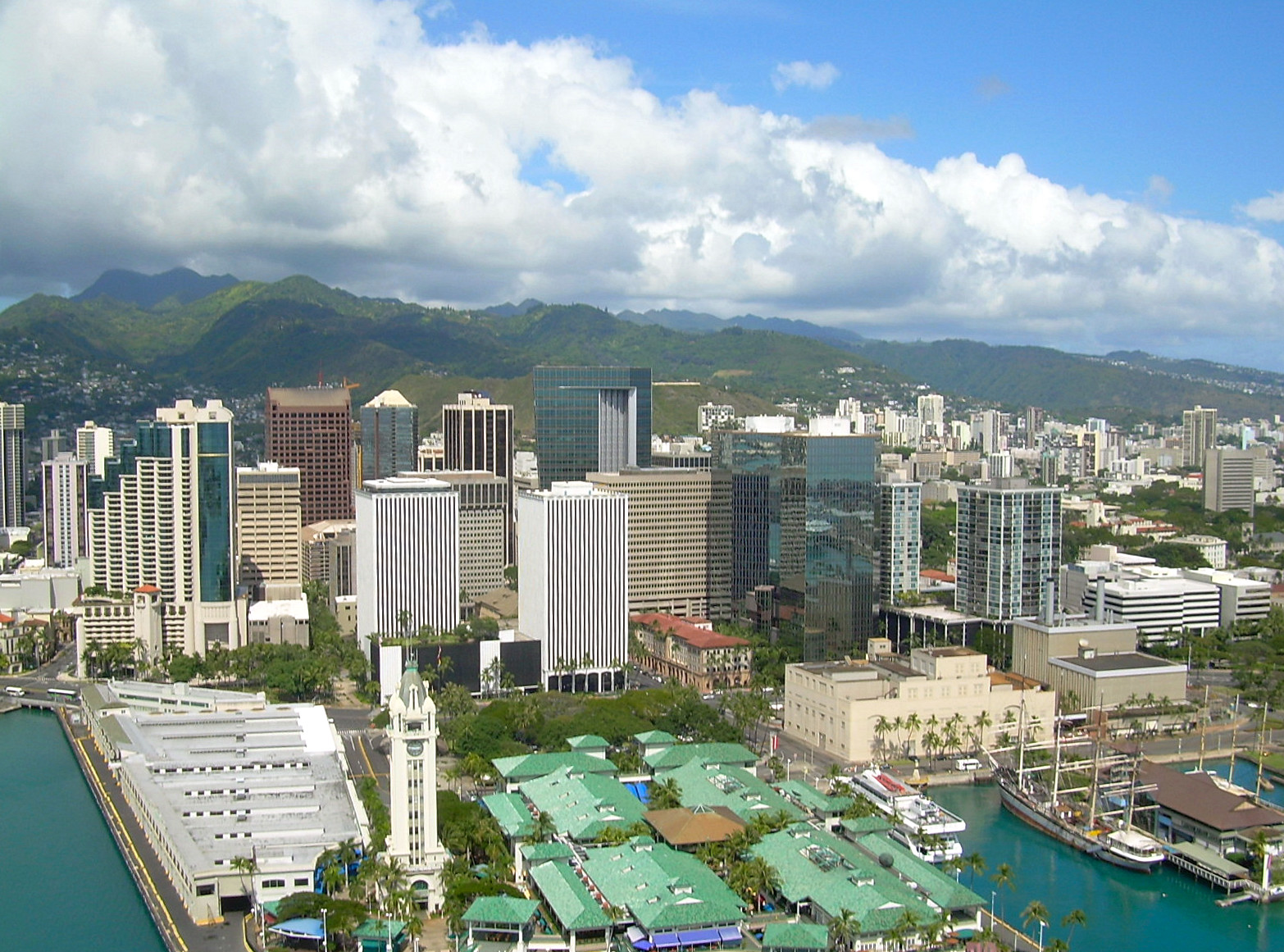
Finding cheap housing alternatives means you’ll live very far from town and have long commutes to work. Image is in public domain.
Incomes do not close that gap. The median household income in Hawaii is around $87,000 a year in 2026, which sounds high until you factor in everything else, and a single person needs $70,000 to $105,000 a year to live comfortably. That is why the cost of living in Hawaii makes it hard to support a household on one local paycheck.

Even though the median salary is higher in Hawaii, the cost of living outweighs it.
Electricity costs more than double the national average
Each island runs its own isolated power grid with no connection to any other power source, and most electricity is still generated from imported petroleum. Rates therefore follow global oil prices plus the cost of shipping that fuel. In 2026 electricity runs 39.89 cents per kWh, more than double the national average of about 17 cents, and a typical monthly bill for a three-bedroom home is $300 to $450. That is why rooftop solar is so common across the islands.
The general excise tax is built into prices
Hawaii does not have a conventional sales tax. Instead it charges a general excise tax on the gross receipts of businesses, and businesses typically pass that cost on to customers. Because the tax applies to business activity rather than only to the final sale, it can be charged more than once as goods and services move through the supply chain, adding a little more to the price at each step. Shipping is the bigger driver of high prices, but the excise tax touches nearly everything you buy.

Everything gets taxed in Hawaii, regardless of what you think.
M&m2.jpg by Anders Lagerasis licensed under CC BY-SA 3.0 / Image may have been resized or cropped from original

What it means if you are planning a move
None of this makes living in Hawaii impossible, but it does change the math. Most of the premium comes from geography, not from any one store or tax, so it follows you to every island. Before you plan a move, weigh the full pros and cons of living in Hawaii alongside your own budget.