
Living in Hawaii is more than just a dream; it is a reality for over 1.4 million people who call these islands home. But what does living in Hawaii really cost in 2026? As someone who helps thousands understand Hawaii life through this website, I will give you the unfiltered truth about making paradise your home. The good, the challenges, and everything you need to know.
Hawaii’s cost of living remains the highest in the nation, with a cost of living index around 193. In 2026, residents are navigating new financial realities, including a major inter-island shipping rate hike and evolving real estate trends. Understanding these elements is key to making informed decisions.
Why Living in Hawaii is Different
Living in Hawaii is not just about beautiful beaches and perfect weather; it is a complete lifestyle change that affects everything from your daily routine to your monthly budget. Unlike mainland living, Hawaii life means adjusting to island time, embracing outdoor living, and dealing with unique challenges like higher costs for basics and limited shopping options.
The isolation of living in Hawaii creates both benefits and challenges. While you enjoy year-round summer and some of the world’s best beaches, you will also face higher prices for everything from groceries to gas. The high cost of living is heavily influenced by our remote Pacific location, strict land-use laws, and high energy costs from imported fuel. Almost 3 years into my move to Hawaii, I can say I am adjusted, but it is a process.

The Real Cost of Living in Hawaii
For a comfortable life in Hawaii, single people typically need to earn between $70,000 and $105,000 per year. Families usually require between $125,000 and $210,000 to maintain a similar standard of living. The median household income is roughly $85,000. Inflation remains a factor, with the Honolulu area Consumer Price Index (CPI) advancing 2.4% over the 12 months ending in January 2026.

Monthly Expense Breakdown
Housing remains the largest expense for Hawaii residents. In Honolulu, the average apartment rent is currently $2,109 per month.
Average Monthly Rent in Honolulu (2026):
-
Studio: $1,813
-
One-Bedroom: $2,262
-
Two-Bedroom: $2,622
-
Three-Bedroom: $3,830
Utilities
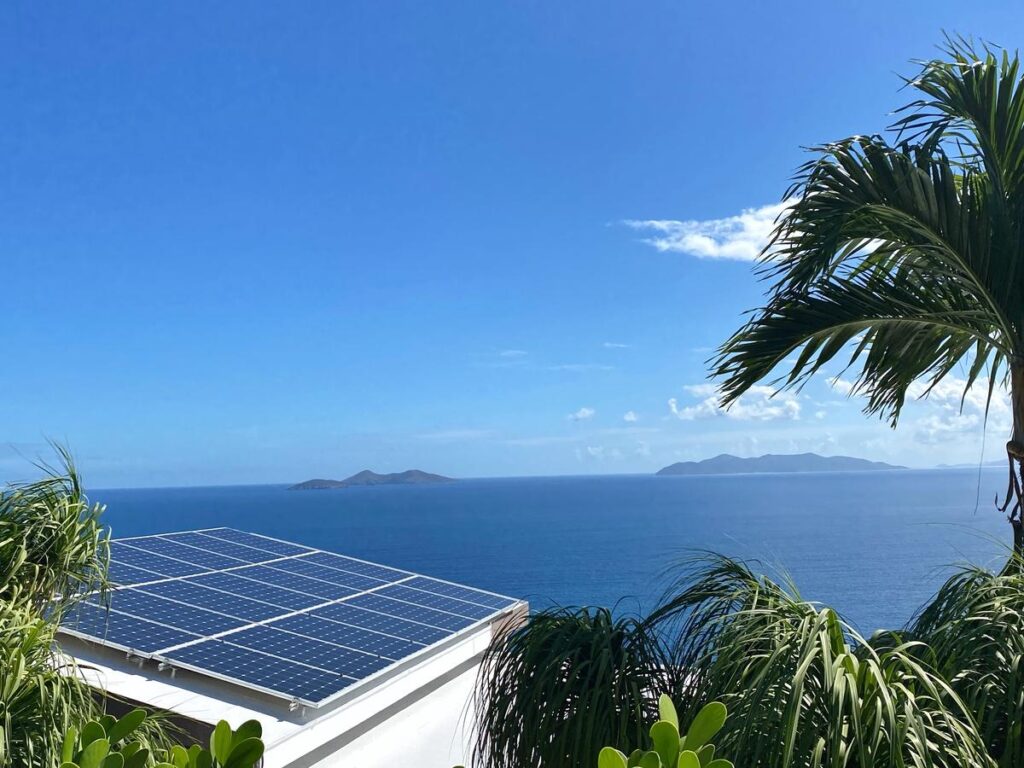
Hawaii has the highest electricity rates in the nation at 39.89¢ per kWh. However, because the climate is mild, Hawaii residents consume the lowest amount of power in the country, averaging just 509 kWh per month.
-
Average Electric Bill: Approximately $203 per month.
-
Usage Range: Electric bills typically range from $165 to $420 depending on AC use.
-
Water: Averages $52 to $72 monthly.
-
Internet: Costs $65 to $85 monthly.
-
Phone Service: Runs $55 to $95 monthly.
Food and Groceries
One of the biggest changes for 2026 is a 25.75% increase in inter-island freight rates that took effect on January 1. This shipping hike directly impacts food prices, especially on the neighbor islands.

-
Retail Impact: Outer island produce that ships twice is seeing an 8% to 12% retail increase.
-
Dining Out: Restaurant ingredients are up 5% to 8%, with a poke bowl on Kauai nearing $20 and a standard plate lunch approaching $27.
-
Common Items: Milk costs $6.25 to $9.25, bread is $6.25, and eggs are $5.10 per dozen.
-
Monthly Budget: A family of four spends $1,050 to $1,550 monthly on groceries.
Transportation
As of March 2026, the statewide average for regular gas is $4.981 per gallon.
-
Oahu (Honolulu): $4.859 per gallon.
-
Maui (Kahului/Wailuku): $5.040 per gallon.
-
Big Island (Hilo): $5.208 per gallon.
-
Kauai (Lihue): $5.337 per gallon.
-
Inter-island Shipping: Be prepared to pay 10% to 15% more this year to ship a vehicle due to new freight rates.
-
Car Insurance: Costs $155 to $210 monthly.
-
Vehicle Registration: Costs $50 to $165 annually.

“Peacock blocking morning traffic in Kihei, Maui, Hawaii” by Viriditas (CC BY-SA 3.0)
Housing Realities in Hawaii
The real estate market shifted in early 2026. In the Honolulu metro area, the median sales price is $1,285,000 for single-family homes and $658,000 for condominiums. Mortgage rates are hovering between 6.8% and 7.2%.
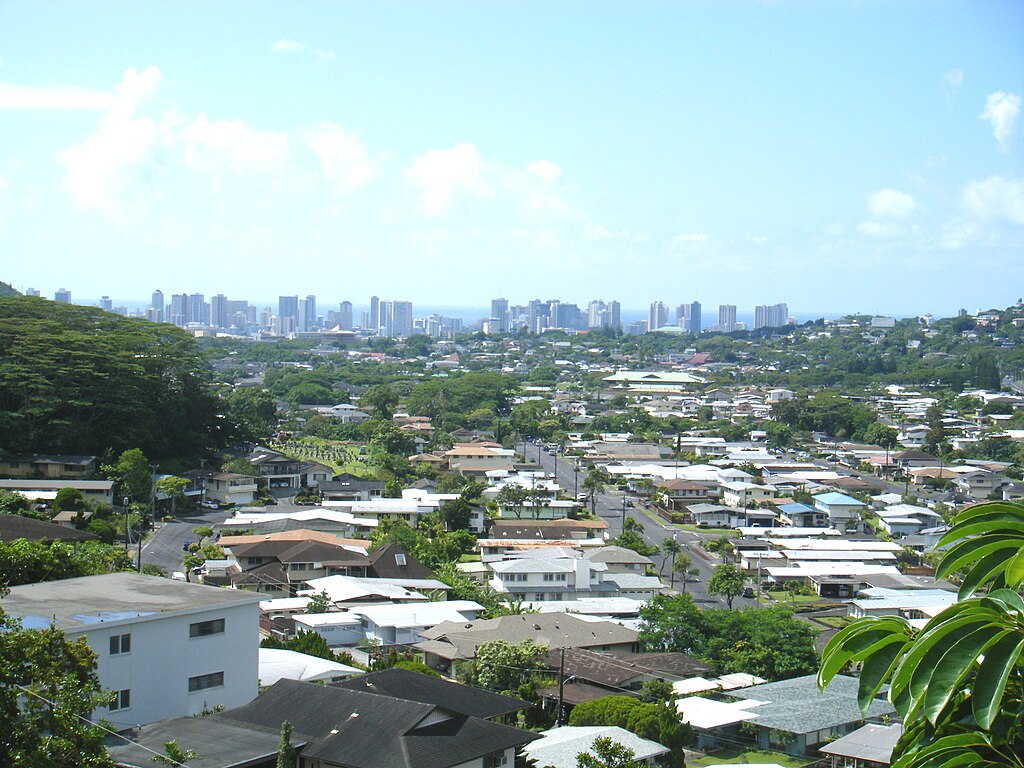
Photo by Travis.Thurston / CC BY-SA 3.0
Despite high home prices, Hawaii’s property tax rates remain incredibly low. For the 2025 to 2026 tax year, the standard Residential property tax rate in Honolulu is just $3.50 per $1,000 of net taxable value. On Maui, the owner-occupied rate for properties up to $1.3 million is just $1.65 per $1,000. The Big Island remains more affordable, with a median price near $975,000.
Finding Rentals:
-
Online Resources: Facebook marketplace and local Facebook groups often list rentals before major websites.
-
Word of Mouth: Many landlords prefer renting through personal connections.
-
Military Housing: Bases may open certain areas to DOD civilians or contractors if occupancy is low.
Location Considerations:
-
Oahu Values: Kalihi or Palolo Valley offer good value despite mixed reputations. Pearl City and Aiea provide a sweet spot of price and convenience.
-
Flood Zones: Experienced residents check flood maps before signing a lease.
Real-World Money Saving in Hawaii
-
Grocery Shopping: Marukai or Don Quijote memberships pay for themselves quickly for household supplies. Chinatown markets offer fresh produce for up to 50% lower than regular supermarkets.
-
Utilities: Experienced residents use AC only in bedrooms at night and rely on trade winds during the day. Time-of-use electricity rates mean running your washing machine at night can save money.
-
Transportation: Costco gas usually runs 40 to 50 cents cheaper per gallon. TheBus monthly pass ($70) pays for itself in just a few round trips.

Employment and Education
Job Market and Income
Hawaii’s job market primarily relies on tourism, agriculture, and government jobs. The state government is the largest employer, followed by the federal government.
-
Average Salary: About $54,000 per year, which is slightly below the national average.
-
In-Demand Fields: Healthcare (nurses, therapists), tourism, trades (electricians, carpenters), IT, and teaching.
-
Minimum Wage: Currently $14 per hour, increasing to $16 per hour by 2026.
Education
Hawaii relies on a single, statewide public school system.
-
Private Schools: Highly regarded but expensive, with tuition typically ranging from $10,000 to $30,000 per year. Elementary schools average $10,000 to $20,000, while high schools range from $15,000 to $25,000.
-
Higher Education: The University of Hawaii system offers in-state tuition between $10,000 and $20,000 per year.

Island-Specific Living
-
Oahu: Honolulu traffic is a major factor; a commute from the west side can take two hours. Living in “Town” means trading square footage for walking access to beaches and shops.
-
Maui: “Maui time” means simple repairs or services might take weeks to schedule due to limited providers.
-
Big Island: Vog (volcanic fog) is part of the weather vocabulary. The Kona side is typically twice as expensive as the rainy Hilo side.
-
Kauai: The “Kauai freeze” refers to the island’s ultra-relaxed pace. Roads on the north shore can occasionally close due to flooding in winter.
Social Life and Community Integration
-
Building Connections: Church groups, paddling clubs, and kids’ sports leagues are the best way to build instant social connections.
-
Talk Story: Casual conversation after an activity is as important as the activity itself.
-
Everyday Customs: Removing shoes before entering a home is automatic. Using “Auntie” and “Uncle” as terms of respect for elders shows cultural awareness.
-
Local Vocabulary: “Pau” (finished) is used in daily life, especially “pau hana” (finished work).

Photo by Fritzarnold2001 / CC BY-SA 4.0
Healthcare in Hawaii
Healthcare costs are rising, with Individual Marketplace plans seeing an 11.6% average rate increase for 2026.
-
Insurance: Individual plans range $460 to $520 per month, while family plans run $1,250 to $1,550.
-
Providers: Kaiser remains a popular choice for having doctors and insurance under one roof.
-
Specialists: Residents on neighbor islands often fly to Oahu for specialized treatments. Serious issues often require medivac to Oahu, which is very expensive without coverage.
Frequently Asked Questions
Can you live in Hawaii on $3,000 a month? It is possible but very difficult without roommates or a minimalist lifestyle. Most individuals need $4,800+ per month for essentials.
How much should I save before moving? Save at least $50,000 for rent deposits, shipping costs, and 3 to 6 months of living expenses.
What are the state taxes like? Hawaii has a progressive income tax with rates up to 11%. There is also a General Excise Tax (GET) typically 4% (4.5% on Oahu) applied to nearly all goods and services.
What is the Jones Act? A federal act that requires goods shipped between U.S. ports to use U.S. built, crewed, and flagged ships, which increases shipping costs to Hawaii.
Updated March 2026 with current market data. Costs and conditions vary significantly by location and lifestyle.
