
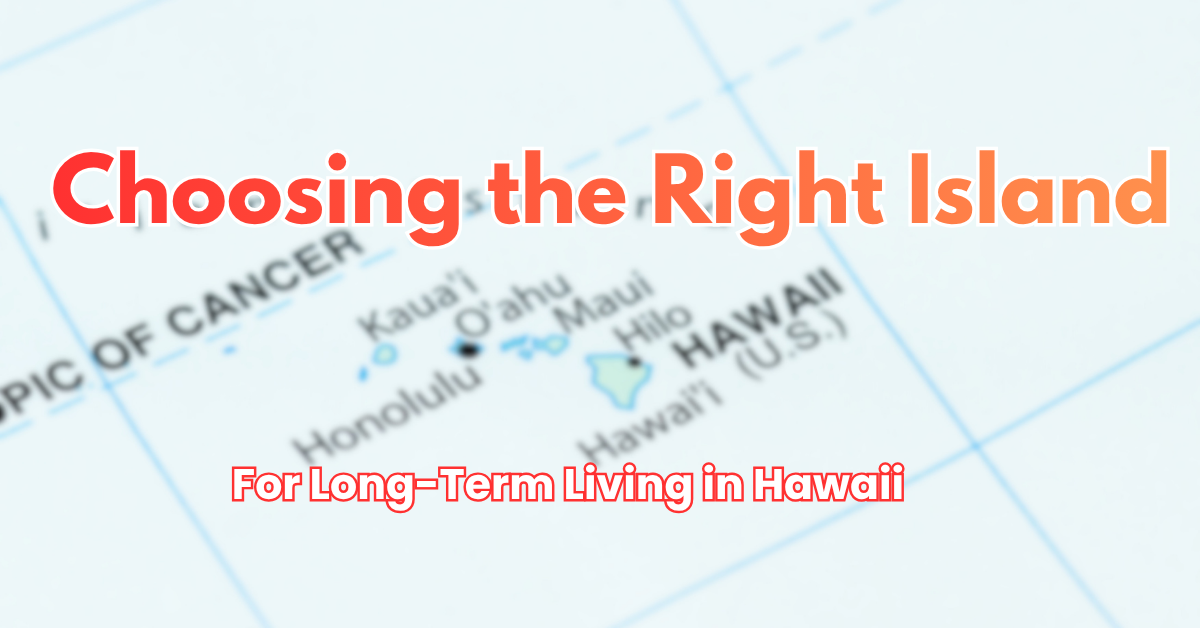
So, you’re dreaming of trading in your current life for swaying palm trees, warm ocean breezes, and the aloha spirit? You’re not alone. Many people are drawn to the unique allure of Hawaii, but the big question is: which island is the right island for you to call home long-term? Each of Hawaii’s major islands – Oahu, Maui, Kauai, and the Big Island – offers a distinct experience, and making the right choice depends on your individual priorities and lifestyle.
This guide dives deep into the nuances of each island, providing you with the insights you need to make an informed decision about your long-term home in Hawaii in 2026. We’ll explore the economic landscape, lifestyle offerings, and the often-overlooked realities of island living, ensuring you’re prepared for a successful transition.
Oahu: The Hub of Opportunity
Oahu, known as “The Gathering Place,” is the most populated and developed island in Hawaii. It’s the economic and cultural center, offering the widest range of job opportunities, entertainment, and amenities.
What Oahu Offers
Oahu boasts a diverse economy, with strong sectors in tourism, military, healthcare, and technology. Honolulu, the state capital, is a bustling city with a vibrant arts scene, world-class dining, and a thriving nightlife. Beyond the city, you’ll find stunning beaches like Waikiki, renowned surfing spots on the North Shore, and lush hiking trails in the Ko’olau Mountains.
The Reality Check
While Oahu offers the most conveniences, it also comes with the highest cost of living. Housing prices are significantly higher than on the other islands, and traffic congestion can be a major headache, especially during peak hours. The island’s popularity also means that it can feel crowded at times, particularly in tourist hotspots.
Economic Drivers in 2026
In 2026, Oahu’s economy continues to be driven by tourism, although efforts are underway to diversify into tech and renewable energy. The Honolulu Rail Transit project, now fully operational, has spurred development along its route, particularly in areas like Kapolei and Pearl City. These areas are seeing an influx of new housing and commercial developments, making them attractive options for those seeking a more suburban lifestyle.
Pros & Cons of Living on Oahu
Pros:
- Job Opportunities: The most diverse job market in Hawaii.
- Convenience: Wide range of shopping, dining, and entertainment options.
- Healthcare: Access to the best medical facilities in the state.
- Education: Numerous universities and colleges.
Cons:
- High Cost of Living: The most expensive island to live on.
- Traffic Congestion: Can be a major issue, especially in Honolulu.
- Crowds: Popular tourist destinations can feel overcrowded.
- Limited “Small Town” Feel: Less of a close-knit community vibe compared to other islands.
Maui: The Valley Isle
Maui is often described as a “best of both worlds” island, offering a balance of natural beauty, upscale amenities, and a more relaxed pace of life than Oahu.
What Maui Offers
Maui is renowned for its stunning beaches, including Kaanapali and Wailea, as well as the iconic Road to Hana, a scenic drive through lush rainforests and cascading waterfalls. The island also boasts a thriving arts and culture scene, with numerous galleries, theaters, and music venues.
The Reality Check
Maui’s popularity has driven up housing prices, making it one of the more expensive islands to live on. While the job market is decent, it’s heavily reliant on tourism, which can be vulnerable to economic fluctuations. Also, while Maui is less crowded than Oahu, it still attracts a significant number of tourists, especially during peak season.
Economic Drivers in 2026
Tourism remains the dominant force in Maui’s economy in 2026. However, there’s a growing emphasis on sustainable tourism and diversification into areas like agriculture and renewable energy. The island is also seeing an increase in remote workers, drawn by its natural beauty and laid-back lifestyle. Median home prices in areas like Kihei and Lahaina hover around $1.2 million, while condo prices in the same areas average $700,000.
Pros & Cons of Living on Maui
Pros:
- Natural Beauty: Stunning beaches, lush rainforests, and dramatic volcanic landscapes.
- Relaxed Lifestyle: A slower pace of life compared to Oahu.
- Upscale Amenities: High-end resorts, restaurants, and shopping.
- Strong Sense of Community: A close-knit community vibe, especially in smaller towns.
Cons:
- High Cost of Living: Housing prices are among the highest in Hawaii.
- Limited Job Market: Heavily reliant on tourism.
- Tourist Crowds: Can be crowded, especially during peak season.
- Potential for Isolation: Can feel isolated compared to Oahu.
Kauai: The Garden Isle
Kauai, known as “The Garden Isle,” is the oldest and greenest of the main Hawaiian islands. It’s a paradise for nature lovers, offering dramatic landscapes, pristine beaches, and endless opportunities for outdoor adventure.
What Kauai Offers
Kauai is famous for its stunning natural beauty, including the Na Pali Coast, Waimea Canyon (the “Grand Canyon of the Pacific”), and Hanalei Bay. The island is a haven for hikers, kayakers, and surfers, with numerous trails, rivers, and surf breaks to explore.
The Reality Check
Kauai’s remote location and limited infrastructure can make it challenging to live there full-time. The job market is small and primarily focused on tourism and agriculture. Housing options are limited, and prices can be high, especially in popular areas like Poipu and Princeville.
Economic Drivers in 2026
Tourism and agriculture remain the mainstays of Kauai’s economy in 2026. There’s a growing emphasis on sustainable tourism and organic farming, reflecting the island’s commitment to preserving its natural environment. The median home price on Kauai is around $900,000, while condo prices average $600,000. Job opportunities are primarily in the service industry, with average hourly wages around $20.
Pros & Cons of Living on Kauai
Pros:
- Unparalleled Natural Beauty: Dramatic landscapes and pristine beaches.
- Outdoor Recreation: Endless opportunities for hiking, kayaking, and surfing.
- Peace and Quiet: A slower pace of life and a tranquil atmosphere.
- Strong Sense of Community: A close-knit community vibe.
Cons:
- Limited Job Market: Small and primarily focused on tourism and agriculture.
- High Cost of Living: Housing prices can be high, especially in popular areas.
- Remote Location: Can feel isolated and challenging to access amenities.
- Limited Infrastructure: Fewer shopping, dining, and entertainment options.
The Big Island: Hawaii Island
The Big Island, officially named Hawaii Island, is the largest and most geographically diverse of the Hawaiian islands. It offers a unique blend of active volcanoes, black sand beaches, snow-capped mountains, and lush rainforests.
What the Big Island Offers
The Big Island is home to Volcanoes National Park, where you can witness the raw power of nature. The island also boasts diverse microclimates, ranging from tropical rainforests in Hilo to arid deserts in Kona. You can swim with manta rays at night, hike to waterfalls, and even ski on Mauna Kea in the winter.
The Reality Check
The Big Island’s vast size means that you’ll need a car to get around. The job market is limited and primarily focused on tourism, agriculture, and astronomy (due to the observatories on Mauna Kea). Housing prices vary widely depending on location, but can be relatively affordable compared to the other islands.
Economic Drivers in 2026
Tourism, agriculture (particularly coffee and macadamia nuts), and astronomy drive the Big Island’s economy in 2026. There’s a growing interest in sustainable agriculture and renewable energy, driven by the island’s unique environmental challenges. Median home prices in Kona are around $750,000, while in Hilo they average $550,000. The unemployment rate on the Big Island is typically higher than the state average, hovering around 5%.
Pros & Cons of Living on the Big Island
Pros:
- Diverse Geography: Active volcanoes, black sand beaches, snow-capped mountains, and lush rainforests.
- Affordable Housing: Relatively affordable housing options compared to other islands.
- Outdoor Adventure: Endless opportunities for hiking, camping, and exploring.
- Unique Experiences: Swimming with manta rays, visiting Volcanoes National Park.
Cons:
- Limited Job Market: Primarily focused on tourism, agriculture, and astronomy.
- Need for a Car: Essential for getting around the island.
- Varying Microclimates: Can experience extreme weather conditions in different areas.
- Potential for Volcanic Activity: Risk of volcanic eruptions and earthquakes.
Making the Right Choice for 2026
Choosing the right Hawaiian island for long-term living is a personal decision that depends on your individual priorities and lifestyle. Consider your career goals, budget, desired lifestyle, and tolerance for crowds and tourist activity.
- Oahu is the best choice for those seeking job opportunities, convenience, and a vibrant city life.
- Maui offers a balance of natural beauty, upscale amenities, and a more relaxed pace of life.
- Kauai is ideal for nature lovers who value peace and quiet and are willing to sacrifice some conveniences.
- The Big Island is a good option for those seeking affordable housing and diverse landscapes, but are prepared for a more remote and self-sufficient lifestyle.
Ultimately, the best way to decide which island is right for you is to visit each one and experience it for yourself. Talk to residents, explore different neighborhoods, and get a feel for the local culture. With careful planning and research, you can find your perfect island paradise in Hawaii.

What do you think?