

Dreaming of trading your mainland life for the Aloha State? Moving to Hawaii is a goal for many, conjuring images of pristine beaches, lush landscapes, and a laid-back lifestyle. But the reality of relocating to these beautiful islands involves careful planning and a realistic understanding of the challenges and rewards that await. This guide will provide you with a comprehensive overview of what to expect when moving to Hawaii in 2026, covering everything from the cost of living and housing to job opportunities and cultural considerations.
Is Moving to Hawaii Right for You? A Realistic Assessment
Before diving into the logistics, it’s essential to honestly assess whether moving to Hawaii aligns with your personality, lifestyle, and financial situation. The islands offer a unique and enriching experience, but they’re not for everyone.
The Allure of Island Life: Hawaii’s beauty is undeniable. From the volcanic landscapes of the Big Island to the vibrant beaches of Oahu and the serene beauty of Kauai, each island offers a distinct charm. The warm climate, outdoor recreational opportunities, and relaxed pace of life are major draws.
The Realities of Paradise: However, paradise comes at a price. The cost of living in Hawaii is significantly higher than on the mainland, particularly when it comes to housing, groceries, and transportation. Job opportunities can be limited, and salaries may not always reflect the high cost of living. Furthermore, adjusting to the local culture and overcoming feelings of isolation can be challenging for some newcomers.
Self-Reflection is Key: Ask yourself the following questions:
- Can I afford the high cost of living, including housing, transportation, and groceries?
- Am I prepared to adapt to a slower pace of life and a different cultural environment?
- Do I have realistic job prospects or a portable career that will allow me to thrive in Hawaii?
- Am I comfortable being geographically isolated from family and friends on the mainland?
- Am I open to embracing the local culture and respecting the traditions of the Hawaiian people?
Answering these questions honestly will help you determine if moving to Hawaii is the right decision for you.
Understanding the Cost of Living in Hawaii in 2026
The high cost of living is arguably the biggest hurdle for anyone considering a move to Hawaii. It’s crucial to understand the specific expenses you’ll face and how they compare to your current situation.
Housing Costs: A Major Factor: Housing is the single largest expense for most residents. Expect to pay significantly more for rent or a mortgage than you would on the mainland.
- Oahu: The most populated island, Oahu, has the highest housing costs. As of late 2025, the median home price on Oahu hovers around $1.1 million, and the average rent for a one-bedroom apartment in Honolulu is approximately $2,500 per month.
- Maui: Maui is another expensive island, known for its luxury resorts and stunning scenery. Median home prices are similar to Oahu, and rental rates are also high.
- Big Island: The Big Island offers more affordable housing options compared to Oahu and Maui, but prices are still higher than the national average. The median home price is around $650,000, and rental rates are generally lower.
- Kauai: Kauai is a smaller island with a more limited housing market, leading to higher prices. Expect to pay a premium for both purchasing and renting property.
Beyond Housing: Other Expenses to Consider:
- Groceries: Due to the reliance on imported goods, groceries are considerably more expensive in Hawaii. Expect to pay 20-30% more for basic food items than you would on the mainland.
- Transportation: Owning a car is almost essential in most parts of Hawaii, and the cost of gasoline is typically higher than the national average. Public transportation is available, but it may not be convenient for all areas.
- Utilities: Electricity costs are particularly high in Hawaii due to the reliance on imported oil. Expect to pay significantly more for your monthly electricity bill.

- Healthcare: Healthcare costs in Hawaii are generally comparable to the national average, but it’s important to have adequate health insurance coverage.
- Other Expenses: Don’t forget to factor in other expenses such as internet, phone, entertainment, and personal care.
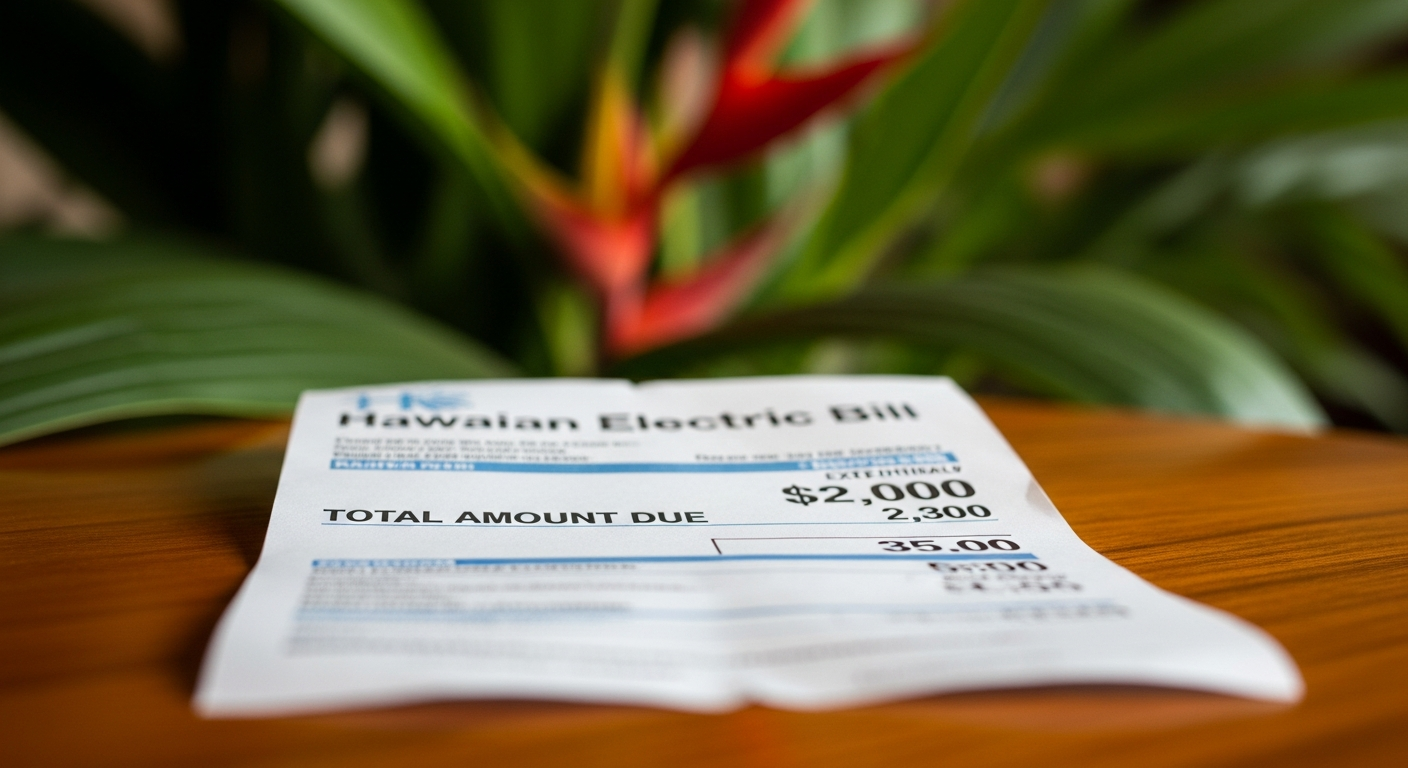
Budgeting and Financial Planning: Create a detailed budget that accounts for all your expected expenses. Consider downsizing your lifestyle, finding ways to save money, and exploring alternative housing options such as renting a room or living in a smaller apartment.
Finding a Job in Hawaii: Navigating the Market in 2026
Securing a job before you move to Hawaii is highly recommended. The job market can be competitive, and it’s essential to have a clear understanding of your employment prospects.
Top Industries in Hawaii:
- Tourism: Tourism is the largest industry in Hawaii, providing numerous job opportunities in hotels, restaurants, tour companies, and related businesses.
- Military: The military has a significant presence in Hawaii, offering employment opportunities for both active-duty personnel and civilians.
- Healthcare: The healthcare industry is growing in Hawaii, with increasing demand for doctors, nurses, and other healthcare professionals.
- Education: The education sector provides job opportunities in public and private schools, as well as colleges and universities.
Job Search Strategies:
- Online Job Boards: Utilize online job boards such as Indeed, LinkedIn, and Glassdoor to search for job openings in Hawaii.
- Networking: Network with people who live and work in Hawaii to learn about job opportunities and gain valuable insights.
- Recruiting Agencies: Consider working with a recruiting agency that specializes in placing candidates in Hawaii.
- Government Jobs: Explore job opportunities with the state and local governments.
Salary Expectations: Be realistic about your salary expectations. While some industries offer competitive salaries, others may pay less than you would expect on the mainland. Research the average salary for your profession in Hawaii to get a better understanding of what to expect.
Choosing the Right Island: Which Hawaiian Island is Best for You?
Each of the main Hawaiian Islands offers a unique experience, and choosing the right one is crucial to your overall satisfaction.
Oahu: The Hub of Activity: Oahu is the most populated island and the center of commerce and tourism. It offers a wide range of job opportunities, cultural attractions, and recreational activities.
- Pros: Abundant job opportunities, diverse cultural experiences, vibrant nightlife, excellent shopping and dining options.
- Cons: Highest cost of living, heavy traffic congestion, crowded beaches, less “island feel” compared to other islands.
Maui: The Valley Isle: Maui is known for its stunning beaches, lush valleys, and world-class resorts. It’s a popular destination for tourists and offers a more relaxed lifestyle than Oahu.
- Pros: Beautiful scenery, excellent beaches, strong tourism industry, a good balance of activity and relaxation.
- Cons: High cost of living, limited job opportunities outside of tourism, can feel crowded during peak season.
Big Island: The Island of Adventure: The Big Island is the largest island in the Hawaiian chain and offers a diverse range of landscapes, from active volcanoes to snow-capped mountains. It’s a great choice for outdoor enthusiasts and those seeking a more affordable lifestyle.
- Pros: More affordable housing options, diverse landscapes, abundant outdoor recreational opportunities, less crowded than Oahu and Maui.
- Cons: Limited job opportunities, requires more driving to get around, can feel isolated in some areas.
Kauai: The Garden Isle: Kauai is known for its dramatic cliffs, lush rainforests, and pristine beaches. It’s a smaller island with a more laid-back atmosphere, ideal for those seeking peace and tranquility.
- Pros: Stunning natural beauty, peaceful and relaxed atmosphere, excellent hiking and kayaking opportunities, less crowded than Oahu and Maui.
- Cons: Limited job opportunities, higher cost of living due to limited housing, can feel isolated for some.

Other Islands: Molokai and Lanai offer even more remote and secluded experiences, but job opportunities are extremely limited, and the cost of living can be surprisingly high due to the need to import goods.
Preparing for Your Move: Logistics and Practical Considerations
Once you’ve decided to move to Hawaii, there are several practical considerations to address.
Shipping Your Belongings: Shipping your belongings to Hawaii can be expensive, so it’s essential to carefully consider what you need to bring.
- Cost Comparison: Obtain quotes from several shipping companies to compare prices and services.
- Downsizing: Consider downsizing your belongings to reduce shipping costs.
- Alternatives: Explore alternatives such as selling your furniture and buying new items in Hawaii.
Finding Housing: Securing housing before you arrive is highly recommended.
- Rental Websites: Utilize online rental websites such as Zillow, Apartments.com, and Craigslist to search for available properties.
- Real Estate Agents: Consider working with a real estate agent who specializes in rentals.
- Temporary Housing: If you can’t find permanent housing before you arrive, consider booking temporary accommodation such as a hotel or Airbnb.
Setting Up Utilities: Arrange to have your utilities set up before you arrive.
- Electricity: Contact Hawaiian Electric to set up your electricity service.
- Water: Contact the local water department to set up your water service.
- Internet and Phone: Contact internet and phone providers to set up your service.
Registering Your Vehicle: If you plan to bring your car to Hawaii, you’ll need to register it with the state.
- Out-of-State Inspection: Have your vehicle inspected at an official inspection station.
- Vehicle Registration: Register your vehicle with the County Department of Motor Vehicles.
- Hawaii Driver’s License: Obtain a Hawaii driver’s license within 30 days of becoming a resident.

The H3 by 98477611@N00 is licensed under CC BY 2.0. Image may have been resized or cropped from original.
Embracing the Culture: Respect and Integration
Moving to Hawaii is not just about changing your location; it’s about embracing a new culture.
Respect for the Hawaiian Culture: It’s essential to respect the traditions and customs of the Hawaiian people.
- Learn Basic Hawaiian Phrases: Learn a few basic Hawaiian phrases such as “Aloha” (hello/goodbye) and “Mahalo” (thank you).
- Remove Your Shoes: It’s customary to remove your shoes when entering someone’s home.
- Respect the Land: Treat the land with respect and avoid littering or damaging natural resources.
Integrating into the Community:
- Get Involved: Get involved in local community events and activities.
- Volunteer: Volunteer your time to local organizations.
- Support Local Businesses: Support local businesses and farmers markets.
Understanding Local Customs:
- Aloha Spirit: Embrace the “Aloha Spirit” of warmth, kindness, and compassion.
- Pace of Life: Adapt to a slower pace of life and avoid rushing or being impatient.
- Island Time: Be aware that things may not always happen on schedule, and flexibility is key.
Moving to Hawaii in 2026 can be an incredible adventure. By carefully planning, understanding the challenges, and embracing the culture, you can make your island dream a reality. Remember to stay flexible, be open to new experiences, and enjoy the beauty and aloha that Hawaii has to offer.

What do you think?