
Are you considering a move to the beautiful islands of Hawaii and have children? Understanding the Hawaii school system is crucial for a smooth transition. This comprehensive guide provides an updated look at Hawaii’s schools in 2026, covering everything from public and private school options to district rankings and enrollment tips. We’ll dive deep into the realities of education in the Aloha State, helping you make informed decisions for your family’s future.
Understanding Hawaii’s Public School System
Hawaii’s public school system is unique compared to the Mainland. Instead of independent county or city school districts, the entire state operates as a single school district: the Hawaii Department of Education (HIDOE). This centralized system has both advantages and disadvantages, which we’ll explore.
The Structure of HIDOE
The HIDOE oversees all public schools across the islands, from pre-kindergarten through 12th grade. It’s governed by the Board of Education, whose members are appointed by the governor. The Superintendent of Education manages the day-to-day operations of the system.
The ‘What’: A single, statewide public school system.
The ‘Why’: Historical reasons and a desire for equitable resource distribution across all islands.
The ‘Insider Reality’: While intended to equalize resources, this centralization can sometimes lead to bureaucratic inefficiencies and a one-size-fits-all approach that doesn’t always cater to the unique needs of individual communities.
The Data: HIDOE oversees approximately 257 schools and serves over 180,000 students statewide.
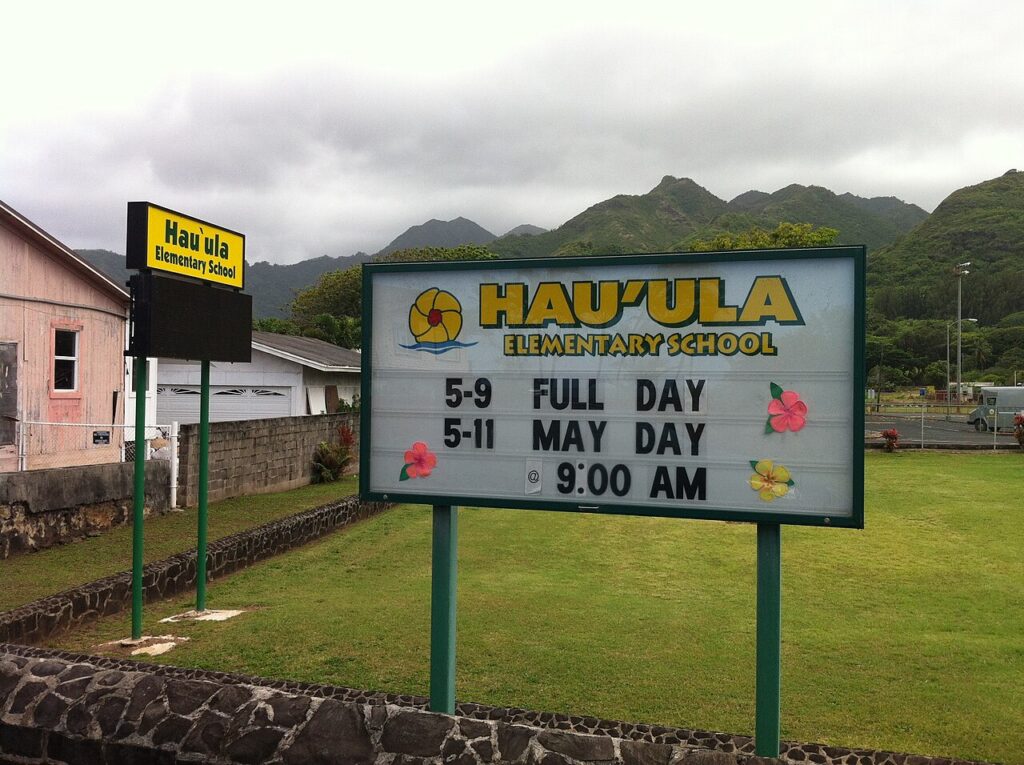
Photo by Travis.Thurston, CC BY-SA 3.0, via Wikimedia Commons
Public School Rankings and Performance
Hawaii’s public schools often face scrutiny in national rankings. While some schools excel, overall performance can lag behind other states. Understanding the factors contributing to these rankings is essential.
The ‘What’: Hawaii’s public schools’ rankings often place it lower than other states.
The ‘Why’: Factors include funding disparities, teacher shortages in certain areas, and the unique challenges of serving a diverse student population across multiple islands.
The ‘Insider Reality’: Rankings don’t tell the whole story. Many dedicated teachers and administrators are working tirelessly to improve outcomes for their students. The quality of education can vary significantly from school to school, even within the same district.
The Data: According to recent reports, Hawaii’s average SAT scores and graduation rates are below the national average. However, certain schools consistently outperform others.
Key Considerations for Public School Enrollment
Enrolling your child in a Hawaii public school involves understanding the geographical residency requirements, school choice options, and available programs.
The ‘What’: Enrollment is primarily based on geographical residency.
The ‘Why’: To ensure that students attend schools within their local communities.
The ‘Insider Reality’: While residency is the primary factor, some school choice options exist, such as geographic exceptions and specialized programs. However, these options can be competitive, and acceptance is not guaranteed.
The Data: You’ll need to provide proof of residency, such as a lease agreement or utility bill, to enroll your child. The HIDOE website provides detailed information on enrollment requirements and procedures.
Exploring Private School Options in Hawaii
For families seeking alternative educational experiences, Hawaii offers a diverse range of private schools. These schools often boast smaller class sizes, specialized programs, and unique educational philosophies.
Types of Private Schools Available
Hawaii’s private schools encompass various types, including:
- College Preparatory Schools: Focus on rigorous academics and preparing students for higher education.
- Religious Schools: Integrate faith-based teachings into the curriculum.
- Montessori Schools: Emphasize hands-on learning and individualized instruction.
- Specialty Schools: Cater to specific learning needs or interests, such as arts or STEM.
The ‘What’: A wide range of private school options are available.
The ‘Why’: To cater to diverse educational philosophies and family preferences.
The ‘Insider Reality’: Private schools can be highly competitive, with selective admissions processes and high tuition costs. However, they may offer smaller class sizes, specialized programs, and a more personalized learning environment.
The Data: Tuition costs can range from $10,000 to $30,000+ per year, depending on the school. Many schools offer financial aid or scholarships to eligible students.
The Application Process for Private Schools
Applying to a private school in Hawaii typically involves submitting an application, providing transcripts and test scores, participating in an interview, and potentially completing an entrance exam.
The ‘What’: A comprehensive application process.
The ‘Why’: To assess a student’s academic abilities, character, and fit for the school’s community.
The ‘Insider Reality’: Start the application process well in advance, as deadlines can be competitive. Emphasize your child’s unique strengths and interests in the application and interview.
The Data: Application deadlines typically fall in the fall or winter for the following school year. Contact the individual schools directly for specific deadlines and requirements.
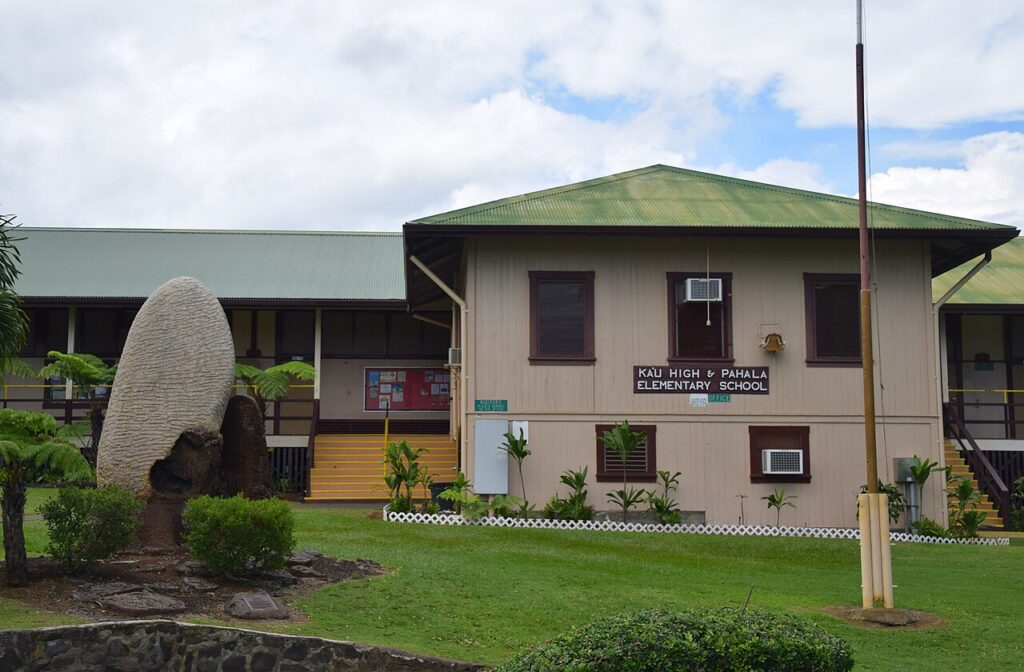
Photo by Yoshi Canopus, CC BY-SA 4.0, via Wikimedia Commons
Notable Private Schools in Hawaii
Some of the most well-regarded private schools in Hawaii include:
- Punahou School: Known for its rigorous academics and prestigious alumni.
- Iolani School: A highly selective college preparatory school with a strong emphasis on character development.
- Kamehameha Schools: Dedicated to serving students of Hawaiian ancestry.
- Mid-Pacific Institute: Offers a diverse range of programs, including arts, technology, and international studies.
The ‘What’: Several highly respected private schools operate in Hawaii.
The ‘Why’: These schools have a long history of academic excellence and a commitment to serving their communities.
The ‘Insider Reality’: Gaining admission to these schools can be challenging, but the rewards can be significant. Graduates often go on to attend top universities and pursue successful careers.
The Data: These schools consistently rank among the top in the state in terms of academic performance, graduation rates, and college acceptance rates.
Homeschooling in Hawaii: A Growing Trend
Homeschooling is becoming an increasingly popular option for families in Hawaii. The state has relatively flexible homeschooling laws, making it an attractive alternative to traditional schooling.
Legal Requirements for Homeschooling
To homeschool in Hawaii, parents must:
- Submit a notice of intent to homeschool to the Department of Education.
- Provide instruction in required subjects, such as language arts, mathematics, science, and social studies.
- Submit annual progress reports to the Department of Education.
The ‘What’: Relatively straightforward legal requirements for homeschooling.
The ‘Why’: To ensure that homeschooled students receive a quality education.
The ‘Insider Reality’: While the legal requirements are not overly burdensome, it’s essential to be prepared to dedicate significant time and resources to homeschooling. Parents should also consider joining a local homeschooling support group for guidance and resources.
The Data: The number of families choosing to homeschool in Hawaii has been steadily increasing in recent years.
Resources and Support for Homeschooling Families
Numerous resources and support groups are available for homeschooling families in Hawaii, including:
- The Hawaii Homeschool Association: Provides information, resources, and support to homeschooling families.
- Local homeschooling co-ops: Offer opportunities for students to socialize and participate in group activities.
- Online homeschooling curricula: Provide structured lesson plans and resources for various subjects.
The ‘What’: A growing network of resources and support for homeschooling families.
The ‘Why’: To help parents provide a high-quality education to their children at home.
The ‘Insider Reality’: Homeschooling can be a rewarding but challenging experience. It’s essential to connect with other homeschooling families and take advantage of available resources to avoid burnout and ensure your child’s success.
The Data: Many online resources and curricula are available specifically tailored to homeschooling in Hawaii.
Navigating School Districts and Neighborhoods
Choosing the right neighborhood can significantly impact your child’s educational opportunities. Understanding the strengths and weaknesses of different school districts is crucial.
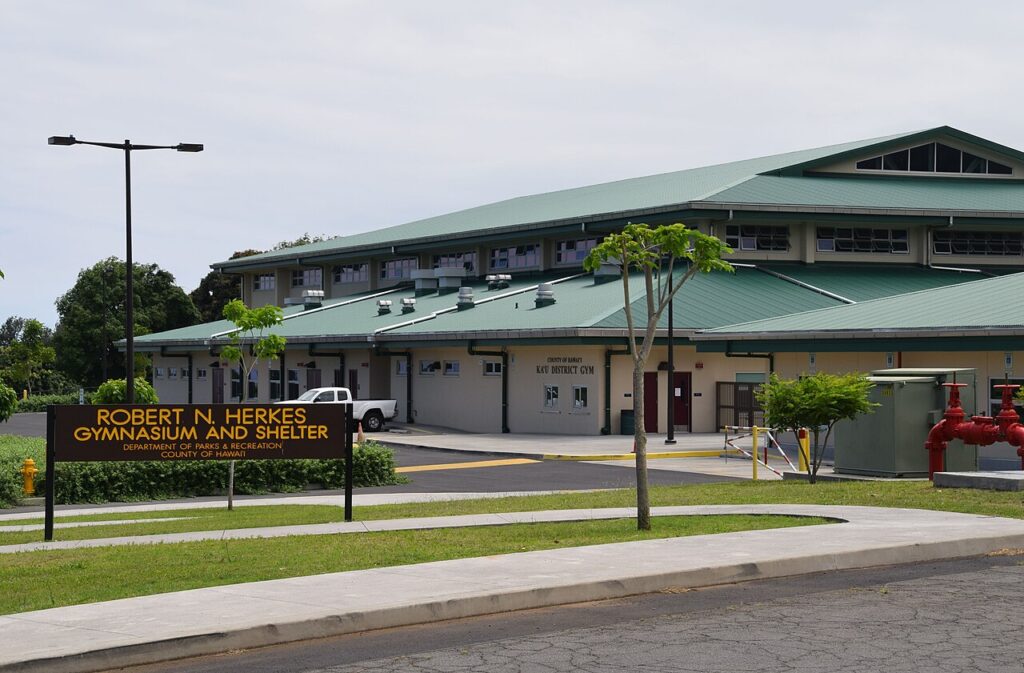
Photo by Yoshi Canopus, CC BY-SA 4.0, via Wikimedia Commons
Overview of Key School Districts on Oahu
While Hawaii has a single statewide school district, certain areas on Oahu are known for having higher-performing schools. These areas often correlate with higher property values and a greater demand for housing.
The ‘What’: Certain areas on Oahu are known for having better schools.
The ‘Why’: Factors include socioeconomic status, parental involvement, and the quality of teachers and administrators.
The ‘Insider Reality’: Popular areas like Hawaii Kai, Aina Haina, and Kahala often have highly-regarded public schools, but housing costs in these areas can be significantly higher than in other parts of the island.
The Data: Test scores and graduation rates tend to be higher in schools located in wealthier neighborhoods.
Pros and Cons of Different Neighborhoods
Here’s a brief overview of some popular neighborhoods and their associated schools:
- Hawaii Kai:
- Pros: Excellent public schools, family-friendly community, beautiful scenery.
- Cons: High housing costs, longer commute to downtown Honolulu.
- Aina Haina:
- Pros: Highly-rated public schools, quiet residential area, close to beaches.
- Cons: Limited commercial development, higher property taxes.
- Kahala:
- Pros: Prestigious neighborhood, top-performing schools, close to Waikiki.
- Cons: Very high housing costs, limited housing availability.
- Mililani:
- Pros: Affordable housing, good schools, family-oriented community.
- Cons: Further from Honolulu, can be hot and humid.
- Ewa Beach/Kapolei:
- Pros: Newer homes, more affordable than Honolulu, growing community.
- Cons: Longer commute to Honolulu, schools are still developing.
The ‘What’: Tradeoffs exist between housing costs, school quality, and commute times.
The ‘Why’: To help families make informed decisions based on their priorities and budget.
The ‘Insider Reality’: Don’t solely rely on test scores when evaluating schools. Visit the schools, talk to teachers and parents, and consider your child’s individual needs and learning style.
The Data: Housing costs in Hawaii Kai and Kahala can be two to three times higher than in Mililani or Ewa Beach.
Tips for a Smooth Transition to Hawaii Schools
Relocating to Hawaii with children can be a challenging but rewarding experience. Here are some tips to help ensure a smooth transition:
- Research schools thoroughly: Visit school websites, read reviews, and talk to current parents.
- Contact the school directly: Schedule a tour and ask questions about the curriculum, programs, and enrollment process.
- Gather necessary documents: Ensure you have all required documents, such as birth certificates, immunization records, and proof of residency.
- Prepare your child for the move: Talk to your child about the move, address their concerns, and get them excited about the new adventure.
- Connect with other families: Join local parent groups or online forums to connect with other families who have relocated to Hawaii.
- Be patient: Adjusting to a new school and community takes time. Be patient with your child and yourself as you navigate the transition.
The ‘What’: Practical advice for a successful school transition.
The ‘Why’: To minimize stress and maximize your child’s chances of success in their new school.
The ‘Insider Reality’: The aloha spirit extends to the schools. Most teachers and administrators are welcoming and supportive of new students and families.
The Data: Studies show that children who are well-prepared for a move and have strong social support networks tend to adjust more easily to their new environment.
By understanding the nuances of the Hawaii school system, exploring your options, and preparing your family for the transition, you can ensure a positive and enriching educational experience for your children in the Aloha State.


What do you think?