
Moving to Hawaii is a dream for many, conjuring images of sun-kissed beaches, lush landscapes, and a relaxed pace of life. But before you can trade your snow boots for sandals, there’s a crucial step to tackle: downsizing. Moving your entire life across the Pacific is expensive and often unnecessary. This guide will walk you through the process of downsizing for your Hawaii move in 2026, helping you decide what to bring, what to leave behind, and how to prepare for a simpler, more fulfilling island life.
Why Downsize for a Hawaii Move?
Downsizing isn’t just about fitting your belongings into a smaller space; it’s about embracing a new lifestyle. Here’s why it’s so important for a Hawaii move:
- Lower Moving Costs: Shipping containers and air freight are expensive. The less you bring, the less you’ll pay. Expect to pay thousands of dollars to ship a standard household’s worth of possessions. Downsizing can significantly reduce these costs.
- Smaller Living Spaces: Many homes and apartments in Hawaii, especially in desirable areas, are smaller than those on the Mainland. High land costs and population density contribute to this. You might find that your existing furniture simply won’t fit.
- Embrace Minimalism: Island life encourages a simpler, more relaxed lifestyle. Less clutter means less stress and more time to enjoy the natural beauty around you. It’s a chance to shed the excess and focus on experiences rather than possessions.
- Climate Considerations: Hawaii’s tropical climate can be tough on certain items. Humidity and salt air can damage furniture, electronics, and clothing. Bringing only essential, durable items will save you money and prevent heartbreak down the line.
- New Beginnings: Moving to Hawaii is a fresh start. Downsizing allows you to leave behind the baggage (literal and figurative) of your past and embrace a new chapter with a lighter load.
The Downsizing Process: A Step-by-Step Guide
Downsizing can feel overwhelming, but breaking it down into manageable steps makes the process much easier.
1. The Inventory: Assessing Your Belongings
Start by taking a comprehensive inventory of everything you own. This includes furniture, clothing, electronics, kitchenware, books, decorations, and everything in between. Be honest with yourself about what you truly need and use.
- Categorize: Divide your belongings into categories like “Keep,” “Sell,” “Donate,” and “Discard.”
- Be Ruthless: Ask yourself tough questions: Have I used this in the past year? Does it bring me joy? Is it easily replaceable in Hawaii? If the answer to any of these questions is no, it’s likely time to let it go.
- Consider Sentimental Items: It’s okay to keep some sentimental items, but be selective. Choose a few key pieces that hold special meaning and let go of the rest.
2. Furniture: To Bring or Not to Bring?
Furniture is often the biggest and most expensive item to move. Consider these factors when deciding what to bring:
- Size and Style: Will your furniture fit in your new home in Hawaii? Does it match the island aesthetic? Bulky, dark furniture can feel out of place in a tropical setting.
- Condition: Is your furniture in good condition? If it’s worn or damaged, it might be better to sell it and buy new pieces in Hawaii.
- Cost: Compare the cost of shipping your furniture to the cost of buying new furniture in Hawaii. Factor in the potential for damage during shipping.
- Alternatives: Consider purchasing furniture on island. There are many stores on Oahu and the Big Island with furniture that better suits the climate and lifestyle.
Pros of Bringing Furniture:
- You already own it, avoiding the cost of buying new furniture.
- Sentimental value.
- May be difficult to replace certain unique or antique items.
Cons of Bringing Furniture:
- High shipping costs.
- Potential for damage during shipping.
- May not fit in your new home or match the island aesthetic.
- Susceptible to mold and mildew in Hawaii’s humid climate.
3. Clothing: Adapting to the Island Wardrobe
Hawaii’s climate calls for a different wardrobe than most mainland locations.
- Lightweight Fabrics: Focus on lightweight, breathable fabrics like cotton, linen, and rayon.
- Casual Attire: Island life is generally casual. You’ll need fewer formal outfits than you might think.
- Swimwear and Beach Gear: Pack plenty of swimwear, beach towels, and reef-safe sunscreen.
- Shoes: Sandals, flip-flops (slippers in Hawaii), and water shoes are essential.
- Minimize Winter Clothing: You won’t need heavy coats, sweaters, or boots. A light jacket or sweater is sufficient for cooler evenings or trips to higher elevations.
4. Electronics: What to Keep and What to Replace
Electronics can be tricky to move. Consider these factors:
- Voltage Compatibility: Ensure your electronics are compatible with Hawaii’s 120V power supply. You may need adapters or converters.
- Climate Sensitivity: Humidity can damage electronics. Consider investing in dehumidifiers or using protective cases.
- Cost of Replacement: Compare the cost of shipping your electronics to the cost of replacing them in Hawaii.
- Entertainment: Consider subscribing to streaming services instead of bringing a large collection of DVDs or CDs.
5. Kitchenware: Essential vs. Excess
Kitchenware can take up a lot of space. Be selective about what you bring.
- Essential Items: Focus on essential cooking utensils, pots, pans, and dishes.
- Specialty Items: Consider leaving behind specialty items that you don’t use often.
- Appliances: Small appliances like toasters and blenders are relatively inexpensive to replace.
- Outdoor Cooking: If you plan to do a lot of outdoor cooking, consider investing in a portable grill or smoker in Hawaii.
6. Sentimental Items: Preserving Memories Without Clutter
It’s important to keep some sentimental items, but don’t let them become clutter.
- Photos: Digitize your photos and store them on a hard drive or in the cloud.
- Heirlooms: Choose a few key heirlooms that hold special meaning.
- Letters and Cards: Scan important letters and cards and store them digitally.
- Create a Memory Box: Consider creating a small memory box to store a few treasured items.
7. Selling, Donating, and Discarding: Letting Go
Once you’ve decided what to downsize, it’s time to sell, donate, or discard your unwanted items.
- Selling: Sell valuable items online, at consignment shops, or at garage sales.
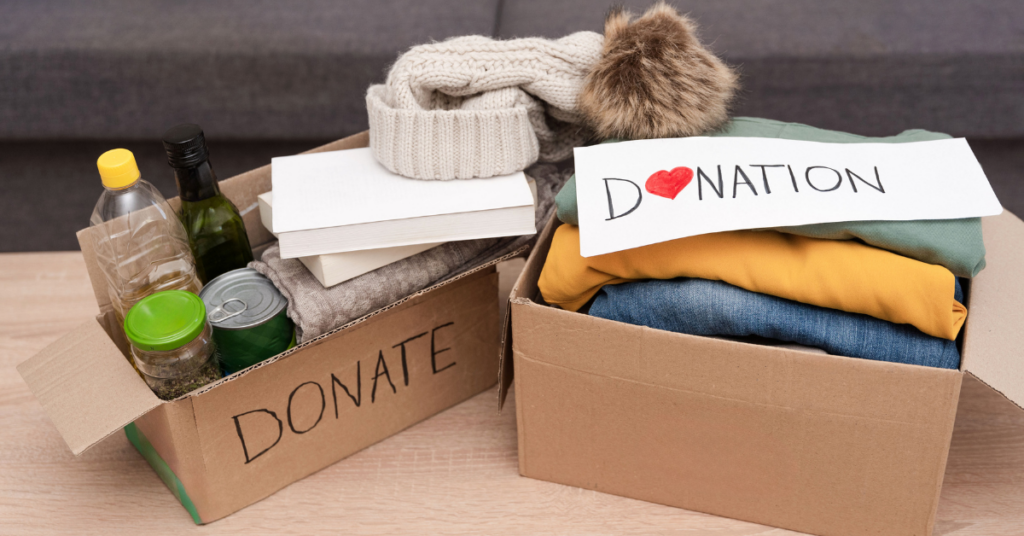
- Donating: Donate gently used items to local charities.
- Discarding: Dispose of broken or unusable items responsibly.
Preparing for Island Life: What to Buy in Hawaii
While downsizing is essential, there are some things you’ll want to buy once you arrive in Hawaii.
- Beach Gear: Stock up on beach towels, sunscreen, hats, and sunglasses.
- Outdoor Furniture: Invest in comfortable outdoor furniture for your lanai (patio or balcony).
- Local Art and Decor: Add a touch of island style to your home with local art and decor.
- Plants: Bring the beauty of Hawaii indoors with tropical plants.
- Water Filter: Consider purchasing a water filter, as tap water quality can vary.
The “Real Talk” on Downsizing: Challenges and Considerations
Downsizing for a Hawaii move isn’t always easy. Here are some challenges and considerations to keep in mind:
- Emotional Attachment: It can be difficult to let go of items that hold sentimental value.
- Time Constraints: Downsizing takes time and effort. Start early and give yourself plenty of time to complete the process.
- Decision Fatigue: Making so many decisions can be exhausting. Take breaks and ask for help from friends or family.
- Cost of Replacing Items: Consider the cost of replacing items you downsize if you later decide you need them.
- Shipping Delays: Be aware that shipping delays can occur. Plan accordingly and allow extra time for your belongings to arrive.
Conclusion: Embracing a Simpler Life in Paradise
Downsizing for a Hawaii move is more than just getting rid of stuff; it’s about embracing a simpler, more fulfilling life. By carefully assessing your belongings, making smart decisions about what to bring, and letting go of the excess, you can prepare for a smooth transition to island life and create a home that reflects your new, relaxed lifestyle. Remember, the true treasures of Hawaii are the experiences, the natural beauty, and the aloha spirit – not the material possessions you bring with you.

What do you think?