

Building on Raw Land in Hawaiʻi: Feasibility, Permitting, and Infrastructure Costs
By Maile Woodhall
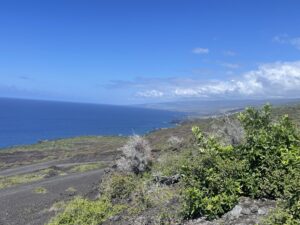
Building on raw land in Hawaiʻi is one of the most common goals I hear from buyers across the islands.
Whether it’s a few acres in Kona, a larger agricultural parcel in Kaʻū, or a private estate opportunity in Waimea, the vision is usually the same. Open space, privacy, and the ability to create something of your own.
But what most people don’t realize is this.
Building in Hawaiʻi is not just about finding the right property. It’s about understanding whether that property can actually support your vision.
The key is knowing what to look for before you buy.
Phase One Feasibility: What You Need to Know Before You Buy Land in Hawaiʻi
Before you submit an offer, you need clarity on one question.
Can this land actually be built on?
This is where due diligence becomes everything.
Building Area and Topography
Not all land is usable. A five acre parcel may only have a small portion that is truly buildable depending on slope, access, and county setback requirements. Reviewing contour maps and county GIS early on helps identify where your home can realistically be placed.
Septic and Percolation Testing
If a property cannot support a standard septic system, your costs and timeline can shift quickly. Alternative systems are available, but they are more complex and often more expensive. This is something you want to understand during your inspection period.
Power Options in Hawaiʻi
Some properties have access to utility power, while others require solar and battery systems. Extending power lines can be costly depending on location, which is why many buyers choose off grid solutions. Either way, planning ahead is critical.
Flood Zones, Lava Zones, and Land Restrictions
Flood zone designations, lava zones, and potential cultural or historical sites all play a role in whether and how you can build. These factors can impact insurance, permitting timelines, and overall feasibility.
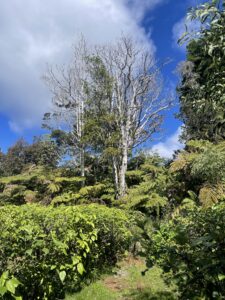
Phase Two Permitting: What to Expect When Building in Hawaiʻi
Permitting is one of the most important and often underestimated parts of building in Hawaiʻi.
Most projects will require multiple approvals including building permits, grading permits, septic approvals, and electrical coordination. Coastal properties may also require shoreline setback approvals.
Many buyers choose to work with a local permitting specialist or expediter. Having someone who understands the county process can significantly improve timelines and reduce delays.
Typical timelines vary.
Simpler builds on serviced lots may take six to ten months for permitting. More complex or off grid projects can take a year or longer. Planning for this upfront allows you to move forward with realistic expectations.
Phase Three Infrastructure: The Real Cost of Building on Land in Hawaiʻi
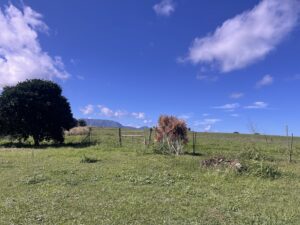
This is where the numbers start to matter.
Infrastructure is not always obvious when you first walk a property, but it has a major impact on your overall investment.
Access and Roads
Creating access can range from basic grading to more complex roadwork depending on terrain.
Water Systems
Most agricultural and rural properties rely on catchment or wells. Catchment systems are common and effective, while wells can vary significantly depending on location.
Power Setup
Whether you are connecting to utility power or installing solar, this is one of the biggest decisions in your build process.
Understanding these components upfront allows you to evaluate whether a property truly fits your budget and goals.
The One Rule I Always Tell My Clients
If you are planning to build in Hawaiʻi, plan for flexibility.
Unexpected costs and delays are part of the process. From terrain challenges to permitting timelines, having a buffer in both budget and expectations makes all the difference.
The buyers who succeed here are the ones who plan ahead, stay informed, and work with the right team.
If you are thinking about buying land or building in Hawaiʻi, I would be happy to walk you through what to look for and how to approach it strategically.
And if you already own land and are considering selling, positioning your property around its development potential and lifestyle value can significantly impact how it performs in today’s market.

Leave A Comment