
Relocating to Hawaii is a dream for many, and for veterans and active-duty military personnel, the VA home loan program can make that dream a reality. However, navigating the Hawaii real estate market with a VA loan requires understanding specific local nuances and market conditions. This comprehensive guide will walk you through everything you need to know about using a Hawaii VA loan in 2026, from eligibility requirements to finding the right property and securing the best possible terms.
Understanding the Hawaii Real Estate Landscape
Hawaii’s real estate market is unique, characterized by high demand, limited inventory, and relatively high prices compared to the Mainland. This is driven by factors like the islands’ desirable climate, stunning natural beauty, and strategic location. For military personnel relocating due to Permanent Change of Station (PCS) orders, understanding these market dynamics is crucial.
The “What”: Hawaii’s real estate market consists of distinct island markets, each with its own pricing, inventory levels, and lifestyle offerings. Oahu, being the most populous island, generally has the highest prices and most competitive market. The Big Island, Maui, Kauai, and Molokai offer varying degrees of affordability and lifestyle options.
The “Why”: The high cost of living in Hawaii, coupled with limited land availability, drives up real estate prices. Strong demand from both local residents and out-of-state buyers further exacerbates the issue. Military PCS moves create a constant influx of potential homebuyers, adding to the competition.
The “Insider Reality”: While the VA loan offers significant advantages, it’s essential to be prepared for potential challenges. Properties that meet VA appraisal requirements can be limited, and the fast-paced market often requires quick decision-making. Working with a local real estate agent experienced in VA loans is highly recommended.
The “Data”: As of early 2026, the median home price on Oahu is around $950,000, while on the Big Island, it’s closer to $650,000. Interest rates for VA loans fluctuate but generally remain competitive. The average time to close a VA loan in Hawaii is approximately 45-60 days.
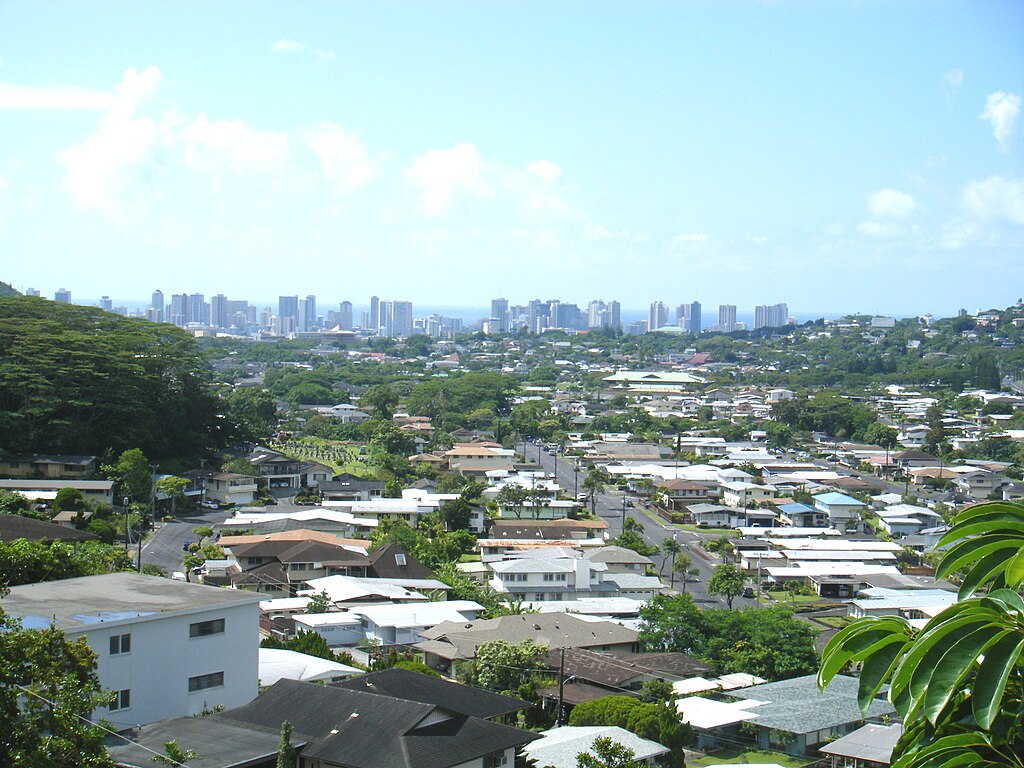
Photo by Travis.Thurston / CC BY-SA 3.0
VA Loan Eligibility and Requirements for Hawaii
To be eligible for a Hawaii VA loan, you must meet the basic eligibility requirements set by the Department of Veterans Affairs. These typically include:
- Active Duty or Veteran Status: Serving a minimum period of active duty or being a veteran who meets specific service requirements.
- Certificate of Eligibility (COE): Obtaining a COE from the VA, which verifies your eligibility for the loan program.
- Creditworthiness: Demonstrating a stable credit history and the ability to repay the loan.
- Income Requirements: Meeting income requirements established by the lender.
In addition to these general requirements, there may be specific requirements for Hawaii properties. VA appraisals ensure that the property meets certain safety and habitability standards. It’s crucial to work with a lender familiar with Hawaii VA loan guidelines to ensure a smooth approval process.
Navigating the VA Loan Process in Hawaii
The VA loan process in Hawaii is similar to the process on the Mainland, but there are a few key differences to be aware of:
- Find a VA-Approved Lender: Start by finding a lender that is approved to offer VA loans in Hawaii. Not all lenders are familiar with the nuances of the local market.
- Get Pre-Approved: Obtain pre-approval for a VA loan. This will give you a clear idea of how much you can afford and strengthen your offer when you find a property.
- Find a Real Estate Agent: Work with a real estate agent who specializes in VA loans and understands the Hawaii market. They can help you find properties that meet VA appraisal requirements and negotiate effectively on your behalf.
- Property Appraisal: The VA will order an appraisal to assess the value of the property and ensure it meets safety and habitability standards.
- Loan Underwriting: The lender will review your financial information and the appraisal to determine if you meet the loan requirements.
- Closing: Once the loan is approved, you’ll attend a closing to sign the loan documents and transfer ownership of the property.

Road from S.R. 19 to Laupahoehoe Point, Hawaii by Ken Lundis licensed under CC BY NC 2.0 / Image may have been resized or cropped from original
Choosing the Right Island and Location
Hawaii offers a diverse range of lifestyles, and choosing the right island and location is a crucial decision. Consider factors such as your budget, lifestyle preferences, commute requirements, and access to amenities.
Oahu
Oahu is the most populous island and offers a vibrant urban environment with a wide range of job opportunities, shopping, dining, and entertainment options. However, it also has the highest cost of living and most competitive real estate market.
- Pros: Diverse job market, abundant amenities, numerous housing options.
- Cons: High cost of living, heavy traffic, competitive real estate market.
Big Island
The Big Island is the largest island and offers a more relaxed lifestyle with diverse landscapes, including active volcanoes, rainforests, and black sand beaches. Real estate prices are generally lower than on Oahu, but job opportunities may be limited.
- Pros: Lower cost of living than Oahu, diverse landscapes, relaxed lifestyle.
- Cons: Limited job opportunities, longer commute times, fewer amenities.
Maui
Maui is known for its beautiful beaches, world-class resorts, and stunning natural beauty. It offers a mix of urban and rural lifestyles, with a thriving tourism industry. Real estate prices are generally higher than on the Big Island but lower than on Oahu.
- Pros: Beautiful beaches, thriving tourism industry, mix of urban and rural lifestyles.
- Cons: Higher cost of living than the Big Island, potential for tourist crowds, limited job opportunities outside of tourism.
Kauai
Kauai is the oldest and northernmost island, known for its dramatic cliffs, lush valleys, and pristine beaches. It offers a more laid-back lifestyle with a focus on outdoor activities. Real estate prices are generally comparable to Maui.
- Pros: Stunning natural beauty, laid-back lifestyle, focus on outdoor activities.
- Cons: Limited job opportunities, higher cost of living than the Big Island, fewer amenities.
Overcoming Challenges and Maximizing Your VA Loan Benefits
Navigating the Hawaii real estate market with a VA loan can present some challenges, but there are strategies you can use to overcome them:
- Be Prepared to Act Quickly: The Hawaii real estate market moves quickly, so be prepared to make decisions promptly when you find a property you like.
- Consider Condominiums: Condominiums can be a more affordable option than single-family homes, and many condos are VA-approved.
- Look for Properties Outside of Honolulu: Consider exploring areas outside of Honolulu, such as the Leeward Coast or Central Oahu, where prices may be lower.
- Negotiate Effectively: Work with your real estate agent to negotiate the best possible price and terms.
- Be Patient: Finding the right property can take time, so be patient and persistent.
Common Mistakes to Avoid
- Not Getting Pre-Approved: Failing to get pre-approved for a VA loan can significantly weaken your offer.
- Underestimating Closing Costs: Be sure to factor in closing costs, which can include appraisal fees, title insurance, and recording fees.
- Ignoring HOA Fees: If you’re considering a condominium, be aware of monthly HOA fees, which can add to your overall housing costs.
- Skipping the Home Inspection: A home inspection can identify potential problems with the property and help you avoid costly repairs down the road.
- Not Understanding VA Appraisal Requirements: Familiarize yourself with VA appraisal requirements to ensure the property meets safety and habitability standards.
Expert Tips for Hawaii VA Homebuyers in 2026
- Start Early: Begin the VA loan process well in advance of your PCS move to allow ample time for pre-approval, property search, and closing.
- Build a Strong Credit History: Maintain a good credit score to increase your chances of loan approval and secure the best possible interest rate.
- Save for a Down Payment: While VA loans typically don’t require a down payment, having some savings can help cover closing costs and other expenses.
- Get Professional Advice: Work with a qualified real estate agent and lender who specialize in VA loans and understand the Hawaii market.
- Be Flexible: Be open to considering different islands, locations, and property types to increase your chances of finding a home that meets your needs and budget.
By following these tips and strategies, you can successfully navigate the Hawaii real estate market with a VA loan and achieve your dream of homeownership in paradise. Remember to stay informed, seek expert advice, and be prepared for the unique challenges and opportunities that Hawaii offers. Good luck with your home buying journey!

What do you think?