

Hawaii Microclimates Explained: Finding Your Perfect Island Weather (2026)
Hawaii, a tropical paradise, is known for its stunning beaches, vibrant culture, and laid-back lifestyle. But beneath the surface of this idyllic image lies a complex and fascinating world of microclimates. These localized weather patterns can vary dramatically within short distances, creating a diverse range of environments across the islands. Understanding Hawaii’s microclimates is crucial for anyone considering a move, planning a vacation, or simply wanting to appreciate the islands’ unique geography.
What Exactly Are Hawaii Microclimates?
A microclimate is a localized set of atmospheric conditions that differ from those in the surrounding areas. In Hawaii, these variations are primarily influenced by factors like:
- Elevation: Higher elevations experience cooler temperatures and increased rainfall.
- Rainfall: Windward (eastern) sides of islands receive significantly more rain than leeward (western) sides.
- Proximity to the Ocean: Coastal areas have milder temperatures and higher humidity.
- Volcanic Topography: Mountains and valleys create rain shadows and channel winds.
These factors combine to create a patchwork of distinct microclimates, each with its own unique characteristics. You might experience sunshine on one side of a mountain and heavy rain on the other!
The Major Microclimates of Hawaii
Let’s explore some of the major microclimates you’ll find across the Hawaiian Islands:
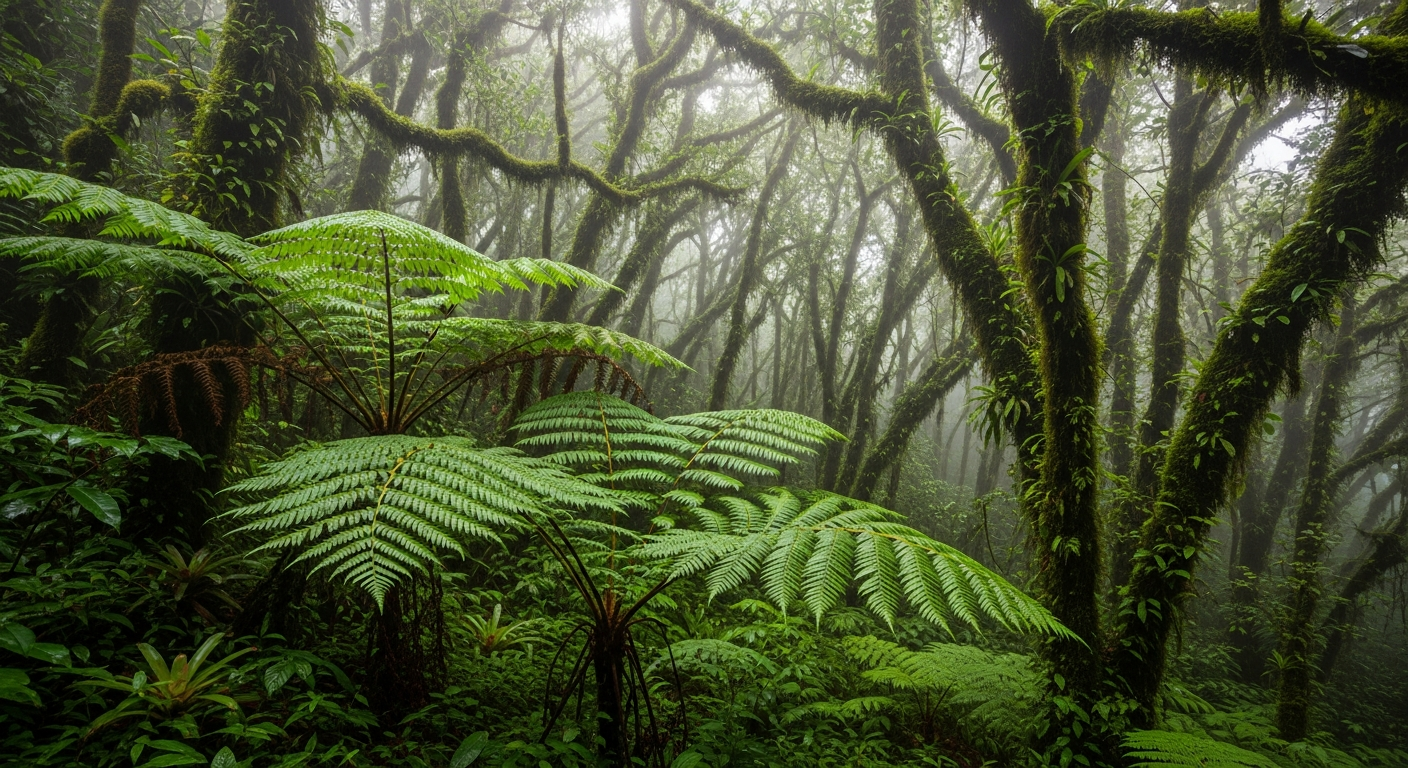
Tropical Rainforest
- What: Characterized by high rainfall (over 100 inches per year), dense vegetation, and consistently warm temperatures.
- Why: Primarily found on the windward sides of the islands, where moist trade winds are forced to rise and cool, resulting in heavy precipitation.
- Insider Reality: Lush and green, but can be prone to flooding and mold. Expect frequent showers and high humidity.
- Location Examples: Hilo (Big Island), Hana (Maui), North Shore (Kauai).
Tropical Savanna
- What: A mix of grasslands and scattered trees, with a distinct wet and dry season.
- Why: Typically found in areas that receive moderate rainfall (around 50-100 inches per year) and experience seasonal droughts.
- Insider Reality: Offers a balance of sunshine and rain, with less humidity than rainforest areas. Good for agriculture.
- Location Examples: Kona Coast (Big Island), Upcountry Maui, Central Oahu.
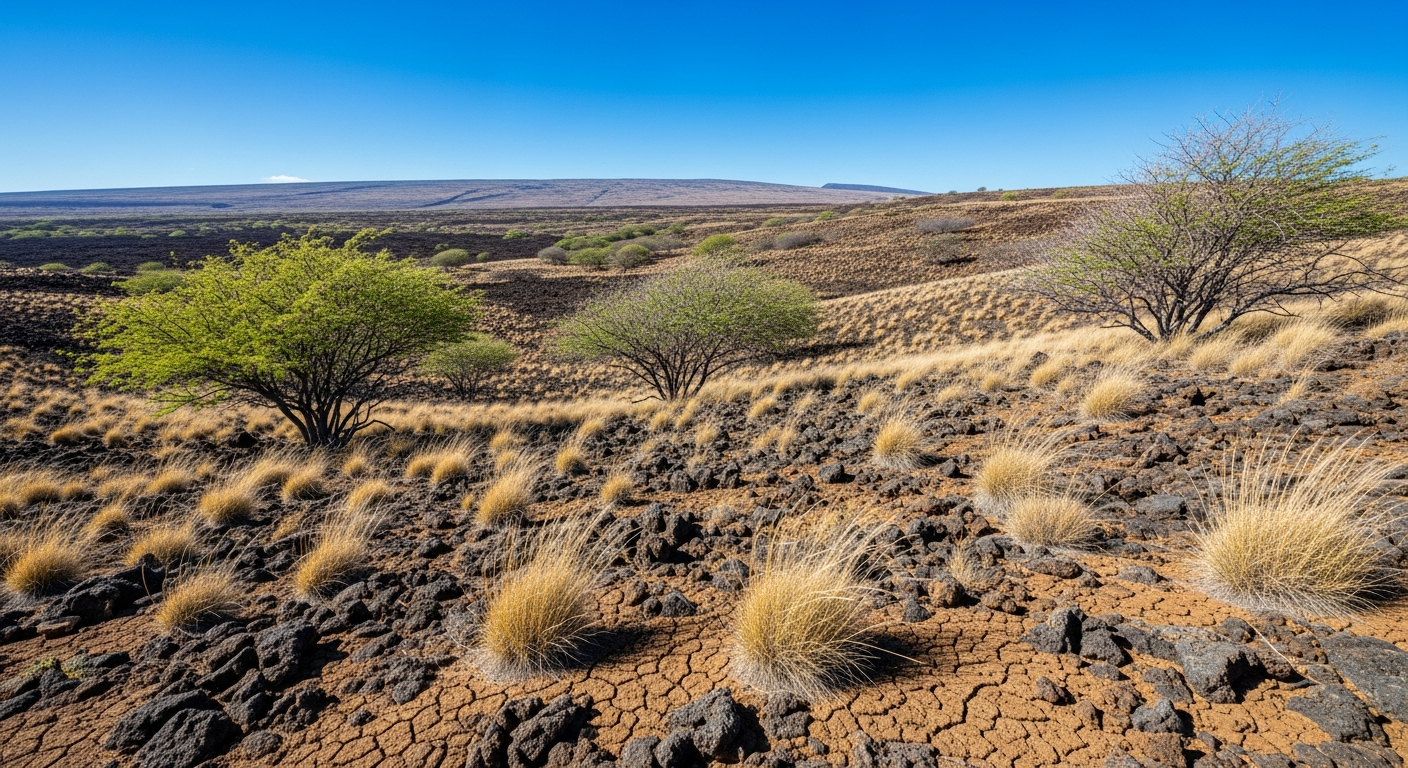
Tropical Desert
- What: Arid conditions with very low rainfall (less than 20 inches per year) and sparse vegetation.
- Why: Located on the leeward sides of islands, in the rain shadow of mountains.
- Insider Reality: Hot and dry, but often sunny and with clear skies. Water conservation is essential.
- Location Examples: West Maui, South Kohala (Big Island), Ewa Beach (Oahu).
Temperate Climate
- What: Cooler temperatures and more distinct seasons, with mild summers and cool winters.
- Why: Found at higher elevations, where temperatures decrease with altitude.
- Insider Reality: Requires warmer clothing during winter months. Can experience frost and even occasional snow on the highest peaks.
- Location Examples: Volcanoes National Park (Big Island), Haleakala (Maui), Kokee State Park (Kauai).
Island-Specific Microclimate Guides
Let’s take a closer look at how microclimates play out on each of the major Hawaiian Islands:
Oahu: A Tale of Two Coasts
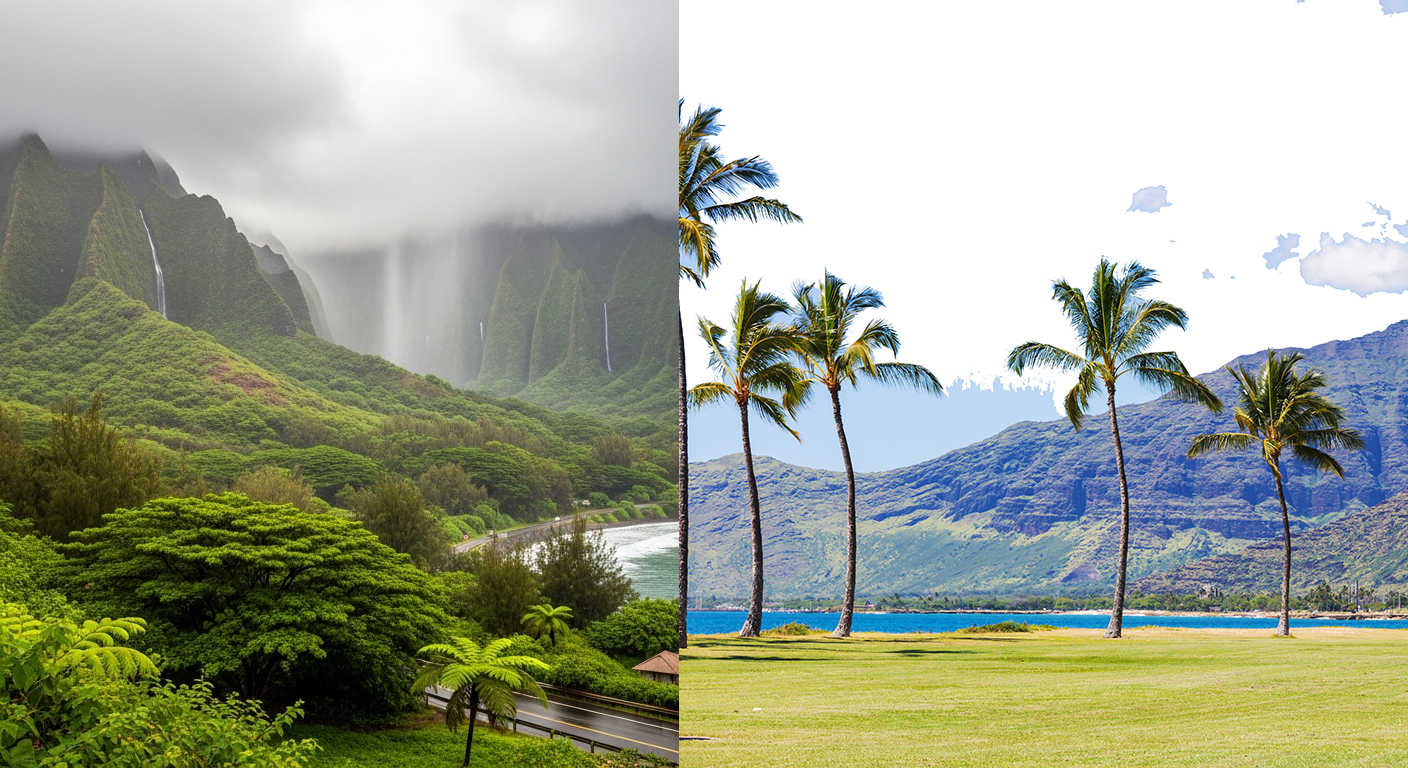
Oahu, the most populated island, showcases a stark contrast between its windward and leeward sides.
- Windward (East) Oahu:
- What: Expect frequent rainfall, lush greenery, and cooler temperatures.
- Why: The Ko’olau Mountains intercept the trade winds, resulting in heavy precipitation on the eastern slopes.
- Insider Reality: Beautiful scenery, but can be prone to flooding and traffic congestion.
- Examples: Kailua, Kaneohe, Waimanalo.
- Pros: Lush landscapes, cooler temperatures, strong sense of community.
- Cons: Higher rainfall, potential for flooding, longer commutes to Honolulu.
- Leeward (West) Oahu:
- What: Characterized by sunny skies, dry conditions, and warmer temperatures.
- Why: The Waianae Mountains block the trade winds, creating a rain shadow effect.
- Insider Reality: Growing rapidly, with new developments and more affordable housing options.
- Examples: Kapolei, Ewa Beach, Ko Olina.
- Pros: Sunny weather, new developments, more affordable housing (relative to Honolulu).
- Cons: Hotter temperatures, longer commutes to Honolulu for some areas, less established communities.
Maui: From Rainforest to Desert
Maui offers a diverse range of microclimates, from the rainforests of Hana to the arid landscapes of West Maui.
- Hana (East Maui):
- What: One of the wettest areas in Hawaii, with lush rainforests and cascading waterfalls.
- Why: Exposed to the full force of the trade winds, resulting in extremely high rainfall.
- Insider Reality: A remote and tranquil paradise, but can be isolated and challenging to access.
- Pros: Untouched natural beauty, peaceful atmosphere, strong sense of community.
- Cons: High rainfall, limited amenities, long and winding road access.
- West Maui:
- What: Sunny and dry, with beautiful beaches and luxury resorts.
- Why: Located in the rain shadow of the West Maui Mountains.
- Insider Reality: Popular tourist destination, with a wide range of activities and amenities.
- Pros: Sunny weather, beautiful beaches, many restaurants and shops.
- Cons: Can be crowded, more expensive than other parts of Maui, susceptible to wildfires during dry season.
- Upcountry Maui:
- What: Temperate climate with rolling hills, farms, and panoramic views.
- Why: Higher elevation results in cooler temperatures and more moderate rainfall.
- Insider Reality: A mix of rural charm and modern amenities, with a growing agricultural scene.
- Pros: Cooler temperatures, beautiful views, agricultural opportunities.
- Cons: Can be windy, requires driving for most errands, limited public transportation.
Big Island: A Land of Extremes
The Big Island, with its vast size and diverse topography, boasts the most varied microclimates of all the Hawaiian Islands.
- Hilo (East Big Island):
- What: The wettest city in the United States, with lush rainforests and frequent rainfall.
- Why: Located on the windward side of Mauna Kea and Mauna Loa, receiving abundant precipitation.
- Insider Reality: A vibrant cultural center with a strong sense of community, but can be challenging for those not accustomed to constant rain.
- Pros: Lush landscapes, affordable housing, strong cultural scene.
- Cons: High rainfall, potential for flooding, limited job opportunities.
- Kona Coast (West Big Island):
- What: Sunny and dry, with world-renowned coffee plantations and beautiful beaches.
- Why: Located in the rain shadow of Mauna Loa and Hualalai.
- Insider Reality: A popular tourist destination with a relaxed atmosphere and stunning sunsets.
- Pros: Sunny weather, beautiful beaches, excellent coffee.
- Cons: Can be expensive, limited water resources, potential for vog (volcanic smog).
- Volcanoes National Park:
- What: Unique volcanic landscape with a temperate climate and occasional volcanic activity.
- Why: High elevation and proximity to active volcanoes create a distinct environment.
- Insider Reality: A fascinating place to explore the power of nature, but can be prone to volcanic hazards.
- Pros: Unique scenery, opportunities for hiking and exploration, cooler temperatures.
- Cons: Volcanic activity, limited amenities, can be foggy and rainy.
Choosing the Right Microclimate for You
When deciding where to live in Hawaii, consider your personal preferences and lifestyle:
- Do you prefer sunshine or rain?
- How important is temperature to you?
- Are you comfortable with humidity?
- Do you enjoy gardening or outdoor activities?
By understanding the nuances of Hawaii’s microclimates, you can find the perfect location to call home.
Adapting to Island Weather
No matter where you choose to live in Hawaii, be prepared to adapt to the local weather conditions. Here are some tips:
- Invest in appropriate clothing: Pack lightweight, breathable clothing for warm weather, and waterproof gear for rainy areas.
- Protect yourself from the sun: Wear sunscreen, hats, and sunglasses.
- Stay hydrated: Drink plenty of water, especially in hot and dry areas.
- Be aware of flood risks: Monitor weather forecasts and take precautions during heavy rain.
- Embrace the diversity: Enjoy the unique beauty and charm of each microclimate.
Understanding Hawaii’s microclimates is essential for anyone considering a move to the islands. By researching the different weather patterns and choosing a location that suits your preferences, you can make the most of your island life. Aloha!
Leave A Comment