



Hawaii is more than just beaches and Mai Tais. It’s a diverse tapestry of communities, each with its own unique flavor and appeal. As we look ahead to 2026, several neighborhoods are poised to become the hottest spots for residents and investors alike. Forget the over-touristed areas – we’re diving into the hidden gems and emerging hubs that offer a blend of affordability, community, and island lifestyle.
What Makes a Neighborhood “Up and Coming” in Hawaii?
Before we jump into specific locations, let’s define what we mean by “up and coming.” It’s not just about rising property values, although that’s certainly a factor. It’s a combination of several key elements:
- Affordability (Relatively Speaking): Compared to established, high-end areas, these neighborhoods offer a more accessible entry point to the Hawaii real estate market.
- Community Development: Look for areas with new businesses, community centers, parks, and initiatives that foster a sense of belonging.
- Infrastructure Investment: New roads, public transportation, and utilities can significantly impact a neighborhood’s desirability and future growth.
- Cultural Vibrancy: A mix of local traditions and modern influences creates a dynamic and engaging atmosphere.
- Growth Potential: Areas with room for new construction, renovation, and expansion are more likely to see significant appreciation in value.
Oahu’s Emerging Hotspots
Oahu, the “Gathering Place,” is the most populous island and offers a diverse range of neighborhoods. Here are a few that are gaining traction:


It looks like showers over Kapolei
Distant rain as seen from downtown by Daniel Ramirez is licensed under CC BY 2.0. Image may have been resized or cropped from original.
1. Kapolei: West Side Boomtown
The ‘What’: Kapolei, often called Oahu’s “Second City,” is experiencing rapid growth as a master-planned community on the island’s west side.
The ‘Why’: The area has seen massive investment in recent years, including the expansion of the Honolulu Rail Transit project, new shopping centers like Ka Makana Ali’i, and a surge in residential development. Many mainland companies are setting up offices here. This growth is driven by a desire for more affordable housing options compared to Honolulu and the convenience of a self-contained community.
The ‘Insider Reality’: While Kapolei offers modern amenities and newer homes, be prepared for longer commutes into Honolulu, especially during peak hours. Traffic congestion can be a significant issue.
The ‘Data’: Median home prices in Kapolei range from $700,000 to $900,000, depending on the type of property. Commute times to Honolulu can exceed 90 minutes during rush hour. Many homes were built after 2000.
Pros & Cons of Living in Kapolei:
Pros:
- Newer homes and modern infrastructure
- Growing job market
- Convenient shopping and dining options
- Family-friendly community
Cons:
- Long commute to Honolulu
- Limited nightlife and cultural attractions compared to Honolulu
- Can feel less “Hawaiian” than other parts of the island
- Hotter and drier climate than the windward side

Bob Linsdell, CC BY 3.0
2. Ewa Beach: Affordable Coastal Living
The ‘What’: Ewa Beach, located south of Kapolei, offers a more laid-back coastal vibe with a mix of older homes and newer developments.
The ‘Why’: Ewa Beach is attractive to those seeking a more affordable alternative to Honolulu while still enjoying ocean access and a sense of community. The area has seen significant development in recent years, with new subdivisions and shopping centers.
The ‘Insider Reality’: While Ewa Beach offers a more affordable entry point, be aware of potential issues with older infrastructure in some areas. Also, traffic can be a challenge, especially during peak hours.
The ‘Data’: Median home prices in Ewa Beach range from $650,000 to $850,000. Commute times to Honolulu can be similar to Kapolei.
Pros & Cons of Living in Ewa Beach:
Pros:
- More affordable than Honolulu
- Oceanfront living
- Family-friendly atmosphere
- Growing community amenities
Cons:
- Traffic congestion
- Older infrastructure in some areas
- Limited nightlife
- Can be windy


Saint Joseph Catholic Church in Waipahu, Hawaii. Photo: Farragutful (CC BY-SA 4.0).
3. Waipahu: Central Oahu’s Rising Star
The ‘What’: Waipahu, located in Central Oahu, is a historically significant town that’s experiencing a revitalization.
The ‘Why’: Waipahu’s central location provides easy access to both Honolulu and the North Shore. The area is seeing new investment in housing, retail, and community facilities. Its diverse population and rich cultural heritage make it a unique place to live.
The ‘Insider Reality’: While Waipahu is becoming more desirable, some areas still face challenges with older housing and infrastructure. However, the community is working to address these issues and create a brighter future.
The ‘Data’: Median home prices in Waipahu range from $600,000 to $800,000. Its location provides relatively convenient access to various parts of the island.
Pros & Cons of Living in Waipahu:
Pros:
- Central location
- Diverse community
- Growing amenities
- More affordable than Honolulu and other coastal areas
Cons:
- Older housing in some areas
- Can be crowded
- Limited nightlife
- Higher crime rates compared to more affluent areas
Big Island’s Up-and-Coming Areas
The Big Island, or Hawai’i Island, offers a different pace of life and a more rural setting. Here are a couple of neighborhoods to watch:

Coral Pool House, Waiopae Rd, Pahoa, Big Island, Hawaii. Photo by Robert Linsdell via Flickr, licensed under Creative Commons.
1. East Hawaii’s Rebirth
The ‘What’: Pahoa, located in the Puna district, has faced challenges in recent years, including volcanic activity. However, the community is resilient and is rebuilding.
The ‘Why’: Pahoa offers an affordable entry point to the Big Island’s real estate market. Its unique character, artistic community, and proximity to natural attractions like Volcanoes National Park make it appealing to those seeking an alternative lifestyle.
The ‘Insider Reality’: Pahoa is still recovering from the 2018 volcanic eruption, and some areas are still affected. Be sure to do thorough research and understand the risks before investing in this area.
The ‘Data’: Median home prices in Pahoa range from $300,000 to $500,000. The area is known for its lush rainforests and volcanic landscapes.
Pros & Cons of Living in Pahoa:
Pros:
- Affordable real estate
- Unique community
- Close to nature
- Laid-back lifestyle
Cons:
- Volcanic activity
- Limited amenities
- Remote location
- Unpredictable weather


Image credit: Jean Synodinos via Flickr. Licensed under Creative Commons CC BY 2.0.
2. Waikoloa Village: West Hawaii’s Growing Community
The ‘What’: Waikoloa Village, located on the Kohala Coast, is a planned community that’s experiencing steady growth.
The ‘Why’: Waikoloa Village offers a more affordable alternative to the high-end resorts along the coast. Its proximity to beaches, golf courses, and shopping centers makes it an attractive place to live.
The ‘Insider Reality’: Waikoloa Village can be hot and dry, and water restrictions are sometimes in place. However, the community is working to address these issues and create a more sustainable future.
The ‘Data’: Median home prices in Waikoloa Village range from $500,000 to $700,000. The area is known for its sunny weather and stunning ocean views.
Pros & Cons of Living in Waikoloa Village:
Pros:
- More affordable than coastal resorts
- Close to beaches and golf courses
- Planned community
- Sunny weather
Cons:
- Hot and dry climate
- Water restrictions
- Can feel isolated
- Limited nightlife
Kauai and Maui: Hidden Gems and Emerging Markets
While Oahu and the Big Island tend to dominate the conversation, Kauai and Maui also have their up-and-coming areas:
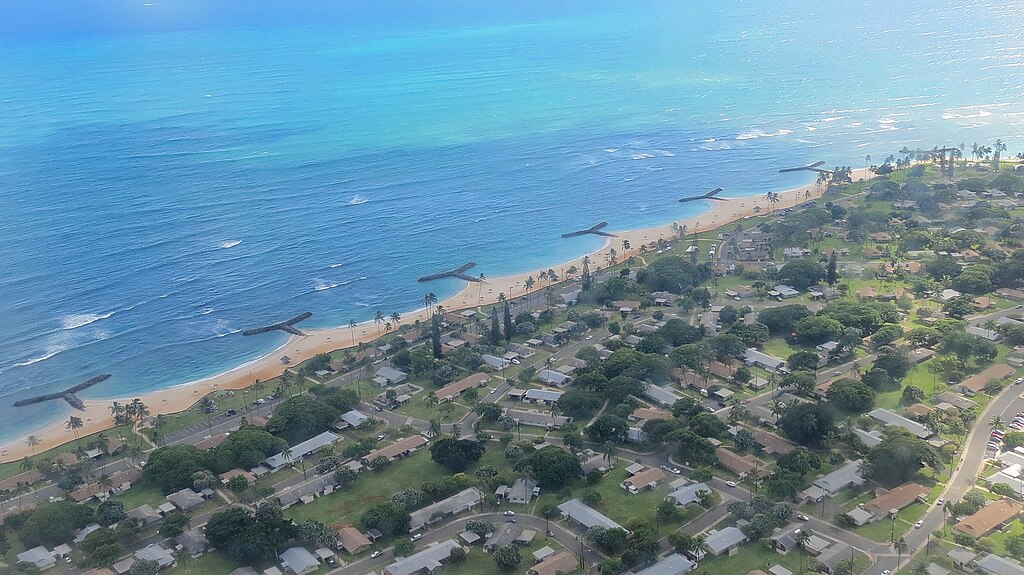
- Kauai: Hanapepe. This charming town on Kauai’s west side is experiencing a cultural renaissance, with art galleries, local shops, and a vibrant Friday night art walk.
- Maui: Kihei. While already a popular destination, South Kihei continues to evolve with new restaurants, shops, and community events, offering a blend of local charm and tourist amenities.
The Bottom Line: Finding Your Perfect Fit
Choosing the right neighborhood is a personal decision that depends on your individual needs and priorities. Consider your budget, lifestyle, commute, and desired community when making your choice. Don’t be afraid to explore different areas and talk to residents to get a feel for the local vibe.
Hawaii offers a diverse range of living experiences, and with careful research, you can find the perfect up-and-coming neighborhood to call home.