


Living in Hawaii is a dream for many, drawn by the stunning landscapes, vibrant culture, and laid-back lifestyle. However, the reality of island life includes unique considerations, especially when it comes to living near active volcanoes. Hawaii’s volcanic activity is a constant force shaping the islands, creating both incredible beauty and potential hazards. If you’re considering buying property or relocating to an area near a volcano, it’s crucial to understand the risks, insurance implications, and real estate market dynamics specific to these zones. This guide will provide a comprehensive overview to help you make informed decisions.
Understanding Hawaii’s Volcano Zones
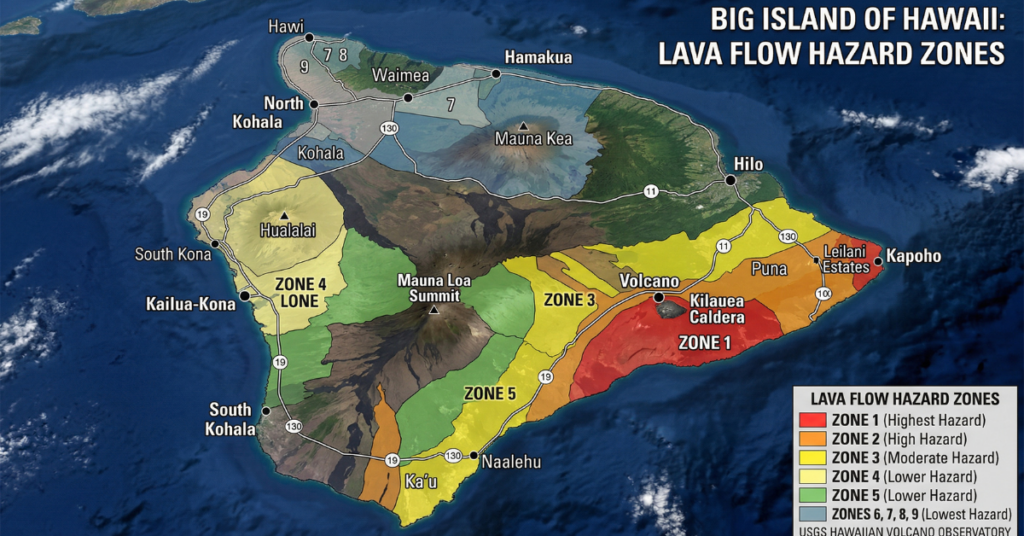
The Hawaiian Islands are formed by volcanic activity. The Big Island, in particular, is home to Kilauea, one of the world’s most active volcanoes. To manage the risks associated with volcanic activity, the U.S. Geological Survey (USGS) has established a system of nine volcano hazard zones, ranging from Zone 1 (highest risk) to Zone 9 (lowest risk).
What are the Volcano Zones?
- Zone 1: Areas closest to active vents and recent lava flows. These areas are considered the most hazardous and have the highest probability of being covered by lava.
- Zone 2: Adjacent to Zone 1, with a high probability of lava coverage.
- Zone 3: Areas with a moderate probability of lava coverage, influenced by topography and distance from vents.
- Zone 4: Steeper slopes farther from vents, with a lower probability of lava coverage.
- Zone 5: Includes areas that are shielded by topography or are a greater distance from active vents.
- Zone 6: Similar to Zone 5, but with even less risk due to location and geological features.
- Zone 7: Areas on older volcanoes or on other islands, with very low probability of lava coverage.
- Zone 8: Areas considered safe due to location and geological history.
- Zone 9: Areas on islands other than the Big Island, with virtually no risk of lava coverage.
Why are Volcano Zones Important?
Volcano zones are crucial for several reasons:
- Risk Assessment: They provide a framework for assessing the potential hazards in different areas.
- Land Use Planning: County and state governments use volcano zones to guide land use planning and development decisions.
- Insurance: Insurance companies use volcano zones to determine coverage and premiums for properties.
- Real Estate: Volcano zones influence property values and buyer decisions.
The Reality of Living in a Volcano Zone
Living in a volcano zone means understanding and accepting the potential risks. While the lower zones (6-9) are generally considered safe, the higher zones (1-3) require careful consideration. It’s not just about lava flows; volcanic activity can also cause:
- Vog: Volcanic smog, a hazy air pollution caused by volcanic emissions. Vog can cause respiratory problems and other health issues.
- Earthquakes: Volcanic activity often triggers earthquakes, which can cause structural damage.
- Ashfall: Although less common, ashfall can damage property and disrupt daily life.
Real Estate Considerations in Volcano Zones
Buying property in a volcano zone requires careful due diligence. The perceived risk significantly impacts property values and market dynamics.
Property Values and Market Trends
Properties in higher-risk zones (1-3) generally have lower values than comparable properties in safer zones. However, this also means that they can be more affordable, attracting buyers who are willing to accept the risks.
- Zone 1 & 2: Real estate transactions are rare due to the high risk. Properties that do sell are often significantly discounted.
- Zone 3 & 4: These zones offer a balance between risk and affordability. Property values are lower than in safer zones, but the risk is considered manageable by some buyers.
- Zone 5-9: Property values are generally comparable to other areas of Hawaii, with less influence from volcanic risk.
It’s essential to work with a real estate agent who is knowledgeable about volcano zones and can provide accurate information about the risks and market conditions.
Pros and Cons of Buying in a Volcano Zone
Pros:
- Affordability: Lower property values can make homeownership more accessible.
- Unique Landscapes: Volcanic areas often feature unique and dramatic landscapes.
- Potential for Growth: Some buyers believe that the risk is overstated and that property values will increase over time.
Cons:
- Risk of Lava Coverage: The primary risk is the potential for lava flows to damage or destroy property.
- Insurance Challenges: Obtaining insurance can be difficult and expensive.
- Health Concerns: Vog and other volcanic emissions can pose health risks.
- Resale Value: It may be more challenging to sell the property in the future due to the perceived risk.
Case Study: Pahoa, Big Island
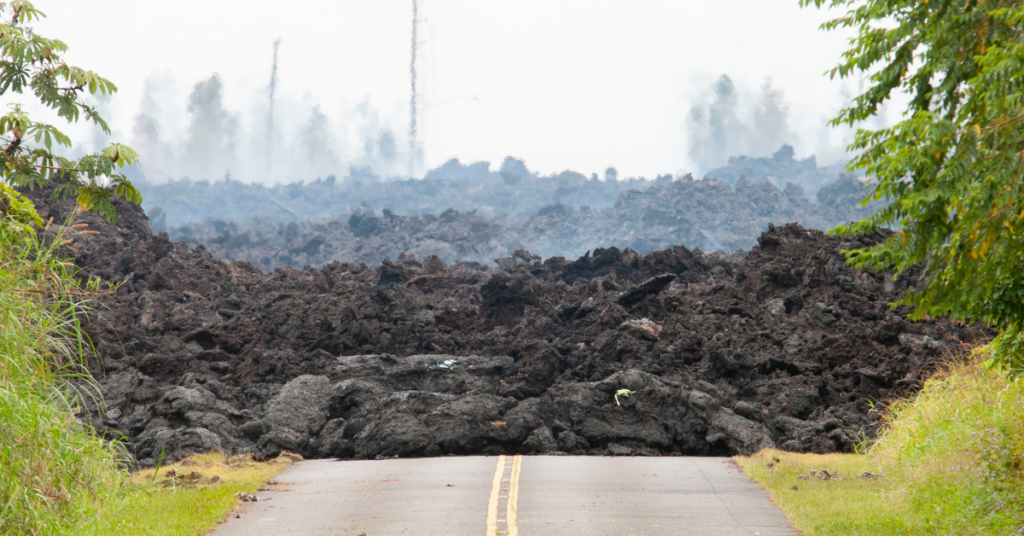
Pahoa, located in Zone 2 and 3, experienced a significant lava flow in 2014-2015. While the town itself was spared, the flow destroyed several homes and infrastructure in the surrounding area. This event had a significant impact on property values and buyer sentiment.
- Before the Flow: Pahoa was a growing community with a mix of residential and commercial properties.
- During the Flow: Property values plummeted as buyers became hesitant to invest in the area.
- After the Flow: While some properties have recovered in value, the market remains sensitive to volcanic activity.
This case study highlights the importance of understanding the specific risks and potential impacts of volcanic activity in a given area.
Insurance Considerations in Volcano Zones
Obtaining insurance for properties in volcano zones can be challenging. Many standard insurance policies exclude coverage for volcanic activity.
Volcanic Eruption Insurance
To address this gap, the Hawaii Property Insurance Association (HPIA) offers volcanic eruption insurance. This policy covers direct physical loss or damage to property caused by volcanic eruption, including lava flows, ashfall, and volcanic gases.
- Coverage: HPIA policies typically cover the replacement cost of the dwelling and personal property.
- Premiums: Premiums are based on the volcano zone, with higher rates for properties in higher-risk zones.
- Eligibility: Properties must meet certain eligibility requirements, such as being located within a designated volcano zone and meeting minimum construction standards.
Private Insurance Options
In addition to HPIA, some private insurance companies may offer coverage for volcanic activity. However, these policies are often more expensive and may have stricter eligibility requirements.
- Research: It’s essential to shop around and compare policies from different insurers.
- Disclosures: Be honest and transparent about the property’s location and potential risks.
- Expert Advice: Consult with an insurance agent who specializes in Hawaii properties and understands the nuances of volcano zone coverage.
The Reality of Insurance Costs
Insurance costs in volcano zones can be significantly higher than in other areas. This is due to the increased risk and the limited availability of coverage.
- Budgeting: Factor in the cost of insurance when considering buying property in a volcano zone.
- Risk Assessment: Understand the specific risks associated with the property’s location and choose coverage accordingly.
- Mitigation Measures: Consider implementing mitigation measures, such as lava barriers or fire-resistant construction, to reduce risk and potentially lower insurance premiums.
Mitigation Strategies and Safety Measures
While living in a volcano zone involves inherent risks, there are several mitigation strategies and safety measures that can help minimize those risks.
Construction Techniques
- Elevation: Building on elevated foundations or stilts can help protect against lava flows.
- Fire-Resistant Materials: Using fire-resistant roofing, siding, and other materials can reduce the risk of fire damage from lava or ashfall.
- Lava Barriers: Constructing lava barriers or walls can help divert lava flows away from the property.
Emergency Preparedness
- Evacuation Plan: Develop a detailed evacuation plan that includes multiple escape routes and designated meeting points.
- Emergency Supplies: Maintain a supply of essential items, such as food, water, medication, and communication devices.
- Communication: Stay informed about volcanic activity by monitoring official sources, such as the USGS and local authorities.
Community Involvement
- Neighborhood Watch: Participate in neighborhood watch programs to share information and coordinate emergency response efforts.
- Community Meetings: Attend community meetings to stay informed about local issues and developments.
- Volunteer: Volunteer with local organizations to support emergency preparedness and response efforts.
The Importance of Staying Informed
Staying informed about volcanic activity is crucial for making informed decisions and protecting yourself and your property.
- USGS: The USGS website provides real-time information about volcanic activity, including lava flow maps, earthquake data, and vog forecasts.
- Local Authorities: County and state governments provide emergency alerts and updates through various channels, such as radio, television, and social media.
- Community Networks: Local community networks and organizations can provide valuable information and support.
Living near volcanoes in Hawaii presents unique challenges and opportunities. By understanding the risks, insurance implications, and real estate dynamics, you can make informed decisions and enjoy the beauty and vibrancy of island life while mitigating potential hazards. Remember to stay informed, be prepared, and respect the power of nature.