


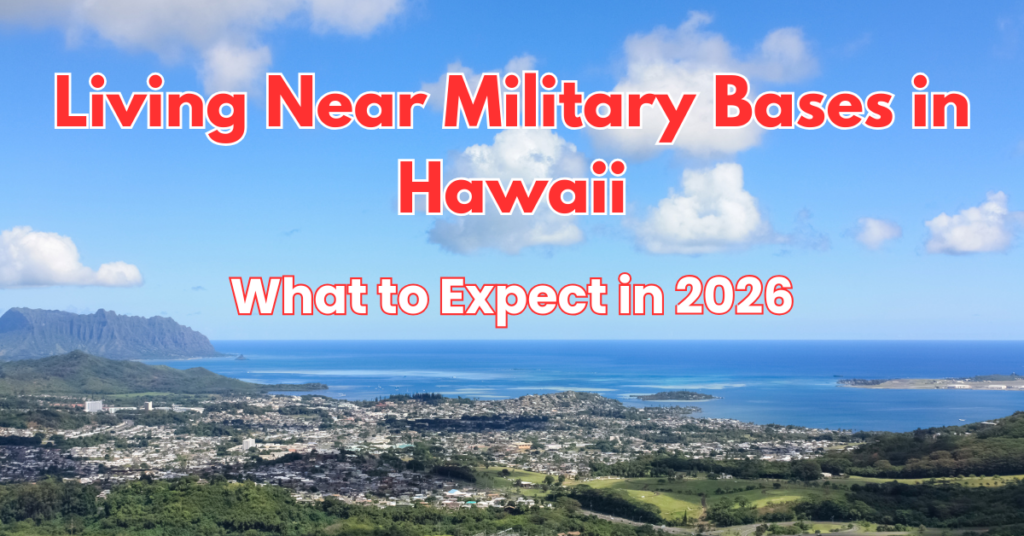
Hawaii’s unique blend of tropical paradise and strategic military importance makes it a popular destination for service members and their families. Living near a military base in Hawaii offers numerous benefits, from convenient access to base amenities to a strong sense of community. However, it also presents unique challenges, including high cost of living and limited housing options. This guide will provide a comprehensive overview of what to expect when living near military bases in Hawaii in 2026, covering housing, schools, cost of living, lifestyle, and more.
Overview of Military Bases in Hawaii
Hawaii is home to several major military installations, each with its own distinct character and surrounding communities. Understanding the location and mission of each base is crucial when deciding where to live.
- Joint Base Pearl Harbor-Hickam (JBPHH): Located on Oahu, JBPHH is a major naval and air force base, formed by the merger of Pearl Harbor Naval Station and Hickam Air Force Base. It is one of the most important strategic locations in the Pacific.
- Schofield Barracks: Situated in central Oahu, Schofield Barracks is the home of the 25th Infantry Division. The surrounding area is known for its lush landscapes and strong military presence.
- Marine Corps Base Hawaii (MCBH): Located on the Mokapu Peninsula on Oahu, MCBH is a major Marine Corps installation offering beautiful ocean views and a close-knit community.
- Tripler Army Medical Center (TAMC): Overlooking Honolulu, TAMC is the primary medical facility for military personnel and their families in the Pacific region.
- U.S. Coast Guard Base Honolulu: Located near Honolulu Harbor, this base supports Coast Guard operations throughout the Pacific.
Housing Options Near Military Bases
Finding suitable housing is a top priority for anyone moving to Hawaii, especially near military bases. Options include on-base housing, off-base rentals, and purchasing a home.
On-Base Housing
On-base housing is managed by private companies in partnership with the military. These communities offer various amenities and a convenient lifestyle.
- Pros:
- Convenient access to base facilities.
- Community events and support networks.
- Utilities often included in rent.
- Generally more affordable than off-base options.
- Cons:
- Limited availability, often with long waiting lists.
- Smaller living spaces compared to off-base housing.
- Less privacy.
- Strict rules and regulations.
The Deep Dive: Ford Island Housing at JBPHH
The Ford Island housing area at JBPHH is a prime example of on-base living.
- What: Modern, multi-family homes with amenities like pools, playgrounds, and community centers.
- Why: Designed to provide affordable and convenient housing for military families, reducing commute times and fostering a sense of community.
- Insider Reality: While the location is fantastic and the amenities are appealing, be prepared for a lengthy waitlist. Also, remember that on-base housing comes with specific rules regarding landscaping, pet ownership, and guest policies that might feel restrictive to some.
- Data: Average wait times can range from 3-12 months, depending on rank and family size. Rent is typically based on Basic Allowance for Housing (BAH) rates.
Off-Base Rentals
Renting off-base provides more flexibility and variety in housing options. Popular areas include:
- Ewa Beach: Located near JBPHH, Ewa Beach offers a mix of single-family homes and apartments.
- Mililani: A planned community near Schofield Barracks, known for its family-friendly atmosphere and good schools.
- Kailua: Situated near MCBH, Kailua boasts beautiful beaches and a relaxed lifestyle.
- Pros:
- Greater variety in housing styles and sizes.
- More privacy.
- Flexibility to choose a neighborhood that fits your lifestyle.
- Cons:
- Higher rental costs compared to on-base housing.
- Commute times can be long, especially during peak hours.
- Utilities are typically not included in rent.
- Competition for rentals can be fierce.
The Deep Dive: The Ewa Beach Rental Market
Ewa Beach has become a popular choice for military families due to its proximity to JBPHH and its relatively newer housing stock.
- What: A mix of single-family homes, townhouses, and apartments, many built within the last 20 years.
- Why: The development of master-planned communities like Ocean Pointe and Hoakalei has provided a significant increase in housing inventory, attracting both military and civilian residents.
- Insider Reality: While Ewa Beach offers more affordable options than areas closer to Honolulu, be prepared for a significant commute if your job is in town. Traffic on the H-1 freeway can be brutal, especially during rush hour. Also, while the area is generally safe, petty crime can be an issue.
- Data: Median rent for a 3-bedroom house in Ewa Beach ranges from $3,500 to $4,500 per month as of 2026. Commute times to JBPHH can range from 20-45 minutes depending on traffic.
Purchasing a Home
Buying a home in Hawaii is a significant investment, but it can provide long-term financial stability and a sense of belonging.
- Pros:
- Build equity and long-term wealth.
- Customize your living space.
- Take advantage of potential tax benefits.
- Greater sense of community and stability.
- Cons:
- High purchase prices and property taxes.
- Maintenance and repair responsibilities.
- Market fluctuations can impact property value.
- Requires a significant down payment.
The Deep Dive: The Mililani Housing Market
Mililani, located near Schofield Barracks, is a well-established community known for its excellent schools and family-friendly environment.
- What: Predominantly single-family homes, many built in the 1970s and 1980s, with mature landscaping and well-maintained neighborhoods.
- Why: Mililani was designed as a planned community, offering a wide range of amenities, including parks, recreation centers, and shopping centers, making it a desirable place to raise a family. The proximity to Schofield Barracks also makes it attractive to military personnel.
- Insider Reality: While Mililani is generally considered a safe and desirable place to live, the housing stock is older, meaning you may need to factor in renovation costs. Also, while the schools are excellent, they can be crowded. Home prices are high, reflecting the area’s desirability.
- Data: Median home prices in Mililani range from $850,000 to $1.2 million as of 2026. Property taxes are approximately 0.3% of assessed value annually.
Cost of Living Considerations
Hawaii has one of the highest costs of living in the United States. Understanding these expenses is crucial for budgeting and financial planning.
- Housing: As mentioned above, housing costs are substantial, whether renting or buying.
- Utilities: Electricity costs are particularly high due to Hawaii’s reliance on imported oil.
- Transportation: Owning a car is almost essential on Oahu, and gas prices are significantly higher than on the Mainland.
- Groceries: Food costs are also elevated due to the need to import many items.
The Deep Dive: Hawaii’s Electricity Costs
Hawaii’s electricity rates are among the highest in the nation, impacting household budgets significantly.
- What: High electricity prices due to the state’s dependence on imported fossil fuels.
- Why: Limited renewable energy sources and the cost of shipping oil to the islands contribute to the high rates. The Public Utilities Commission (PUC) regulates the rates, but the underlying costs are unavoidable.
- Insider Reality: Many residents invest in solar panels to offset electricity costs, but the initial investment can be substantial. Simple strategies like using energy-efficient appliances, turning off lights, and minimizing air conditioning can also help reduce your bill.
- Data: The average residential electricity rate in Hawaii is around 35 cents per kilowatt-hour (kWh) as of 2026, more than double the national average. A typical household can expect to pay $300-$500 per month for electricity.
Schools and Education
Hawaii’s public school system is managed by the Hawaii Department of Education. The quality of schools can vary depending on the location.
- Public Schools: Public schools are free for all residents, but some schools are more highly rated than others.
- Private Schools: Private schools offer smaller class sizes and specialized programs but come with tuition costs.
- DoD Schools: The Department of Defense Education Activity (DoDEA) operates schools on military bases for children of active-duty service members.
The Deep Dive: School Options Near Pearl Harbor
The area around Pearl Harbor offers a mix of public, private, and DoDEA schools.
- What: A range of educational options, from traditional public schools to specialized private institutions and DoDEA schools on base.
- Why: The high concentration of military families in the area necessitates a variety of educational choices to meet different needs and preferences. DoDEA schools are specifically designed to cater to the unique challenges faced by military children, such as frequent moves and deployments.
- Insider Reality: Competition for spots in the top-rated public schools can be fierce. Many parents supplement their children’s education with tutoring or extracurricular activities. DoDEA schools offer a consistent curriculum and support system for military families, but they are only available to eligible students.
- Data: Student-teacher ratios in Hawaii public schools average around 18:1. Private school tuition can range from $10,000 to $25,000 per year. DoDEA schools consistently score above the national average on standardized tests.
Lifestyle and Recreation
Living in Hawaii offers a unique lifestyle centered around outdoor activities and a relaxed pace of life.
- Beaches: Hawaii is famous for its stunning beaches, perfect for swimming, surfing, and sunbathing.
- Hiking: Numerous hiking trails offer breathtaking views of the islands.
- Culture: Immerse yourself in Hawaiian culture through music, dance, and traditional events.
- Food: Enjoy a diverse culinary scene, from local plate lunches to fine dining.
The Deep Dive: Embracing the Aloha Spirit
Living in Hawaii is about more than just the beaches; it’s about embracing the Aloha Spirit.
- What: A culture of warmth, hospitality, and mutual respect that permeates daily life in Hawaii.
- Why: The Aloha Spirit is rooted in Hawaiian values of love, compassion, and harmony. It’s a way of life that emphasizes kindness, generosity, and a connection to the land and its people.
- Insider Reality: While Hawaii is generally a friendly place, it’s important to be respectful of local customs and traditions. Learn a few basic Hawaiian phrases, be mindful of the environment, and show appreciation for the unique culture of the islands. Remember, you are a guest in this special place.
- Data: Studies show that residents of Hawaii report higher levels of happiness and well-being compared to the national average. This is often attributed to the strong sense of community, connection to nature, and emphasis on a balanced lifestyle.
Challenges and Considerations
While living near military bases in Hawaii offers many advantages, it’s important to be aware of the potential challenges.
- High Cost of Living: As mentioned earlier, the cost of living in Hawaii is significantly higher than on the Mainland.
- Limited Space: Housing options can be limited, and living spaces may be smaller than what you’re accustomed to.
- Traffic Congestion: Traffic on Oahu, particularly around Honolulu, can be heavy during peak hours.
- Cultural Differences: Adapting to a new culture can be challenging, and it’s important to be respectful of local customs and traditions.
The Deep Dive: Navigating Honolulu Traffic
Honolulu traffic can be a major headache, especially for those commuting to and from military bases.
- What: Severe traffic congestion, particularly on the H-1 freeway and major arterial roads.
- Why: Limited road capacity, high population density, and a reliance on personal vehicles contribute to the problem. The ongoing rail project aims to alleviate some of the congestion, but it is still under construction as of 2026.
- Insider Reality: Plan your commute carefully and consider alternative transportation options, such as carpooling, biking, or taking the bus. Avoid driving during peak hours if possible. Be patient and courteous on the road.
- Data: Average commute times in Honolulu range from 30-60 minutes during rush hour. The Honolulu Rail Transit Project is expected to reduce traffic congestion by 10-15% upon completion.
Conclusion
Living near military bases in Hawaii offers a unique and rewarding experience. From the convenience of on-base amenities to the beauty of the surrounding landscapes, there’s much to appreciate. However, it’s essential to be prepared for the high cost of living, limited housing options, and potential challenges. By understanding these factors and planning accordingly, you can make the most of your time in paradise. Whether you’re a military family or a civilian seeking a new adventure, Hawaii has something to offer everyone.