

The Vision of Oʻahu’s Premier Marina Community
Located on the southeastern tip of Oʻahu, Hawaiʻi Kai represents a unique chapter in Hawaiian real estate and urban planning. Developed in the 1960s by industrialist Henry J. Kaiser, this master-planned community transformed a low-lying fishpond and wetland area known as Kuapā Pond into a highly organized network of marina channels, residential peninsulas, and quiet valleys. Today, living in Hawaiʻi Kai, Oʻahu offers residents a distinct lifestyle centered around water sports, safe suburban neighborhoods, and convenient shopping, all while remaining within the city limits of Honolulu.
Take the Quiz: Is Hawaii Right For You? Meet with a Living in Hawaii Expert!
Unlike the historic, organic growth patterns of older Honolulu neighborhoods, Hawaiʻi Kai was designed with a clear blueprint. Kaiser envisioned a community where residents could dock their boats in their backyards, drive to work in downtown Honolulu, and return home to a quiet, breezy sanctuary. That vision remains highly visible today. The neighborhood is defined by its wide roads, underground utilities in many sections, and a clean, uniform aesthetic that stands in contrast to the denser, more eclectic neighborhoods closer to the urban core.

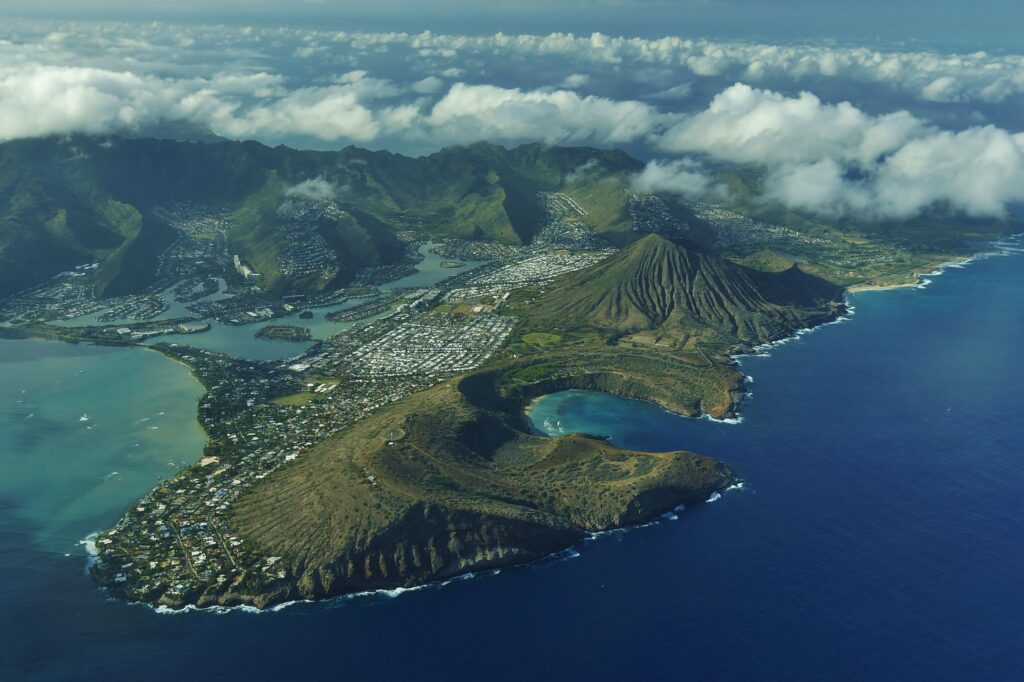
“Hanauma Bay Koko Crater Hawaii Kai” by Eric Tessmer, Honolulu Hawaii is licensed under CC BY 2.0.
The Geography and Layout of Hawaiʻi Kai
To understand Hawaiʻi Kai, one must understand its geography. The community is structured around the central marina, with several distinct residential zones extending outward into the valleys and up the surrounding ridges. This layout creates a variety of micro-climates and housing styles, catering to different preferences and budgets.
The Marina-Front Neighborhoods
The heart of the community consists of the low-lying peninsulas and keys that border the water. Neighborhoods like Spinnaker Isle, Anchorage, and Marina West feature single-family homes with private docks. Here, the backyard opens directly onto the water, allowing residents to launch boats, kayaks, or stand-up paddleboards directly from their properties. These neighborhoods are highly sought after and command premium prices due to the limited inventory of waterfront land on Oʻahu.
The Valley Neighborhoods
Extending inland from the marina are several deep valleys, including Hahaʻione Valley, Kamiloiki Valley, and Kalama Valley. These areas offer a more traditional suburban environment. As you move deeper into the valleys, the air becomes cooler and the landscape greener, thanks to the moisture trapped by the Koʻolau mountain range. Valley homes typically feature larger lots and are highly favored by families who prioritize yard space and quiet streets over direct water access.
The Ridge Neighborhoods
For those seeking panoramic views, the ridges of Hawaiʻi Kai provide some of the most spectacular vistas on the island. Mariner’s Ridge, Kamehame Ridge, and Hawaii Kai Ridge feature custom-built homes perched high above the ocean. Residents here enjoy sweeping views of the marina, Maunalua Bay, and on clear days, the neighboring islands of Molokaʻi and Lānaʻi. Living on the ridges comes with cooler temperatures and consistent trade winds, though homeowners must contend with steeper driveways and more wind exposure.

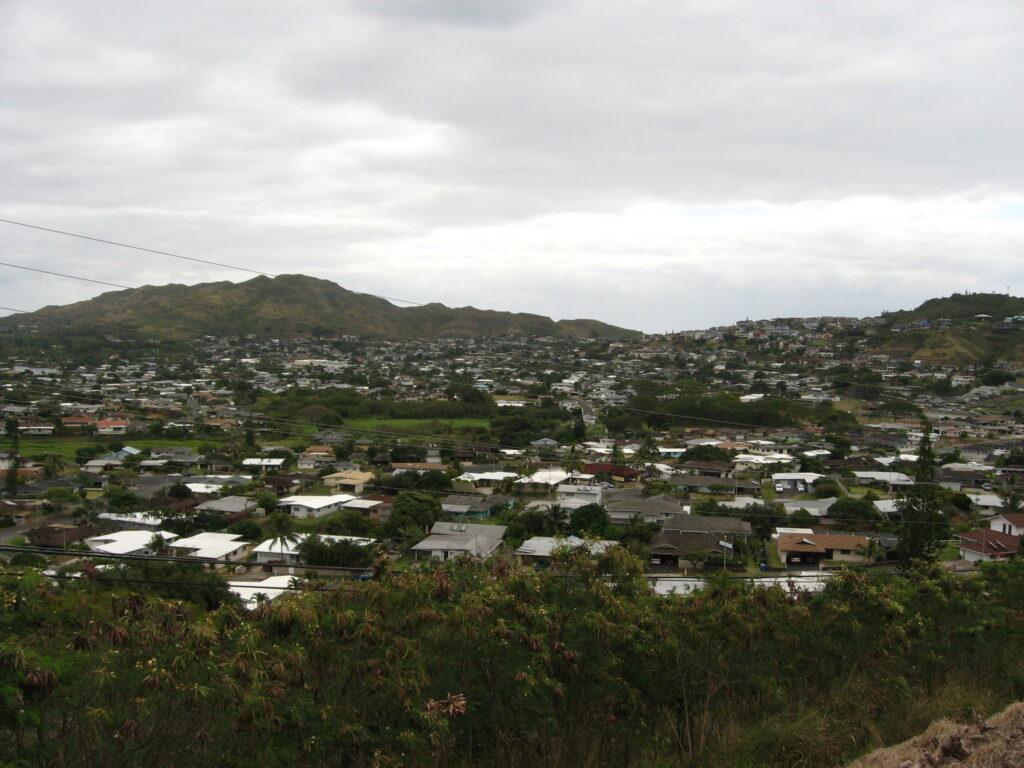
Hillside residential neighborhood by Creator Name / CC BY-SA 2.0
The Hawaiʻi Kai Lifestyle: Water, Fitness, and Convenience
The lifestyle in Hawaiʻi Kai is active, outdoor-focused, and highly convenient. Because the neighborhood was planned as a self-contained suburb, residents rarely need to leave the area for daily necessities. Three major shopping centers, the Hawaii Kai Towne Center, Koko Marina Center, and Hawaii Kai Shopping Center, provide access to grocery stores, medical clinics, fitness centers, and a diverse array of restaurants.
Water sports are a daily reality for many who live here. Maunalua Bay is a hub for boating, jet-skiing, parasailing, and paddling. The calm waters of the marina are perfect for evening boat cruises or morning paddleboard sessions. For surfers, the nearby spots of Sandy Beach and Makapuʻu offer world-class, albeit challenging, shorebreaks. Meanwhile, Hanauma Bay, a protected marine life conservation district, sits right on the edge of the community, offering residents world-famous snorkeling opportunities practically in their backyards.
For land-based fitness, the Koko Head Crater Trail is one of the most famous and challenging hikes on Oʻahu. Climbing the 1,048 abandoned railroad ties to the summit of the crater is a daily ritual for many local fitness enthusiasts, offering a grueling workout paired with rewarding 360-degree views of the eastern coastline. If you prefer a more leisurely pace, the neighborhood’s wide, flat sidewalks make it one of the best walkable towns in Hawaii, especially along the marina pathways.
The Insider Reality: Commuting and Traffic
While Hawaiʻi Kai offers an idyllic suburban lifestyle, it is important to address the logistical realities of living on the east side of Oʻahu. The primary challenge for residents is the daily commute. Kalanianaʻole Highway is the single arterial road connecting Hawaiʻi Kai to the rest of Honolulu. During the morning rush hour, traffic bottlenecks can turn a twelve-mile drive into downtown Honolulu into a forty-five to sixty-minute test of patience.
The highway merge near the H-1 Freeway entrance is a notorious choke point. While the state has implemented contraflow lanes to ease the flow of morning traffic, commuters must still plan their mornings carefully. If your job requires you to be in downtown Honolulu or on the windward side by 8:00 AM, you will need to become comfortable with early departures. Conversely, the afternoon commute features a similar bottleneck as workers head east back to their marina homes.
This commute dynamic makes Hawaiʻi Kai highly attractive to retirees, remote workers, and those with flexible schedules who can avoid peak travel times. If you are comparing this area to other windward communities, you might find that living in Kailua, Oʻahu offers a similar coastal vibe but with a slightly different commute pattern through the Pali Highway, making it worth a close comparison before deciding on a final location.

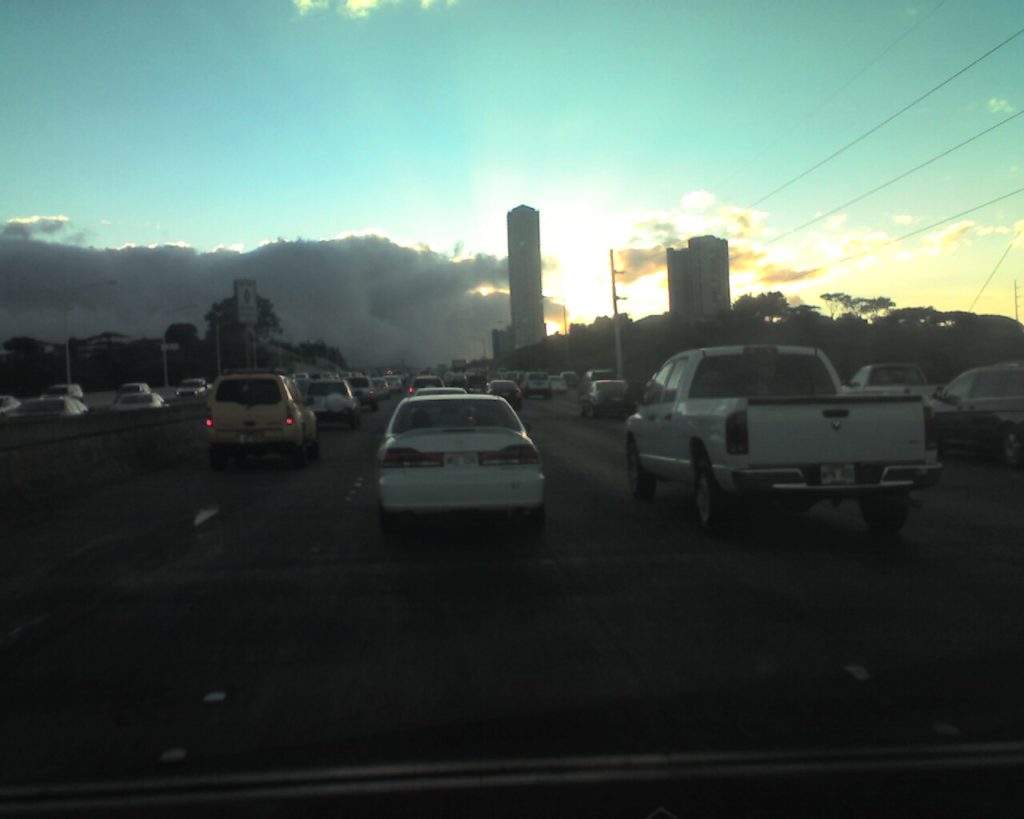
Morning by Ryan Ozawa is licensed under CC BY-NC-ND 2.0. Image may have been resized or cropped from original.
Real Estate, HOA Fees, and Home Maintenance
Hawaiʻi Kai is one of the more expensive residential areas on Oʻahu. The housing stock is a mix of single-family homes, townhouses, and high-rise condominiums. Single-family homes in the valleys generally start over one million dollars, while marina-front properties and ridge estates frequently command multi-million dollar prices.
For those looking for lower-maintenance options, the area features several prominent condominium complexes, such as Mount Terrace, Plaza Hawaiʻi Kai, and the low-rise townhomes of Gateway Peninsula. When purchasing property here, it is essential to factor in the cost of HOA fees in Hawaii, which can be substantial, especially for properties that include marina access, shared docks, or extensive security services. Additionally, all property owners within the boundary of the master plan must pay a modest annual fee to the Hawaii Kai Marina Association to fund the ongoing dredging and maintenance of the waterways.
Maintenance is another critical consideration. The proximity to the ocean means that salt air is a constant presence. Homeowners must be prepared for accelerated wear and tear on exterior paint, roofing, metal fixtures, and air conditioning units. Regular washing of your home’s exterior and investing in corrosion-resistant materials are necessary steps to protect your investment in this coastal environment.
Education and Schools in Hawaiʻi Kai
For families considering a move to the area, the public school system in Hawaiʻi Kai is a major selling point. The neighborhood is served by the Kaiser Complex, which includes several highly regarded elementary schools, Niu Valley Middle School, and Henry J. Kaiser High School.
Kaiser High School is notable for offering the International Baccalaureate (IB) program, a rigorous academic curriculum that is highly respected by colleges and universities on the Mainland and internationally. The strong reputation of these public schools allows many local families to save on private school tuition, which is a common and significant expense for families living closer to town.
Pros and Cons of Living in Hawaiʻi Kai
To help you evaluate whether this East Honolulu community aligns with your lifestyle and financial goals, here is a balanced look at the advantages and disadvantages of making the move to Hawaiʻi Kai.
The Pros
- Waterfront Lifestyle: The ability to keep a boat at your back dock or launch a kayak directly from your yard is a rare privilege on Oʻahu.
- Suburban Safety and Cleanliness: Well-lit streets, wide sidewalks, and manicured parks make this one of the family-friendliest areas on the island.
- Excellent Public Schools: The Kaiser school district is consistently ranked among the top public school complexes in the state.
- Convenient Retail: With Costco, Safeway, local boutiques, and dozens of restaurants right in the neighborhood, you rarely need to drive into town for errands.
- Outdoor Recreation: Proximity to Koko Head, Hanauma Bay, and Sandy Beach offers endless opportunities for hiking, swimming, and surfing.
The Cons
- The Commute Bottleneck: Reliance on Kalanianaʻole Highway means daily exposure to heavy morning and afternoon traffic.
- High Cost of Entry: Real estate prices are high, and buyers must also budget for marina fees, association dues, and high property taxes.
- Salt Air Maintenance: Constant exposure to trade winds and salt spray requires diligent and costly home maintenance.
- Lack of Nightlife: The community quiet down early. If you enjoy late-night dining, bars, or a bustling urban scene, you will find yourself driving into Honolulu frequently.
Is Hawaiʻi Kai Right for You?
Deciding where to settle on Oʻahu depends heavily on your daily routine, your budget, and how you want to spend your free time. If you value a clean, orderly neighborhood with excellent schools, easy access to water sports, and a strong sense of suburban community, Hawaiʻi Kai is difficult to beat. It offers a peaceful retreat from the high-energy environment of Waikīkī and downtown Honolulu, while still keeping those urban amenities within a reasonable driving distance.
However, if your daily work schedule requires a rigid nine-to-five commute to the city center, or if you prefer the lush, tropical rains of the windward side, you may want to expand your search. Taking the time to rent a car and drive the Kalanianaʻole Highway during morning rush hour is highly recommended for any prospective buyer. Experiencing the neighborhood firsthand is the best way to determine if the serene marina lifestyle of Hawaiʻi Kai is the perfect fit for your new life in the islands.