



Moving to Hawaii is a dream for many, but sometimes life circumstances change, and the island paradise no longer fits the bill. Perhaps the high cost of living has finally taken its toll, or maybe family obligations on the Mainland are calling you back. Whatever the reason, leaving Hawaii is a significant decision that comes with its own set of financial considerations. It’s not as simple as just booking a one-way ticket.
This guide will uncover the often-overlooked “hidden costs” of leaving Hawaii in 2026, helping you plan your departure with a clear understanding of the financial implications. We’ll delve into everything from shipping expenses and tax considerations to breaking leases and adjusting to a potentially different cost of living back on the Mainland.
The Obvious Costs: Shipping Your Belongings
The most significant and readily apparent cost of leaving Hawaii is shipping your belongings. Unless you’re selling everything and starting fresh, you’ll need to transport your furniture, personal items, and possibly even your car.
Understanding Shipping Options
You have several options for shipping:
- Ocean Freight: The most common and generally the most affordable option, but also the slowest. Your belongings are packed into a shipping container and transported by sea.
- Air Freight: Significantly faster but also much more expensive. This is a good option for essential items you need quickly.
- Partial Container Load (LCL): If you don’t have enough to fill a full container, you can share space with other shippers. This is typically more expensive per cubic foot than a full container.
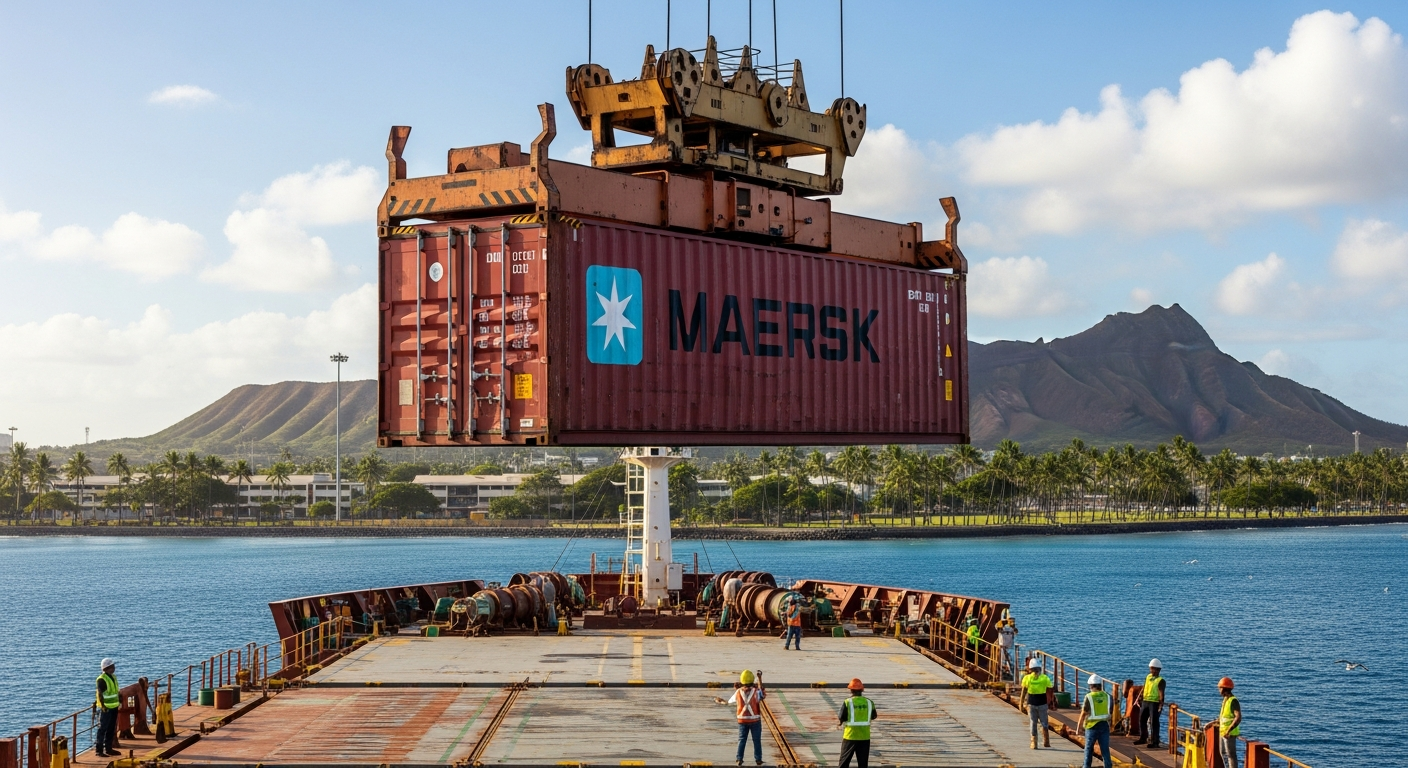

The Deep Dive on Shipping Costs
What: Shipping costs vary dramatically based on the volume of your goods, the destination, and the shipping method.
Why: The distance from Hawaii to the Mainland increases transportation costs significantly. Fuel surcharges, port fees, and the complexity of inter-island transfers all contribute to higher prices.
Insider Reality: Get multiple quotes from different shipping companies. Prices can vary widely, and some companies may have hidden fees. Be sure to ask about door-to-door service, packing options, and insurance. Also, consider selling off furniture and other bulky items. The cost to replace them on the Mainland might be less than the cost to ship them.
The Data: As of 2026, expect to pay anywhere from $5,000 to $15,000+ to ship a 20-foot container from Honolulu to Los Angeles, depending on the carrier and services included. Air freight can easily cost 5-10 times more. LCL shipments will vary greatly but budget $500-$1000 per cubic meter.
Shipping Your Car
Shipping a car from Hawaii presents unique challenges.
The What: Transporting your vehicle requires specialized handling and can be costly.
The Why: Cars must be secured and protected during ocean transport. Port fees and inspections add to the expense.
The Insider Reality: Shop around for quotes and consider the age and condition of your car. It might be cheaper to sell it in Hawaii and buy a new one on the Mainland, especially if your car is older or has high mileage.
The Data: Expect to pay between $1,500 and $3,000 to ship a car from Hawaii to the West Coast.
Pros & Cons of Shipping Your Belongings
Pros:
- Keeps your familiar possessions.
- Potentially cheaper than replacing everything.
- Sentimental value.
Cons:
- High cost.
- Potential for damage during shipping.
- Time-consuming process.
- Requires significant planning and organization.
The Hidden Costs: Beyond the Boxes
Beyond the obvious shipping expenses, several less apparent costs can significantly impact your budget when leaving Hawaii.
Tax Implications
Leaving Hawaii can trigger unexpected tax consequences.
The What: Hawaii has specific tax laws that may affect you when you move.
The Why: Residency status, income earned in Hawaii, and the sale of property can all trigger tax liabilities.
The Insider Reality: Consult with a tax professional who understands Hawaii tax laws. You may need to file a final Hawaii tax return and address any potential capital gains taxes from the sale of property. Be aware of residency rules; maintaining a residence in Hawaii could have tax implications even after you move.
The Data: Hawaii’s top income tax rate is around 11%. Capital gains taxes can vary depending on your income bracket.
Breaking a Lease
If you’re renting, breaking a lease can incur significant penalties.
The What: Terminating your lease early often results in financial repercussions.
The Why: Landlords have the right to recover lost rent when a tenant breaks a lease.
The Insider Reality: Review your lease agreement carefully to understand the terms for early termination. Negotiate with your landlord; they may be willing to waive penalties if you help them find a new tenant. Hawaii law requires landlords to make reasonable efforts to re-rent the property.
The Data: Lease break fees can range from one to two months’ rent or the remaining rent due on the lease.
Real Estate Considerations
Selling a home in Hawaii involves costs beyond the real estate commission.
The What: Selling property incurs expenses like closing costs, staging, and potential repairs.
The Why: These costs are necessary to attract buyers and ensure a smooth transaction.
The Insider Reality: Factor in these costs when determining your selling price. Consider staging your home to make it more appealing to buyers. Address any necessary repairs before listing the property.
The Data: Closing costs in Hawaii typically range from 1% to 3% of the sale price. Real estate commissions are usually 5% to 6%, split between the buyer’s and seller’s agents.

Adjusting to Mainland Cost of Living
While Hawaii is known for its high cost of living, some aspects might be cheaper on the Mainland.
The What: The cost of living varies significantly between Hawaii and different regions of the Mainland.
The Why: Factors like housing, transportation, and groceries contribute to these differences.
The Insider Reality: Research the cost of living in your destination city. While you might save on some expenses, others might be higher. For example, housing might be cheaper, but transportation costs could increase if you need a car.
The Data: Housing costs in Honolulu are significantly higher than the national average. However, groceries and utilities might be comparable to some major Mainland cities. Gas prices are almost always higher in Hawaii.
Loss of Job and Income
Moving can disrupt your employment and income stream.
The What: Finding a new job on the Mainland takes time and effort.
The Why: The job market varies by location and industry.
The Insider Reality: Start your job search before you move. Update your resume and network with contacts on the Mainland. Be prepared for a potential period of unemployment. Consider negotiating a severance package with your current employer if possible.
The Data: The average time to find a new job can range from a few weeks to several months.
Emotional and Psychological Costs
Leaving a familiar environment can take an emotional toll.
The What: Adjusting to a new culture and lifestyle can be challenging.
The Why: Homesickness, culture shock, and loss of social connections can impact mental well-being.
The Insider Reality: Stay connected with friends and family in Hawaii. Join local groups and activities in your new community. Be patient with yourself as you adjust to your new surroundings.
Pet Transportation
Moving your furry friends also comes with expenses.
The What: Transporting pets requires specific documentation, vaccinations, and potentially quarantine.
The Why: Hawaii has strict regulations to prevent the introduction of diseases.
The Insider Reality: Start the pet relocation process well in advance. Research the requirements for your destination state. Be prepared for potential quarantine periods.
The Data: Pet relocation costs can range from a few hundred to several thousand dollars, depending on the size and type of pet and the destination.

Pros & Cons of Leaving Hawaii
Pros:
- Potentially lower cost of living (depending on destination).
- Closer to family and friends on the Mainland.
- New opportunities and experiences.
- Different job market.
Cons:
- Significant moving expenses.
- Emotional distress of leaving a familiar environment.
- Potential for job loss or reduced income.
- Adjusting to a new culture and lifestyle.
- Missing the unique beauty and lifestyle of Hawaii.
Planning Your Exit Strategy
Leaving Hawaii requires careful planning and budgeting. By understanding the hidden costs involved, you can prepare financially and emotionally for a smoother transition.
Create a Detailed Budget
Itemize all anticipated expenses, including shipping, taxes, lease break fees, real estate costs, and living expenses on the Mainland.
Get Multiple Quotes
Shop around for the best prices on shipping, insurance, and other services.
Consult with Professionals
Seek advice from tax advisors, real estate agents, and financial planners.
Start Early
Begin planning your move well in advance to avoid last-minute surprises.
Be Flexible
Unexpected expenses can arise, so be prepared to adjust your budget as needed.
Leaving Hawaii is a major life change, but with careful planning and a realistic understanding of the costs involved, you can navigate the transition successfully. Remember to prioritize your financial well-being and emotional health throughout the process. Good luck with your next chapter!